
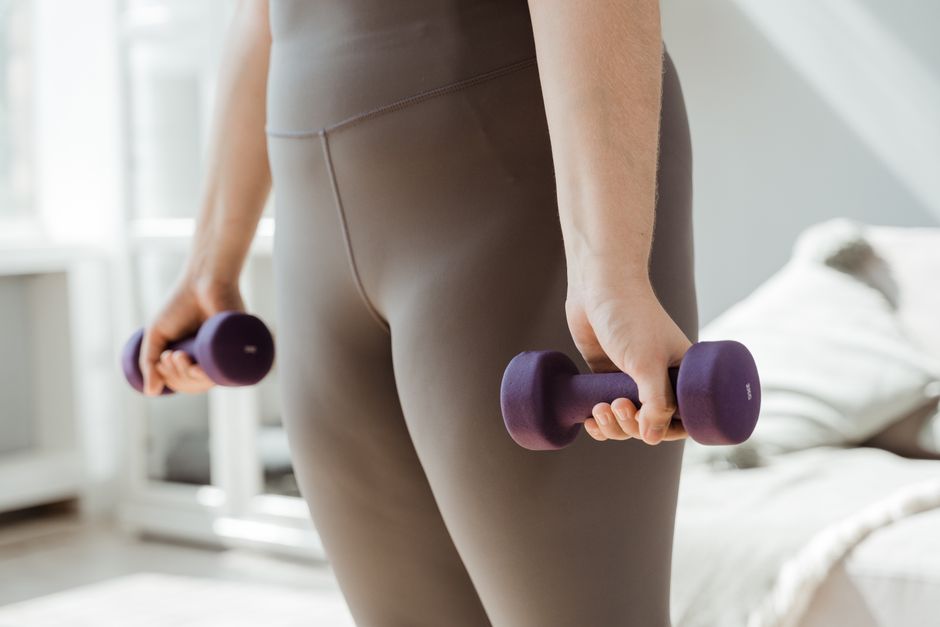
Jumpstart Weight Loss: Beginner’s Guide to Strength Training at Home
Are you ready to lose weight, get stronger, and transform your body—all from the comfort of home? Strength training isn’t just for athletes or gym enthusiasts. It’s a powerful, accessible tool for anyone aiming to shed pounds, boost metabolism, and achieve sustainable results. This comprehensive beginner’s guide will teach you exactly how to start strength training for weight loss right at home—no fancy equipment or steep learning curve required.
Why Strength Training for Weight Loss?
Strength training (also called resistance training or weight training) involves exercises that challenge your muscles by working against resistance—be it weights, resistance bands, or just your own body weight. While cardio often steals the spotlight for fat loss, research consistently shows that strength training is a weight loss game-changer. Here’s why:
- Increases Muscle Mass: More muscle boosts your resting metabolic rate, allowing you to burn more calories even at rest.
- Burns Calories After You’re Done: Strength training triggers the afterburn effect (EPOC), so you continue burning calories hours after your workout.
- Sculpts Your Physique: Lifting doesn’t just shed fat—it shapes, tones, and improves your body composition.
- Improves Functionality: Everyday activities become easier and injury risk decreases as strength builds.
- Empowers Long-Term Weight Loss: Consistent training is linked to greater weight maintenance and reduced body fat.
Scientific Proof: Strength Training for Fat Loss
Studies published in journals like Obesity and Medicine & Science in Sports & Exercise confirm that adding strength training to your exercise regimen can result in greater fat loss, better preservation of lean muscle, and improved metabolic health compared to cardio alone.
Can You Lose Weight with Strength Training at Home?

Absolutely! You don’t need a gym membership, racks of dumbbells, or special machines. With creativity and consistency, bodyweight movements, resistance bands, and simple household objects can become your best fitness tools.
| Home Strength Training | Gym Strength Training |
|---|---|
|
|
Getting Started: The Home Beginner Blueprint
Before diving in, take a moment to set yourself up for success. Here’s what you need to know for maximum results and safety:
What Equipment Do You Need?
- Your Body (bodyweight exercises are surprisingly effective!)
- Resistance Bands: Cheap, portable, and versatile
- Sturdy Chair or Bench: For step-ups, triceps dips, etc.
- Backpack with Books: Acts as a makeshift weight
- Water Bottles or Milk Jugs: Great for light resistance
- Yoga/Exercise Mat: Added comfort during floor exercises
Key Principles for Weight Loss Success
- Progressive Overload: Gradually increase resistance or reps over time
- Consistency: Aim for 2–4 sessions per week
- Intensity: Choose weights (or resistance) that challenge your muscles with the last few reps
- Recovery: Allow at least one day of rest between sessions for each muscle group
- Nutrition: Strength training without dietary attention can limit your weight loss results
Sample Weekly Strength Training Schedule for Beginners
| Day | Focus | Sample Exercises |
|---|---|---|
| Monday | Full Body | Squats, Push-ups, Rows, Plank |
| Wednesday | Upper Body | Shoulder Press, Triceps Dips, Bicep Curls, Superman |
| Friday | Lower Body + Core | Lunges, Glute Bridge, Calf Raises, Russian Twists |
Step-by-Step: How to Design Your Home Strength Routine

Let’s craft your own beginner routine with movement patterns that target all major muscle groups. All you need is 20–40 minutes, three days per week.
Major Muscle Groups to Target:
- Chest (push-up, chest press)
- Back (rows, reverse flys)
- Legs (squat, lunge, glute bridge)
- Shoulders (overhead press, lateral raise)
- Arms (biceps, triceps dips)
- Core (plank, crunches, mountain climbers)
Basic Home Strength Workout Template
- Start with a Dynamic Warm-Up (5–10 minutes): March in place, arm circles, hip openers, bodyweight squats
- Choose 5–7 Exercises: Aim to hit all major muscle groups; see sample workouts below
- Perform 2–3 Sets per Exercise: Rest 60–90 seconds between sets
- Aim for 8–15 Reps per Set: The last 2 reps should feel challenging, but doable with good form
- Cool Down and Stretch (5 minutes): Static stretches for the muscles worked
Beginner Strength Training Exercises for Weight Loss (No Equipment Needed)
| Exercise | Primary Muscles Worked | Technique Tips |
|---|---|---|
| Bodyweight Squat | Quads, Glutes, Core | Feet hip-width, push hips back, keep chest up |
| Push-Up (Knee or Full) | Chest, Shoulders, Triceps, Core | Elbows at 45°, keep a straight body line |
| Reverse Lunge | Glutes, Hamstrings, Quads | Step back, lower knee gently, keep chest up |
| Glute Bridge | Glutes, Hamstrings, Core | Drive through heels, squeeze glutes at top |
| Row (with Band or Towel) | Back, Biceps | Keep elbows close, squeeze shoulder blades |
| Plank | Core, Shoulders | Maintain a straight line, brace abs |
| Triceps Dip (on Chair) | Triceps, Shoulders | Lower with control, elbows point back |
Sample Full-Body Home Strength Workout
- Bodyweight Squat – 3 sets of 12 reps
- Push-Up (knee or full) – 3 sets of 10 reps
- Reverse Lunge – 3 sets of 10 reps per leg
- Row with Towel/Band – 3 sets of 12 reps
- Glute Bridge – 3 sets of 15 reps
- Plank – 3 sets of 20 seconds
Modify your reps or rest as needed! As you get stronger, increase your reps, sets, or add a backpack for extra resistance.
How Many Calories Does Strength Training Burn?
While strength training’s calorie burn per session is generally lower than fast-paced cardio, its true power is in body composition and metabolism change. A half-hour moderate session burns roughly 90–180 calories, depending on body size and exercise intensity. The elevated post-exercise metabolism increases your daily calorie burn beyond your workout time.
| Bodyweight (lbs) | Calorie Burn |
|---|---|
| 125 | 90–120 |
| 155 | 112–144 |
| 185 | 133–178 |
With greater muscle mass, your body burns more calories around the clock, making it easier to maintain (and accelerate) weight loss over the months ahead.
The Pros and Cons of Strength Training for Weight Loss at Home
| Pros | Cons |
|---|---|
|
|
Biggest Beginner Mistakes and How to Avoid Them
- Skipping the Warm-Up: Not preparing your muscles increases injury risk. Spend at least 5 minutes on dynamic movement.
- Doing Too Much, Too Soon: More isn’t always better. Gradually increase the number of sets/reps.
- Poor Form: Sacrificing technique to squeeze out more reps is counterproductive. Prioritize quality over quantity!
- Neglecting Recovery: Muscles need time to repair and grow stronger. Fit rest days into your routine.
- Not Tracking Progress: Without tracking, it’s tough to see gains or notice plateaus. Use a notebook/app to log sets, reps, and resistance.
- Only Focusing on Strength: Pair with light cardio (walking, cycling) and address nutrition for optimal weight loss.
Advanced Tips: Level Up Your Strength Training at Home
Once you master the basics, try these methods to keep progressing and kick your fat loss into overdrive:
- Manipulate Tempo: Slow down the lowering phase of each rep for greater muscle stress (e.g., 3 seconds down, 1 second up)
- Circuit Training: Perform exercises back-to-back with little or no rest; keeps your heart rate high for added calorie burn
- Increase Resistance: Wear a weighted backpack, use household items, or invest in adjustable dumbbells/resistance bands
- Try One-Sided (Unilateral) Moves: Single-leg squats, single-arm presses demand more core activation and stability
- Change Your Grip or Stance: Adjusting hand/foot position targets new muscles and deepens strength
- Track Personal Records: Set goals for reps, time under tension, or total sets each week
Nutrition: Making Strength Training Work for Fat Loss
Exercise alone rarely delivers the full weight loss benefits. The magic happens when you combine strength training with calorie awareness and high-protein meals. Follow these basic principles:
- Maintain a Modest Calorie Deficit: Eat about 300–500 calories less than your daily maintenance for steady, sustainable fat loss.
- Prioritize Protein: Aim for 0.7–1.0 grams of protein per pound of body weight daily to maximize muscle retention while dieting. Examples: eggs, yogurt, legumes, fish, chicken, tofu.
- Opt for Whole Foods: Fill your plate with fruits, vegetables, whole grains, and healthy fats. Minimize processed and sugary snacks.
- Hydrate: Drink at least 2 liters of water per day. Hydration supports energy, muscle function, and appetite control.
FAQs: Strength Training for Weight Loss at Home (Beginners)
How long until I see results from strength training at home?
With consistent training (2–4 times per week) and good nutrition, beginners can typically see increased strength and muscle tone within three to four weeks. Visible fat loss and body shape changes may take 6–10 weeks, depending on your starting point and commitment.
Can I combine strength training and cardio?
Yes! Many people benefit from mixing the two. Strength training builds muscle and boosts metabolism, while cardio burns extra calories. Try 2–4 strength sessions and 2–3 short cardio sessions (walking, jogging, cycling) per week for optimal health and fat loss.
What if I can’t do a full push-up or other “tough” exercise?
Modify! Start with wall push-ups, knee push-ups, or elevated push-ups on a countertop. Every exercise has beginner-friendly variations. Progress comes from gradually increasing difficulty.
How do I make my workouts harder over time?
Progressive overload! Add reps, sets, reduce rest, increase resistance (e.g., weighted backpack), or slow down the tempo. Change one variable at a time to keep progressing safely.
What’s more effective for fat loss: light weights/high reps or heavy weights/low reps?
Both approaches can work when combined with a calorie deficit. Higher reps with light weight can build muscle endurance, while heavier loads build strength and maintain muscle mass. For beginners, focus on moderate resistance and perfect form—then gradually increase intensity.
Will strength training make me “bulky”?
No. Building significant muscle bulk requires years of specific, heavy training and a calorie surplus. For most people—especially women—home strength training will create a toned, leaner look as body fat decreases and muscles grow stronger.
How important is rest and recovery?
Vital! Muscles repair and get stronger during rest, not while training. Aim for at least one full day off between sessions targeting the same muscle group. Sleep 7–9 hours nightly to maximize results.
Can I lose weight just by strength training without changing what I eat?
While strength training helps preserve muscle and increases daily calorie burn, weight loss ultimately requires a calorie deficit. Pair your workouts with mindful eating for the best results.
Action Plan: Your First 4 Weeks of Home Strength Training for Weight Loss
Ready to take action? Here’s how to jumpstart your journey:
Week 1–2:
- Pick 5–6 basic bodyweight exercises (see above)
- Perform 2–3 rounds, 8–15 reps each, 2–3 days per week
- Add light cardio (brisk walk, jog) two days per week
- Focus on learning proper form and building workout consistency
Week 3–4:
- Add 1 extra set per exercise if you feel confident
- Increase reps, decrease rest time, or add a backpack with books for resistance
- Try a new variation for each exercise to challenge your muscles
- Track your workouts and jot down what improves each week
Stay Motivated: Tips for Sticking with Your Routine
- Set Small, Achievable Goals: “This week, I’ll complete all my scheduled workouts.”
- Find an Accountability Partner: Share goals or progress with a friend (even virtually!)
- Celebrate Non-Scale Victories: Better sleep, boosted energy, stronger body
- Mix It Up: Try new exercises or routines every few weeks to keep things fresh
- Remember Why You Started: Write down your reasons for wanting to get stronger and healthier
Conclusion: Your Stronger, Leaner Self Starts Now
Strength training at home is one of the most empowering, sustainable ways to achieve your weight loss and fitness goals. You don’t need fancy equipment or a gym pass—just a little knowledge, a sprinkle of discipline, and the willingness to show up for yourself.
As a beginner, progress may feel slow at first, but every squat, push-up, and plank brings you closer to a healthier, more confident you. Pair your workouts with mindful nutrition, embrace consistency, and don’t be afraid to modify or adapt as needed. Over time, you’ll discover your greatest strength isn’t just physical—it’s in your commitment and self-belief.
Take the first step today. Your future self is cheering you on.
```


0 Comments