

10-Min Beginner Morning Stretch Routine for Flexibility & Energy
Feeling stiff in the morning? Struggling to shake off grogginess? A consistent morning stretch routine can transform the way you wake up, improving flexibility, circulation, and energy in just 10 minutes a day. This beginner-friendly routine is designed for all fitness levels, guiding you through safe, simple stretches perfect for home, travel, or even the office.
Why Morning Stretching Matters
Stretching first thing in the morning isn’t just about touching your toes. It’s a powerful tool for boosting your body and mind, setting a positive tone for the rest of your day. Let’s explore the science-backed benefits of daily morning stretching:
- Increases Flexibility: Regular stretching improves muscle and joint mobility, making daily movements easier.
- Boosts Energy: Gets your blood flowing, delivers fresh oxygen to muscles, and awakens your senses.
- Reduces Muscle Stiffness: Eases the tightness that accumulates overnight, especially in the back, neck, and legs.
- Enhances Posture: Balances muscle tension, which can help correct posture – particularly helpful for desk workers.
- Supports Mental Wellness: The mindful aspect of stretching helps reduce stress and primes your mind for productivity.
10-Min Beginner Morning Stretch Routine Overview
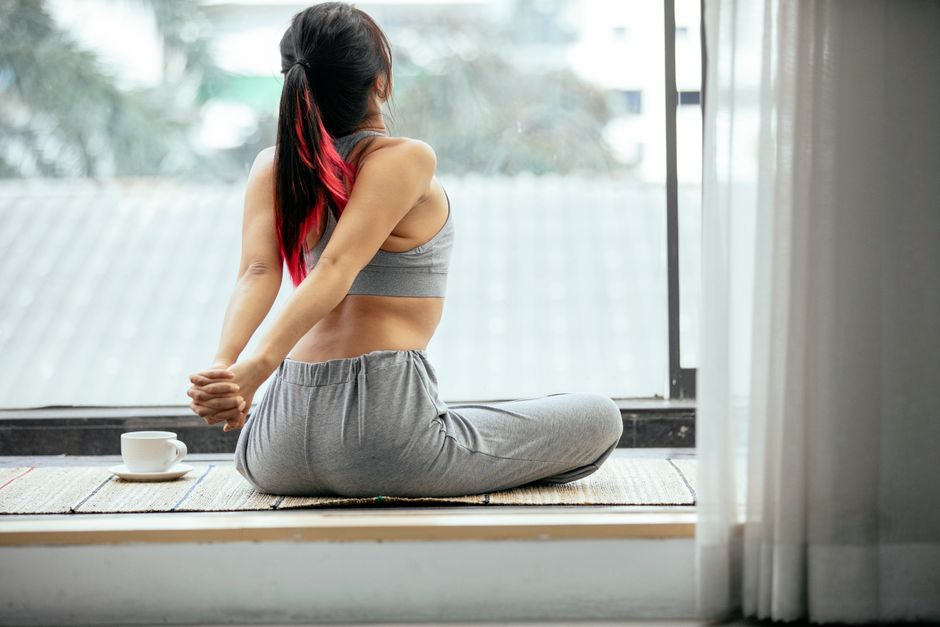
This routine covers all major muscle groups, requiring no equipment or prior experience. Each stretch gently wakes up your body, preparing you for an active day ahead. To make it easy, here’s a table summarizing the sequence:
| Stretch Name | Target Area | Duration | Description |
|---|---|---|---|
| Neck Rolls | Neck | 30 seconds | Relieves neck stiffness, improves mobility |
| Shoulder Circles | Shoulders | 30 seconds | Opens shoulder joints, releases tension |
| Cat-Cow Stretch | Spine, Back | 1 minute | Mobilizes spine, wakes up back muscles |
| Child’s Pose | Back, Hips | 1 minute | Gentle stretch for low back and hips |
| Standing Side Stretch | Sides, Arms | 1 minute | Elongates side body, opens ribcage |
| Standing Forward Fold | Hamstrings, Back | 1 minute | Stretches back and legs, boosts circulation |
| Lunge with Arm Reach | Hip Flexors, Upper Body | 2 minutes | Opens hips, stretches arms and back |
| Seated Spinal Twist | Spine, Back | 1 minute | Increases spinal rotation, aids digestion |
| Butterfly Stretch | Inner Thighs, Hips | 1 minute | Opens hips and groin |
| Downward Dog | Full Body | 1 minute | Engages back, legs, arms for full-body stretch |
Routine Structure
- Total Time: ~10 minutes
- Equipment Needed: None (yoga mat optional)
- Best For: Beginners, all ages, people seeking gentle flexibility
Step-by-Step Guide: Your Beginner Morning Stretch Routine
1. Neck Rolls (30 seconds)
- Stand or sit comfortably, relax your arms at your sides.
- Gently drop your chin towards your chest.
- Begin to roll your neck slowly to the right, making a full, gentle circle.
- Repeat 3-4 times, then switch and roll to the left.
- Keep movements slow and fluid; avoid straining or forcing your neck past its comfort zone.
Tip: Focus on your breath – inhale slowly as your head goes up, exhale as it comes down.
2. Shoulder Circles (30 seconds)
- Stand tall, arms hanging loosely at your sides.
- Lift your shoulders up towards your ears, then roll them backward in a circular motion.
- Complete 8-10 circles backward, then reverse: roll them forward for another 8-10 circles.
Tip: Keep your neck relaxed and jaw unclenched.
3. Cat-Cow Stretch (1 minute)
- Come onto all fours on a mat (wrists under shoulders, knees under hips).
- Inhale, arch your spine, lift your chest and tailbone toward the ceiling (“Cow” Pose).
- Exhale, round your spine, tuck your chin to your chest, and pull your belly button up (“Cat” Pose).
- Repeat slowly for 45-60 seconds, moving with your breath.
Tip: If your wrists are sore, make fists or use a soft towel for support.
4. Child’s Pose (1 minute)
- From all fours, spread your knees apart, bring your big toes together.
- Sit your hips back towards your heels, stretch your arms forward on the floor.
- Rest your forehead on the mat and breathe deeply for 1 minute.
Modification: Place a pillow under your chest or forehead for extra support.
5. Standing Side Stretch (1 minute)
- Stand with feet hip-width apart.
- Reach both arms overhead, interlace your fingers (palms facing up).
- Lean gently to the right, feeling a stretch along the side of your body.
- Hold for 30 seconds. Switch to the left side for another 30 seconds.
Tip: Don’t lean forward or backward—keep your core engaged and shoulders down.
6. Standing Forward Fold (1 minute)
- Stand tall. Exhale, hinge at the hips and fold forward towards your toes.
- Let your head and arms dangle. Bend your knees as much as needed for comfort.
- Hold for 1 minute, gently sway side to side if that feels good.
Modification: Rest your hands on your shins or a chair for support if needed.
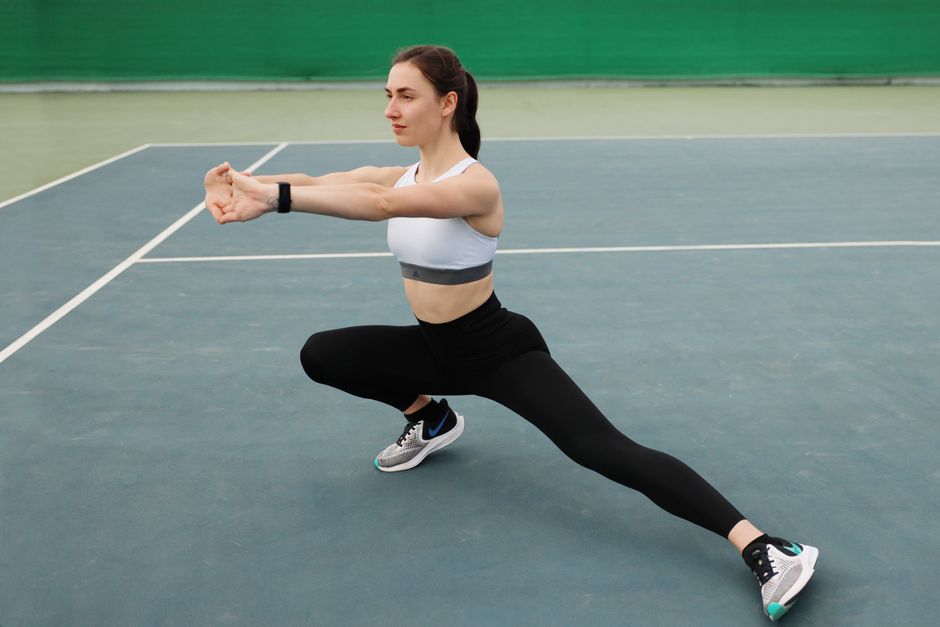
7. Lunge with Arm Reach (2 minutes)
- Step your right foot forward into a lunge, left knee down.
- Raise your arms overhead, lengthening your spine and opening your chest.
- Hold for 1 minute, feeling the stretch in your left hip flexor.
- Switch legs, repeat on the other side.
Tip: Keep your front knee over your ankle, not pushed far forward.
8. Seated Spinal Twist (1 minute)
- Sit on the floor, legs extended in front of you.
- Bend your right knee, place your right foot outside your left thigh.
- Place right hand behind you, left arm on the outside of your right knee.
- Inhale, lengthen your spine. Exhale, twist gently to the right. Hold for 30 seconds.
- Switch sides and repeat.
Modification: Keep the extended leg bent if your hamstrings are tight.
9. Butterfly Stretch (1 minute)
- Sit with the soles of your feet together, knees bent out to the sides.
- Hold your feet or ankles, gently press your knees towards the floor.
- Sit tall and hold for 1 minute, breathing deeply.
Tip: Don’t force your knees; allow gravity to gently open your hips.
10. Downward Dog (1 minute)
- Start on all fours. Tuck your toes and lift your hips toward the sky.
- Straighten arms and legs as much as comfortable, forming an upside-down “V.”
- Let your head hang between your arms. Hold and breathe for 1 minute.
- Bend your knees if your hamstrings feel tight.
Modification: Hold for 30 seconds, rest, then repeat if shoulders or wrists fatigue.
Common Beginner Mistakes to Avoid
- Bouncing During Stretches: Never bounce or jerk; this can strain muscles. Always move slowly and smoothly.
- Holding Your Breath: Remember to breathe deeply and regularly during each stretch.
- Pushing Past Pain: Discomfort is okay, but sharp or intense pain is a warning sign. Ease out immediately if it hurts.
- Neglecting Warm-up: Although gentle, even stretching can benefit from a light warm-up—march in place or do arm swings if you’re very stiff.
- Skipping Stretch Variety: Stretching only one muscle group isn’t enough. A full body routine wakes up all parts of the body.
Pros & Cons of Morning Stretch Routines
| Pros | Cons |
|---|---|
|
|
Advanced Tips: Make the Most of Your Morning Stretch
- Add Breathwork: Incorporate slow, deep breaths—inhale through your nose, exhale through your mouth—to enhance relaxation and circulation.
- Stay Consistent: Track your progress in a journal or on your phone. Consistency is key for improved flexibility.
- Combine With Hydration: Drink a glass of water before or after your routine to jumpstart hydration and metabolism.
- Progress Gradually: As you advance, hold each stretch a little longer or repeat the routine twice for extra flexibility benefits.
- Add Gentle Core Engagement: During certain poses (like standing side stretch or downward dog), gently pull your belly button towards your spine for stability.
- Personalize Your Playlist: Add calming or energizing music to enhance the experience based on your morning mood.
Frequently Asked Questions (FAQ)
How long should my morning stretching routine be?
For beginners, 10 minutes is ideal—long enough to target key muscle groups without feeling overwhelming. If you enjoy it, you can gradually extend your session.
Can I stretch if I’m not flexible?
Absolutely! Flexibility is not a prerequisite—it’s the result of regular stretching. Start gently, modify as needed, and your range of motion will improve over time.
Is it better to stretch in the morning or evening?
Both have benefits. Morning stretching wakes you up and increases energy, while evening stretching helps relax and wind down. Choose what fits your routine—or do both for maximum benefits.
Should I stretch every day?
Daily stretching is safe for most people and recommended for increased flexibility and energy. Listen to your body and skip a day if muscles feel sore or fatigued.
What should I do if a stretch hurts?
Sharp or intense pain indicates you’ve gone too far. Ease out of the stretch immediately and avoid pushing beyond your current range of motion.
Do I need to warm up before stretching in the morning?
If you feel especially stiff, gentle movements like a brisk walk around the room or 30 seconds of marching in place can help warm up your body before deeper stretches.
Helpful Content: Morning Stretching for Different Needs
Desk Workers
- Focus on neck, shoulder, and spinal stretches to counteract hours of sitting.
- Try doing a shorter 2-3 minute variation between work tasks to stay loose.
Older Adults
- Modify stretches to avoid discomfort—use chairs or cushions for support.
- Emphasize balance work (like standing side stretches) to aid stability.
Busy Schedules
- If you’re short on time, pick 3-4 key stretches from the routine or split the session into morning and evening.
Tracking Your Progress
- Record how you feel before and after the routine each day.
- Notice increased flexibility, lower tension, and improved mood after a few weeks of consistency!
- Snap occasional progress photos (gentle forward folds, for example) to notice small mobility gains.
Conclusion: Transform Your Mornings in 10 Minutes
Embracing a beginner morning stretching routine is one of the simplest, healthiest habits you can start—no special gear, gym membership, or major time commitment needed. In just 10 minutes, you can boost flexibility, wake up your muscles, improve your focus, and set the tone for a positive, productive day.
Remember, it’s not about how far you can stretch, but how consistently you show up for yourself. Over time, the rewards—increased mobility, better posture, reduced stress, and ongoing energy—will speak for themselves.
Start tomorrow morning. Your body and mind will thank you!



0 Comments