
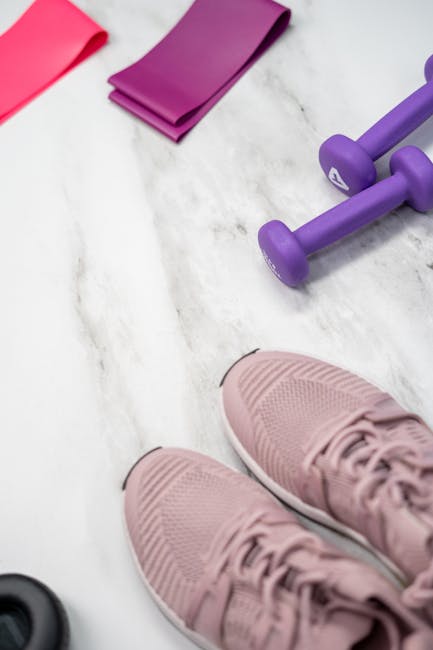
Beginner Home Routine: Walk & Strength Train for Weight Loss
Looking to lose weight from the comfort of your own home without investing in expensive equipment? Combining walking and strength training into a hybrid routine is one of the most beginner-friendly and effective approaches to kickstart your weight loss, boost your metabolism, and build whole-body health. In this comprehensive guide, you’ll learn precisely how to set up a simple but powerful walking and strength routine at home — complete with weekly plans, pro tips, common mistakes, and everything you need to succeed.
Why Choose a Walking and Strength Training Hybrid Routine?
Walking is one of the easiest ways to start exercising, yet it’s incredibly effective for burning calories, boosting mood, and improving heart health. When you blend walking with strength training, you ramp up your fat-burning engine, build lean muscle, and create a powerful weight loss routine — all adaptable for every fitness level.
Top Benefits of a Hybrid Walking & Strength Training Approach
- Weight Loss: Combination increases daily calorie burn and muscle mass, both critical for shedding fat.
- Improved Metabolism: Muscle is metabolically active tissue; the more you have, the more calories you burn even at rest.
- Accessibility: No gym memberships or fancy equipment required; you can do it all at home.
- Mental Health Boost: Walking improves mood and reduces stress, while strength training builds confidence.
- Sustainability: Low risk of injury and high flexibility, making it great for lifelong fitness habits.
How Walking and Strength Training Work for Weight Loss

Understanding how these two workouts complement each other will help maximize your results.
Walking: Steady Calorie Burn and Fat Loss
- Low Impact: Suitable for all ages and fitness levels.
- Cardiovascular Benefits: Increases heart rate, burns calories, and improves endurance.
- Sustainable: Can be scaled up as you get fitter.
Strength Training: Muscle Building for a Higher Metabolism
- Muscle Gain: Bodyweight exercises (like squats, push-ups) build strength and muscle tone.
- Afterburn Effect: Your body burns more calories after strength workouts due to recovery needs.
- Fat Burning: Muscle tissue requires more calories to maintain, helping with long-term weight management.
Setting Up Your Home Walking and Strength Routine
Consistency is key—but so is simplicity. Here’s a step-by-step breakdown to start seamlessly:
1. Define Your Goals
- Do you want to lose a specific amount of weight?
- Are you looking to improve general health and energy?
- Is building muscle and strength a focus?
Get clear on your motivation—it helps keep you committed!
2. Assess Your Current Fitness Level
- How active are you currently?
- Can you comfortably walk 10–20 minutes?
- Have you done any strength training before?
It’s okay if you’re starting from zero. This routine will help you progress safely.
3. Plan Your Weekly Hybrid Schedule
Even beginners can see huge benefits with just 3–5 days a week. Here’s a sample schedule:
| Day | Walking | Strength Training | Total Time |
|---|---|---|---|
| Monday | 20-30 min brisk walk | Full-body (20 min) | 40-50 min |
| Tuesday | Rest, or easy 15-20 min walk | Core focus (10-15 min) | 15-35 min |
| Wednesday | 20-30 min interval walk | Lower body (15 min) | 35-45 min |
| Thursday | Rest/easy walk | Upper body (10-15 min) | 15-35 min |
| Friday | 20-40 min brisk walk | Full-body (20 min) | 40-60 min |
| Saturday | Rest or leisure walk | Rest | 15-30 min (optional) |
| Sunday | Active rest (stretching, yoga, or light walk) | Rest | 15-20 min (optional) |
4. Prepare Your Home Space
- Clear a safe area for movement (living room, bedroom, patio).
- No equipment? No problem! You’ll use bodyweight for strength work.
- Get a good pair of supportive shoes for walking.
- Optional: yoga mat, resistance bands, water bottle.
5. Track Your Progress
- Keep a simple workout log (dates, times, exercises, steps walked).
- Celebrate milestones: first 5,000 steps, consistent week, new strength exercise, etc.
Beginner-Friendly Home Walking Methods

You don’t need a treadmill. Try these beginner-friendly walking strategies at home:
- Indoor Step Walking: Walk briskly around your home, up and down hallways or rooms. Set a timer or use a pedometer app.
- Marching in Place: Stand tall and march, lifting your knees high. Great option during TV time!
- Stairs Walking: If available, step up and down your home’s stairs at a comfortable pace.
- Outdoor Walking: If you have a safe outdoor area, a walk around your condo complex, yard, or neighborhood counts.
Home Strength Training: Total Body with Zero Equipment
Focus on foundational moves that use your own body weight. Here’s a basic routine:
Essential Bodyweight Strength Exercises
- Squats: Targets thighs, butt, and core.
- Push-Ups (Standard or Knee): Works chest, arms, and shoulders.
- Glute Bridges: Strengthens hips and hamstrings, helps with posture.
- Wall Sits: Builds stamina and lower body strength.
- Standing Calf Raises: Works calves and improves balance.
- Supermans: Strengthens back and glutes.
- Plank (Standard or Knee): Core stability move, essential for all fitness levels.
Sample Beginner Strength Circuit (20 Minutes)
- Bodyweight Squats – 10-15 reps
- Push-Ups (on knees if needed) – 8-12 reps
- Glute Bridges – 10-15 reps
- Standing Calf Raises – 15-20 reps
- Supermans – 10 reps
- Wall Sit – 20-30 seconds
- Plank Hold – 15-30 seconds
Complete each exercise in sequence, rest for 1-2 minutes after one round. Aim for 2-3 rounds. Adjust reps or rounds based on your ability.
Walking and Strength Training Hybrid: Weekly Progression Plan
To keep progressing and avoid plateaus, regularly (but gently) increase the challenge. Here’s a simple plan:
| Week | Walking (per session) | Strength Circuit |
|---|---|---|
| 1 | 15-20 min | 1-2 rounds |
| 2 | 20-25 min | 2 rounds |
| 3 | 25-30 min | 2-3 rounds |
| 4 | 30+ min, add intervals (fast/slow walk) | 3 rounds |
What if You Miss a Day?
Don’t panic! Just resume as soon as possible. Consistency, not perfection, is what matters most for long-term success.
Nutrition: Maximizing Results From Your Hybrid Routine
Physical activity is only part of the equation — your eating habits play a vital role in weight loss. Here are tips to pair healthy nutrition with your exercise routine:
- Eat in a Calorie Deficit: Burn more calories than you consume, but don’t starve yourself. Use a calorie tracker if desired.
- Prioritize Protein: Protein supports muscle recovery and helps you feel full longer (e.g., eggs, chicken, tofu, Greek yogurt, beans).
- Fill Up on Fiber: Vegetables, fruits, and whole grains keep you satisfied and support digestion.
- Hydrate Well: Drink plenty of water, especially on your walking days.
- Avoid Processed Foods: Limit added sugar, refined grains, and fast food.
Common Beginner Mistakes (And How to Avoid Them)
Everyone makes mistakes in the beginning. Here are the most common ones for a walking and strength hybrid routine — and expert tips for preventing them:
- Doing Too Much, Too Soon: Rapid increases in exercise can cause burnout, aches, or injury. Start easy, build up gradually.
- Skipping Warm-Ups and Cool-Downs: This raises injury risk. Always include 3-5 minutes of easy movement before and after workouts.
- Poor Walking Posture: Slouching or looking down can cause discomfort. Stand tall, look ahead, swing your arms gently.
- Neglecting Form During Strength Moves: Fast, sloppy reps can hurt you. Focus on slow, controlled movement and good form first.
- Ignoring Rest: More isn’t always better. Rest days help your muscles recover and grow.
- Unrealistic Expectations: Weight loss may take weeks to show. Track non-scale wins too (energy, measurements, mood).
Pros and Cons of Walking & Strength Training Hybrid Routines at Home
| Pros | Cons |
|---|---|
|
|
Advanced Tips: Taking Your Routine to the Next Level
Once you feel comfortable with the basics, here’s how to continue progressing:
- Add Walking Intervals: Alternate 1-2 minutes of brisk/fast walking with 2 minutes easy walking to increase calorie burn.
- Increase Strength Training Intensity: Try more advanced versions of moves (full push-ups, single-leg squats).
- Add Resistance Bands: Inexpensive, portable bands add extra challenge to bodyweight moves.
- Use Weighted Objects: Household items (water bottles, canned goods) can be used for added resistance.
- Try Circuit Training: Move quickly from one exercise to the next with minimal rest to elevate your heart rate.
- Track Steps: Aim for 7,000–10,000 steps a day for added calorie burn. Use a pedometer or smartphone app.
- Include Mobility Work: Yoga, stretching, and mobility drills keep your joints healthy and boost recovery.
Frequently Asked Questions
How much weight can I lose with this hybrid routine?
Healthy, sustainable weight loss averages 0.5–2 pounds per week. Actual results depend on your starting weight, effort, consistency, and nutrition.
How soon will I see results?
Many beginners notice more energy, better mood, and increased stamina in just 1–2 weeks. Visible body changes (smaller waist, muscles) typically appear after 3–6 weeks when you stick to the plan.
Is it okay to walk every day and strength train every other day?
Yes! Daily walking is safe and healthy for most people. If you’re new to strength training, aim for 2–3 days a week and rest between sessions to recover.
Do I need to buy weights or join a gym?
Not at all. Bodyweight exercises — with or without inexpensive resistance bands — are highly effective for beginners and can be done anywhere, anytime.
What if I have joint pain or old injuries?
Always consult a healthcare provider before starting any exercise routine. Focus on low-impact moves, listen to your body, and omit or modify any exercise that causes pain.
How do I stay motivated at home?
- Create a dedicated workout space if possible.
- Set appointments/calendar reminders for workouts.
- Track your progress with a journal or app.
- Reward consistency (new gear, healthy treat).
- Join online fitness communities or social media groups for support.
Summary: Your Blueprint for Fat Loss Success at Home
Walking and strength training are the perfect beginner home fitness combo for weight loss and lifelong health. Start small, stay consistent, and let yourself evolve: as you get stronger, build up intensity and variety. Keep your eating habits supportive but realistic, and focus on building a sustainable routine — not perfection.
Remember: results come from doing the basics well, over and over. Your perfect body transformation tool won’t be expensive equipment or trendy supplements – it’s your commitment, resilience, and willingness to keep putting one foot (and squat!) in front of the other. Lace up, make space, and start your walking and strength training hybrid journey today!
Need More Help? Resources for Your Journey
- Beginner Workout Videos: Search YouTube for “home beginner bodyweight workout” and “indoor walking workout.”
- Fitness Apps: Try “MyFitnessPal” for food tracking or “Pacer”/“StepsApp” for step counting.
- Supportive Communities: Reddit’s r/loseit and r/bodyweightfitness offer tons of encouragement and ideas.
- Professional Guidance: Consider telehealth sessions with a personal trainer or nutritionist if you want extra personalized support.
Now, step forward into a healthier, stronger you!
```


0 Comments