
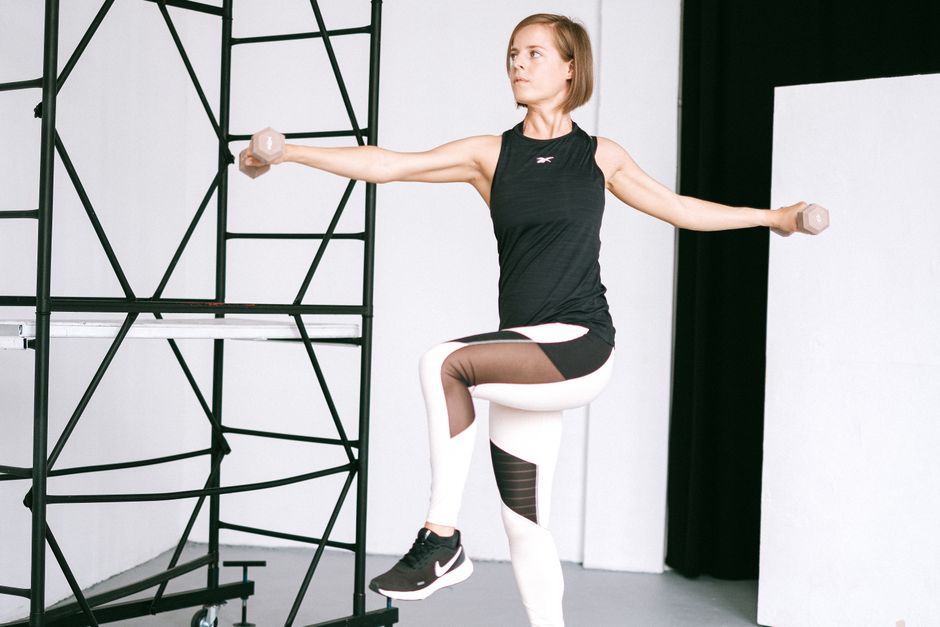
Beginner Standing Ab Workout at Home for Core Strength & Fat Loss
Are you looking to strengthen your core, lose belly fat, and boost your confidence—all from the comfort of your own home? Traditional crunches and floor-based ab exercises aren't for everyone. If you want an effective and practical solution, standing ab workouts for beginners could be your perfect starting point. This in-depth guide will teach you how to safely and effectively build core strength, improve stability, and aid fat loss with a beginner-friendly standing ab routine you can do almost anywhere.
Why Choose a Standing Ab Workout?
Standing ab workouts are increasingly popular because they're efficient, practical, and easy on the back and knees. They offer important advantages, especially for those new to fitness or limited by mobility concerns.
Benefits of Standing Ab Workouts
- No equipment required – Use just your bodyweight and household space.
- Gentle on the spine – Unlike floor crunches, standing moves support your lower back.
- Activates more muscle groups – Enhances calorie burn and stability through full-body engagement.
- Improves balance and coordination – Essential for functional fitness and daily movements.
- Burns more calories – Standing increases heart rate and metabolism compared to lying down.
- Convenient and time-saving – No fancy gear or mats necessary. Can be done anywhere—a living room, office, or hotel room!
The Role of Core Strength in Weight Loss & Overall Health
Your core muscles include the abdominals, obliques, lower back, hips, and glutes. Core strength is crucial for:
- Better posture and spinal alignment
- Injury prevention, especially in the lower back
- Improved sports and exercise performance
- Efficient daily movements, such as lifting or bending
- Boosted metabolism and fat-burning potential
While no exercise can spot-reduce belly fat by itself, building core muscle and combining exercise with sound nutrition is a powerful strategy for overall fat loss and a flatter midsection.
How Standing Ab Workouts Help Burn Fat
Standing ab exercises are compound movements—this means they work multiple muscles at once. As a result, you burn more calories than with isolated, floor-based exercises. When you pair consistent standing ab routines with a calorie-controlled diet, you create a calorie deficit, which is essential for weight loss.
Understanding the Science
- Standing movements raise your heart rate, turning ab work into a mild cardio session.
- Building muscle increases your resting metabolism, so you burn more calories even at rest.
- Consistent physical activity helps mobilize stored body fat for energy.
Table: Comparison – Standing vs. Floor Ab Workouts
| Feature | Standing Ab Exercises | Floor Ab Exercises |
|---|---|---|
| Spinal Comfort | Gentle on lower back | May strain neck/spine |
| Equipment Needed | None (bodyweight only) | None or mat suggested |
| Muscles Engaged | Full body, stabilizers, core | Mainly abs, hip flexors |
| Calorie Burn | Higher (cardio effect) | Lower |
| Accessibility | Easy for beginners/seniors | May be hard for some |
Beginner Standing Ab Workout Routine: Step-by-Step

Ready to get started? Here’s a simple, effective routine you can follow at home—all you need is comfortable clothing and a bit of open floor space.
Warm-Up (3–5 Minutes)
- March or jog in place (1 minute)
- Arm circles and torso twists (1 minute)
- Knee hugs and ankle taps (1 minute)
This will get your blood flowing, warm up your muscles, and prepare your core for safe, effective exercise.
Main Standing Ab Circuit
Perform each exercise for 30–40 seconds, resting 15–20 seconds between moves. Complete 2–3 rounds as your fitness improves. Total workout time: 10–18 minutes.
1. Standing Elbow-to-Knee Crunch
- Stand tall, hands behind your head.
- Lift your right knee as you bring your left elbow down towards it, crunching your obliques.
- Return to start and repeat on the other side.
- Focus: Keep your core engaged and avoid pulling on your neck.
2. Standing Side Crunch
- Stand with your feet hip-width apart, hands on your hips or behind your head.
- Lift your right knee out to the side as you bring your right elbow down to meet it.
- Alternate sides, feeling your side abdominal muscles (obliques) work.
3. High Knee Pull Down
- Reach both arms overhead.
- Lift your right knee up while pulling both arms down toward your knee.
- Alternate quickly, maintaining a strong core and brisk pace.
- This adds a cardio element for extra calorie burn.
4. Standing Oblique Twists
- Clasp your hands in front of your chest, elbows bent.
- Raise your right knee while twisting your upper body to the right.
- Return to the center and repeat on the left.
- Move with control, focusing on rotating through your waist, not just your arms.
5. Standing Leg Raises
- Stand tall, hands at your sides or on your hips for balance.
- Lift your right leg straight out in front as high as you can while bracing your core.
- Lower and switch legs.
- Keep your torso upright and avoid leaning back.
6. Reaching Side Bends
- Stand with feet shoulder-width apart.
- Reach your left arm overhead and lean to the right, feeling the stretch along your side.
- Return to center and alternate sides.
- Go slow and maintain control to really activate the obliques.
7. Woodchopper
- Stand with feet wider than shoulder-width, hands clasped over one shoulder.
- In one motion, “swing” your hands diagonally across your body to the opposite leg, as if chopping wood. Let your torso twist naturally.
- Repeat several times on one side, then switch.
- This dynamic move works the entire core and improves rotational power.
Sample Beginner Standing Ab Workout Table
| Exercise | Duration | Rest | Rounds |
|---|---|---|---|
| Elbow-to-Knee Crunch | 30–40 sec | 15 sec | 2–3 |
| Standing Side Crunch | 30–40 sec | 15 sec | 2–3 |
| High Knee Pull Down | 30–40 sec | 15 sec | 2–3 |
| Oblique Twists | 30–40 sec | 15 sec | 2–3 |
| Leg Raises | 30–40 sec | 15 sec | 2–3 |
| Reaching Side Bends | 30–40 sec | 15 sec | 2–3 |
| Woodchopper | 30–40 sec per side | 15 sec | 2–3 |
Cool-Down & Stretch (3–5 Minutes)
- Gentle torso twists (30 sec)
- Reach arms overhead, stretch up (30 sec)
- Side stretches (30 sec per side)
- Forward fold to stretch lower back and hamstrings (30 sec)
Don’t skip your cool-down; it helps reduce soreness and aids recovery.
How Often Should You Do Standing Ab Workouts?
For best results, aim for 3–4 times per week. Be sure to include rest days or light activity in between, especially as a beginner. Consistency is key for core strength and fat loss.
Weekly Beginner Standing Ab Routine Example
| Day | Workout |
|---|---|
| Monday | Standing Ab Circuit + Walking |
| Tuesday | Rest or Light Activity (e.g., stretching) |
| Wednesday | Standing Ab Circuit + Cardio (optional) |
| Thursday | Rest or Yoga |
| Friday | Standing Ab Circuit |
| Saturday | Active recovery (walking, gentle stretching) |
| Sunday | Optional extra ab workout or full rest |
Tips for Maximum Core Strength and Fat Loss
- Stay consistent – Core strength and fat loss result from regular training and smart nutrition.
- Engage your core – Before every exercise, imagine drawing your belly button slightly toward your spine. This activates deep abdominal muscles for better results and protects your back.
- Breathe properly – Exhale on the exertion or "crunch" phase, inhale as you return to start.
- Avoid rushing – Slow, controlled reps are more effective (and safer) than fast, sloppy ones.
- Fuel your body well – Pair your workouts with a moderate calorie deficit, sufficient protein, fiber-rich veggies, and healthy fats for best results.
Common Beginner Mistakes (and How to Fix Them)
- Not engaging the core – "Going through the motions" without bracing your abs reduces results and risks injury. Think about tightening your stomach with every move!
- Using momentum instead of muscle – Swinging limbs haphazardly may feel like a workout but takes stress off the abs. Perform each rep with intention and control.
- Holding your breath – Remember to breathe evenly; this fuels your muscles and helps maintain good form.
- Skipping warm-ups and cool-downs – These steps prevent injury and speed recovery.
- Doing only ab exercises – Combine standing ab work with full-body workouts, cardio, and a balanced diet for the healthiest, most sustainable fat loss.
- Lack of progression – Challenge yourself over time by increasing duration, rounds, or adding light resistance.
Pros and Cons of Standing Ab Workouts for Beginners
| Pros | Cons |
|---|---|
|
|
Advanced Tips to Progress Your Standing Ab Workout
- Add light dumbbells or resistance bands to woodchoppers, side bends, or twists for extra challenge.
- Increase intensity by reducing rest time between sets or adding extra rounds.
- Combine with dynamic cardio intervals (e.g., standing mountain climbers or jumping jacks) to raise heart rate further and burn more fat.
- Try balance challenges – Stand on one leg during exercises to further activate stabilizers and boost coordination.
- Rotate your routine every 4–6 weeks to keep your body adapting and improving.
FAQ: Beginner Standing Ab Workouts at Home
- 1. Can I get a six-pack from standing ab exercises alone?
- No ab exercise alone guarantees visible abs. Visible six-packs require a low body fat percentage, which comes from overall fat loss via a combination of regular exercise, nutrition, and genetics. Standing ab work will build a strong, toned core as part of that plan.
- 2. Is it really necessary to do standing ab exercises, or can I just do planks/crunches?
- Both standing and floor exercises have value. Standing ab workouts are especially beneficial for those with back or neck issues, or anyone wanting a more functional, calorie-burning approach to core training.
- 3. How long will it take to see results?
- With 3–4 sessions per week and a calorie-controlled diet, you may start feeling stronger after 2–3 weeks and noticing fat loss after 4–8 weeks, depending on your starting point and commitment.
- 4. Are standing ab workouts safe for beginners or older adults?
- Yes, with attention to good form and gradual progression, standing ab exercises are low-impact and safe for most people. If you have any medical conditions, check with your doctor before starting a new exercise program.
- 5. Should I work my abs every day?
- No, like any muscle group, your abs need time to recover and rebuild. 3–4 times weekly is ideal for beginners.
- 6. Can I do standing ab workouts if I have lower back pain?
- Many people find standing ab training less stressful on the lower back than floor exercises. However, always listen to your body and consult a healthcare professional if you have persistent pain.
Helpful Content & Resources
- Research: The Role of Core Strength in Balance and Functional Movement
- Diet Tips for Weight Loss: Academy of Nutrition and Dietetics
- ACE Fitness: More Core Strength Exercises
- Official Physical Activity Guidelines
Summary: Start Your Journey with Confidence!
Standing ab workouts offer a beginner-friendly, low-impact, and highly effective way to strengthen your core, improve balance, and burn fat—all from home. By building a routine that includes dynamic moves like standing crunches, twists, and woodchoppers, you’ll maximize both core activation and calorie expenditure. Pair this approach with smart nutrition and regular overall activity, and you’ll set yourself up for lasting strength, posture, health, and weight loss success.
Key Points to Remember
- Start slow and master form before progressing.
- Stay consistent and focus on the quality of each movement.
- Combine your ab routine with other forms of exercise plus a balanced diet for best fat loss results.
- Always consult a health professional if unsure about new exercise techniques or if you have medical concerns.
Ready to feel fitter, healthier, and more confident in your own skin? Begin your standing ab workout routine today—the best time to start is now!
Related Topics
- Essential Tips for Perfecting Your Standing Ab Form at Home
- Standing Abs vs. Traditional Floor Abs: Which is Better for Beginners?
- How to Structure a 15-Minute Daily Standing Ab Circuit for Fat Loss



0 Comments