

Track Fitness Progress at Home: Free Apps & Tools for Beginners
Are you starting your fitness journey and want to track your progress—right from home, without spending a cent? Welcome! With the rise of technology and an explosion of free fitness apps and tools, tracking your fitness progress is now easier and more motivating than ever. This guide will help beginners unlock the power of digital tracking, maximize results, stay accountable, and build lifelong healthy habits without breaking the bank.
Why Track Fitness Progress?
Tracking your fitness journey isn’t just about numbers and charts. It’s a proven motivator and a reliable way to measure real improvement, whether your goal is weight loss, building strength, or just feeling better every day. Here’s why tracking matters:
- History & Accountability: See how far you’ve come, not just where you are.
- Motivation & Consistency: Celebrate small wins, stay focused on your goals.
- Identifying Plateaus: Spot trends to adjust your routines for constant improvement.
- Setting SMART Goals: Make goals Specific, Measurable, Achievable, Relevant, and Time-bound.
- Personalization: Tailor workouts based on progress, strengths, and weaknesses.
Key Metrics to Track at Home

Before you pick your tools, know what to track. The most meaningful progress metrics for beginners working out at home are:
- Body Measurements (waist, hips, arms, etc.)
- Weight/BMI (if your goals are centered around weight)
- Workout Frequency & Duration
- Exercise Reps & Sets (strength training)
- Distance & Time (running, cycling, walking)
- Personal Bests (push-ups, planks, squat holds, etc.)
- Resting Heart Rate (indication of cardiovascular improvement)
- Photos & Visual Progress
- Subjective Factors (energy, mood, sleep quality, stress)
Best Free Apps & Tools for Tracking Fitness Progress
You don’t need expensive gadgets or paid subscriptions to track fitness at home. Below are top free apps and digital tools for various fitness tracking needs. Each has unique features—find the right fit for you!
Table: Comparison of Popular Free Fitness Apps for Beginners
| App/Tool | Best For | Key Features | Platform | Limitations (Free version) |
|---|---|---|---|---|
| MyFitnessPal | Nutrition, weight, measurement tracking | Food diary, calorie counting, progress charts, community forums | iOS, Android, Web | Some features locked behind premium |
| Google Fit | General activity tracking, steps, heart points | Tracks activity, integrates with wearables, goal setting | iOS, Android | Limited exercise logging detail |
| Strava | Cardio (running, walking, cycling, HIIT) | GPS tracking, social sharing, monthly challenges | iOS, Android, Web | Route planning & analysis premium only |
| Strong | Strength training, logging sets/reps/weights | Simple workout logging, progress graphs | iOS, Android | Workout history limits |
| JEFIT | Detailed strength tracking, workout plans | Database of exercises, progress photos, logs | iOS, Android, Web | Ads in free version |
| FitNotes | Simple workout logs | Custom routines, calendar, progress stats | Android | Android only, basic interface |
| Habitica | Building healthy habits (gamified) | Task tracking, rewards, community accountability | iOS, Android, Web | Not fitness-specific |
Paper and Spreadsheet Tools
- Google Sheets/Excel: Create custom tracking templates for workouts, weight, and measurements.
- Printable Logs: Free templates are available online for daily/weekly progress logs.
- Notebook: Classic, distraction-free way to record workouts, thoughts, and goals.
How to Set Up Your Fitness Tracking System: Step-By-Step
1. Define Your Fitness Goals
- Be specific (e.g., “Run 5km in 30 minutes,” “Do 10 push-ups without stopping,” “Lose 10lbs in 3 months”)
- Break large goals into smaller, actionable milestones
2. Choose What to Measure
- Weight loss? Track: weight, body measurements, progress photos
- Muscle/Strength? Track: sets/reps/weights, body measurements, muscle endurance tests
- Cardio health? Track: distance, time, heart rate, steps
- General wellness? Track: subjective mood/energy, sleep, daily consistency
3. Select Your Tracking Tool(s)
- Mix and match based on your needs (e.g., Strava + MyFitnessPal for cardio & nutrition, or Strong + Google Fit for weights & steps)
- Set up your profile/goals in your chosen app(s)
4. Start Logging Workouts and Progress
- After every workout, record exercises, sets, reps, and duration (or let your app auto-track cardio)
- Every week: Log your weight and body measurements
- Every month: Take progress photos for visual comparison
5. Review, Adjust, and Celebrate
- Weekly: Look for small improvements
- Monthly: Compare photos, measurements, fitness scores
- Modify your workouts/goals if progress stalls
- Share achievements with friends or fitness communities (accountability rocks!)
Tips for Getting the Most from Free Fitness Apps & Tools
Best Practices for Beginners
- Consistency beats perfection—log every workout, even if it feels small!
- Don’t obsess over daily weight fluctuations. Use weekly/monthly averages or trends.
- Set reminders to track after workouts—make it a habit, not a chore.
- Use app communities for social support, challenges, and accountability.
- Export your data occasionally—don’t risk losing valuable progress if you change apps.
Advanced Tips for Maximum Progress
- Connect multiple apps (e.g., sync Google Fit with Strava or MyFitnessPal) for automated tracking.
- Analyze your data: Look for what times of day you’re strongest, which workouts drive the best results.
- Tweak routines based on personal trends, not generic advice—data empowers YOU!
- Record subjective notes: How did you feel that day? Sleep? Stress? This helps connect life factors and exercise performance.
- Create “mini-competitions” with friends via app leaderboards or challenges.
Beginner Mistakes to Avoid
- Tracking too many metrics at once: Start simple. Only add complexity as you progress.
- Focusing only on the scale: Body weight can fluctuate—measure inches, photos, and how clothes fit.
- Comparing yourself to others: Every journey is unique. Track YOUR bests, not Instagram’s.
- Neglecting rest and recovery: More isn’t always better—progress comes from balance!
- Quitting after missing a few logs: One “off” day doesn’t erase your hard work. Get back to it!
Pros & Cons of Using Free Fitness Apps & Tools
| Pros | Cons |
|---|---|
|
|
Sample Weekly Tracking Plan for Beginners
| Day | Task | Tools/Apps |
|---|---|---|
| Monday |
|
Strava / Google Fit / Sheets |
| Tuesday |
|
Strong / JEFIT / FitNotes / Notebook |
| Wednesday |
|
Google Fit / Habitica |
| Thursday |
|
Strava / Google Fit / Sheets |
| Friday |
|
Strong / JEFIT / FitNotes / Notebook |
| Saturday |
|
MyFitnessPal / Google Sheets |
| Sunday |
|
Any app / Notebook |
Advanced Tracking: For When You Want More (Still Free!)
- Habit & Streak Trackers: Apps like Habitica use game mechanics to reward consistency and make fitness fun!
- Voice Assistant Logs: Log quick workout notes hands-free using Google Assistant, Siri, or Alexa.
- IFTTT Automations: Set up “If This Then That” connections—log every Strava workout in Google Sheets automatically.
- Custom Dashboards: Use free data visualization tools (e.g., Google Data Studio) to create your own fitness dashboards.
Frequently Asked Questions
How often should I track my progress?
Track workouts every session. For weight/measurement/progress photo checks, weekly or biweekly is sufficient (overdoing it can be discouraging due to natural fluctuations).
What’s the easiest way to start tracking?
Download one app (e.g., Google Fit or MyFitnessPal), set a small goal, and log after every workout. Add more detail as you get comfortable.
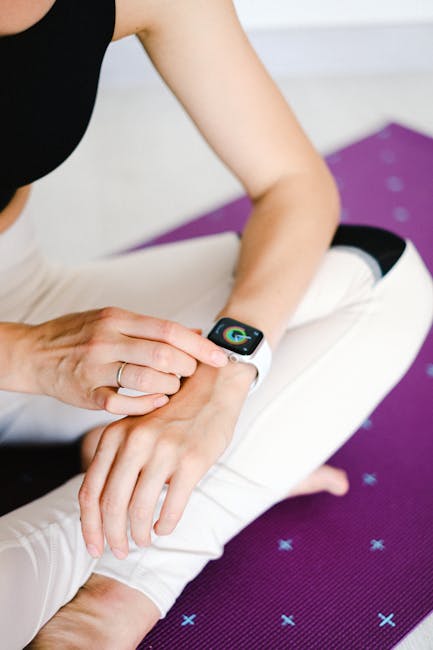
Do I need a fitness tracker or smart watch?
No—most apps work with your phone’s sensors for counting steps, tracking runs, or logging data manually. Wearables add convenience but aren’t essential.
Can I track both fitness and nutrition for free?
Yes—combine apps like MyFitnessPal for food/calorie tracking and Google Fit or Strava for physical activity.
Is it safe to share my progress on social media or in app communities?
Sharing can boost motivation, but protect your privacy: avoid posting sensitive details (weight, location, full name) publicly. Most apps let you control visibility settings.
What if I miss logging a workout?
No stress! Log it as soon as you remember, and get back on track. Consistency over time is what matters.
Motivation: Turning Data into Daily Wins
Tracking shouldn’t feel like a punishment—it’s there to motivate and reveal how much you’re growing. Celebrate non-scale victories like better endurance, improved mood, or hitting a new rep goal.
- Reward milestones (new gear, favorite healthy meal, or a rest day treat)
- Join app challenges or create your own with friends
- Remember: progress isn’t linear. Sudden jumps or dips are normal!
Conclusion: Start Tracking, Start Thriving
With free fitness apps and digital tools, every beginner can track, measure, and celebrate their progress—all from home. Start simple, be consistent, and remember: every step forward counts.
- Pick your metric(s)—one goal is fine to start!
- Choose your tool—download a free app or create a spreadsheet
- Build a routine—track after each workout
- Review, adjust, and reward your effort
As you get more advanced, dive deeper into your data, join challenges, or automate your tracking. The journey is yours—let free technology be your ultimate fitness partner!
```


0 Comments