

Stretching Routine for Wrist & Forearm Pain Relief at Home (Beginner)
Wrist and forearm pain are common complaints, especially among people who spend long hours typing, gaming, doing manual labor, or engaging in repetitive motions. Whether you're working at a desk, playing piano, knitting, rock climbing, or using your hands for detailed tasks, pain and discomfort can slowly creep in and disrupt your daily activities—and, if left unchecked, may develop into more serious injuries like carpal tunnel syndrome or tendonitis.
The good news? Implementing a simple, beginner-friendly stretching routine at home can do wonders for relieving wrist and forearm pain, improving flexibility, and preventing future injuries. This article guides you step-by-step, answering common questions and offering professional tips so you can start feeling better today.
Why Stretching is Essential for Wrist & Forearm Health
The wrists and forearms contain a network of tendons, muscles, and nerves that are constantly at work whenever you use your hands. Overuse, poor posture, and lack of movement diversity quickly build muscle tightness and reduce flexibility, increasing the chance of pain and chronic issues.
- Reduces muscle stiffness and tension
- Improves blood flow and nutrient delivery
- Increases range of motion & flexibility
- Decreases risk of injury from repetitive motions
- Alleviates nerve impingement or irritation
- Boosts recovery for sore or tired muscles
Understanding Wrist & Forearm Pain: Causes and Warning Signs

It's important to know what might be causing your wrist and forearm pain before you start stretching. Some of the most common sources include:
- Repetitive Strain: Typing, gaming, mouse use, manual labor
- Poor Ergonomics: Desk setups lacking wrist support, improper guitar or piano technique
- Lack of Breaks: Working for long periods without moving
- Underlying Medical Conditions: Carpal tunnel, tendonitis, arthritis, nerve compression
If you experience numbness, tingling, sharp pain, or weakness, consult a medical professional before beginning a self-guided stretching program. For most general aches and stiffness, gentle stretching is a safe and effective way to restore comfort.
Setting Up for Success: How to Prepare for Your At-Home Stretching Routine
What You Need
- Flat surface: Table, desk, or even a wall
- Comfortable chair
- Optional: Yoga mat for kneeling stretches, small towel for grip, timer
- Water bottle: Hydration keeps tissues supple
Before You Start: Key Tips
- Warm up your body with a brisk walk or arm circles for 2-3 minutes.
- Stretch to the point of mild tension, not sharp pain.
- Hold each stretch for at least 20-30 seconds; never bounce.
- Breathe deeply and evenly throughout each stretch.
- Repeat stretches 2-3 times per side for best results.
Beginner Friendly Wrist & Forearm Stretching Routine
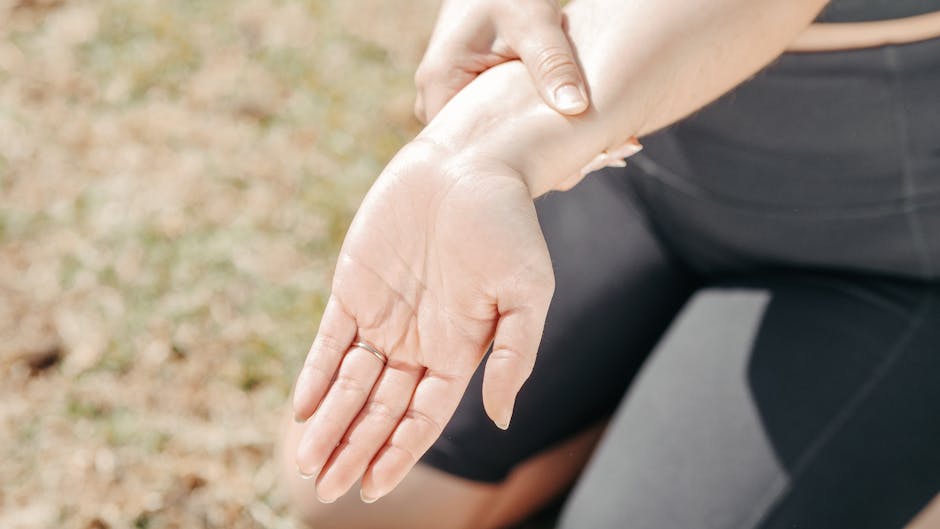
Here's a simple routine, expertly designed for all fitness levels, which focuses on the most effective wrist and forearm stretches. You can complete it in about 10-12 minutes.
| Stretch Name | Target Area | Instructions | Duration | Repetitions |
|---|---|---|---|---|
| Prayer Stretch | Wrist flexors, forearms | Sit tall, bring palms together in front of chest. Slowly lower hands down towards your abdomen, keeping palms together until you feel stretch. | 20-30 seconds | 2-3 |
| Reverse Prayer Stretch | Wrist extensors, forearms | Bring backs of hands together in front of chest, fingers pointing downward. Press gently together and lower for a reverse stretch. | 20-30 seconds | 2-3 |
| Wrist Flexor Stretch | Wrist flexors, palm side forearm | Extend one arm palm up, elbow straight. With other hand, gently pull fingers down and back toward the floor. | 20-30 seconds per side | 2-3 per side |
| Wrist Extensor Stretch | Wrist extensors, back of forearm | Extend arm palm down, elbow straight. Use other hand to gently pull fingers downward and toward the body. | 20-30 seconds per side | 2-3 per side |
| Tendon Glides | Tendons of fingers & wrist | Hold hands out, slowly make full fists, then open wide. Progress to hook, flat, and straight fists, pausing at each. | 2-3 seconds per position | 5 cycles |
| Desk (Tabletop) Stretch | Wrist & forearm | Place palms flat on desk, fingers facing you, gently lean back to feel the stretch under forearms. | 20-30 seconds | 2-3 |
| Forearm Twist Stretch | Pronators/Supinators, full forearm | With elbow at 90°, hold a light object (like a pen), rotate forearm palm up, then palm down, pause at the end of range. | 3-5 seconds | 10 rotations per side |
Detailed Stretching Instructions
1. Prayer Stretch
Stand or sit with palms together in front of your chest, elbows out. Keeping your hands pressed together, gradually lower your hands toward your waist, stopping when you feel a gentle stretch along the inside of your wrists and forearms. Hold for 20-30 seconds, then relax. Repeat 2-3 times.
2. Reverse Prayer Stretch
Bring the backs of your hands together in front of your chest, fingers pointed down. Press the backs together gently, moving your hands down toward your waist until you feel a stretch along the outside of your wrists and forearms.
3. Wrist Flexor Stretch
Extend your right arm in front, palm facing up and elbow straight. With your left hand, gently pull the fingers back and downward. You should feel a stretch along the palm side of the forearm. Hold, then switch arms.
4. Wrist Extensor Stretch
Extend your arm with the palm facing down. Use your other hand to gently pull the fingers toward the floor and back toward your body, feeling a stretch along the back of your forearm. Hold, then repeat on the other side.
5. Tendon Glides
Hold your arm out with the palm facing up. Make a full fist, then gradually open your hand wide. Move through hook fists, flat fists, and straight fists, pausing at each position. Repeat slowly for 5 cycles.
6. Desk/Tabletop Stretch
Place both palms flat on your desk or table, fingers pointing toward your body. Gently lean back while keeping palms on the surface. You should feel a stretch in your wrist and along your inner forearm. Hold, relax, and repeat.
7. Forearm Twist Stretch
Sit with your elbow bent at 90 degrees, holding a light object (like a pen or dowel). Rotate your forearm so your palm faces up, then rotate it so your palm faces down. Pause at each end range. Perform 10 repetitions per side.
Sample Weekly Routine
Consistency matters more than intensity when it comes to gentle stretching for pain relief. Here's how you might structure your week:
| Day | Routine |
|---|---|
| Monday | Full stretching routine (7 stretches) |
| Tuesday | Quick routine: Wrist Flexor + Extensor + Tendon Glides |
| Wednesday | Full stretching routine |
| Thursday | Rest or light movement (shake outs, wrist circles) |
| Friday | Full stretching routine |
| Saturday | Optional: Desk Stretch + Prayer Stretch |
| Sunday | Rest, focus on posture and short stretch breaks |
Pros and Cons of At-Home Wrist & Forearm Stretching
| Pros | Cons |
|---|---|
|
|
Common Beginner Mistakes to Avoid
- Stretching too aggressively: Always aim for mild tension, never pain. Overstretching can worsen discomfort.
- Neglecting warm-up: Cold muscles are more prone to strain. Gentle movement first is key.
- Holding breath: Forgetting to breathe can increase tension and reduce stretch effectiveness.
- Inconsistent practice: Stretching only sporadically will not yield results. Aim for 3-5x per week.
- Poor form: Rushing through stretches, jerky movements, and bad posture limit the benefit and may cause strain.
- Ignoring pain signals: Distinguish between good stretch ache and actual pain. Sharp, shooting, or numb sensations require immediate rest and possibly medical advice.
Advanced Tips for Maximizing Results
- Progress your stretches: As flexibility increases, gently increase duration or add light resistance (small towel, resistance band).
- Combine with mobility work: Wrist circles, gentle shaking, or light self-massage boost results and blood flow.
- Include forearm strengthening: Light dumbbell or resistance exercises support long-term joint health.
- Pair with ergonomic upgrades: An ergonomic mouse, keyboard, wrist pad, or regular breaks significantly reduce ongoing tension.
- Track your progress: Notice daily improvements in range of motion, strength, and pain reduction to keep motivated.
- Consult a physical therapist: For persistent or severe symptoms, a tailored program maximizes safety and efficacy.
Frequently Asked Questions (FAQ)
How often should I do wrist and forearm stretches?
Ideally, perform the full stretching routine 3-5 days per week for best results, and take short stretch breaks throughout the day if you're using your hands repetitively.
Can stretching cure carpal tunnel syndrome?
Stretching can alleviate mild symptoms and prevent aggravation, but carpal tunnel syndrome may require specific medical treatment. Always consult your doctor for proper diagnosis and care plan.
Is it okay to stretch if my wrists or forearms hurt?
Gentle stretching is safe for most mild aches and muscular tension. If you experience sharp, severe, or persistent pain, stop immediately and seek medical advice.
How long until I see results?
Most people notice improvement in pain and flexibility within two to four weeks of consistent practice. However, progress can vary based on the severity and cause of symptoms.
Should I stretch before or after work?
Stretching before work can loosen muscles and prep joints for use. Stretching after work (or at breaks) helps relieve accumulated tension. Both approaches are beneficial.
Conclusion: Prioritize Your Hand and Wrist Health
Wrist and forearm discomfort doesn’t have to be a permanent part of your routine. By integrating this simple, beginner-friendly stretching plan into your home or work life, you’ll feel looser, stronger, and pain-free over time. Remember: small, consistent efforts matter most. Listen to your body, be patient with your progress, and don’t hesitate to seek professional help if your symptoms persist. Your hands—and your entire body—will thank you.
References and Further Reading
- National Institute of Neurological Disorders and Stroke: Carpal Tunnel Syndrome Fact Sheet
- American Academy of Orthopaedic Surgeons: Wrist & Hand Pain Resources
- Mayo Clinic: Wrist Pain Overview
- ACE Fitness: Forearm Pain Relief
Related Topics
- Common Causes of Wrist & Forearm Pain and How Stretching Can Help
- Simple Warm-Up Moves to Prep Your Wrists and Forearms for Daily Tasks
- How to Track Progress and Stay Motivated in Your Stretching Routine



0 Comments