

Beginner Indoor Marching Workout for Weight Loss & Heart Health
Are you looking for an effective yet simple way to lose weight and improve your cardiovascular health from the comfort of your own home? An indoor marching workout is a fantastic, low-impact way to get moving, burn calories, and boost your heart health. Marching in place can be a beginner-friendly exercise routine that requires no special equipment or prior fitness experience. This comprehensive guide will show you how to start, what to avoid, and how to make your indoor marching routine both fun and effective for weight loss and overall wellness.
Why Choose Indoor Marching Workouts?
Not everyone has the time, motivation, equipment, or outdoor space to start traditional exercise routines. Indoor marching offers a practical solution that fits any schedule or fitness level. Below, let’s explore the top reasons why this workout can change your fitness journey.
- Beginner-Friendly: No previous experience or special skills required.
- Low Impact: Gentle on joints, making it ideal for people of all ages and body types.
- Weather-Proof: Exercise any time, regardless of rain, snow, or scorching heat.
- Space-Efficient: Perfect for small apartments, bedrooms, or living rooms.
- No Equipment Needed: Just shoes with good support (optional for extra comfort).
- Customizable: Adjust pace, intensity, and add movements to suit your ability and goals.
Benefits of Indoor Marching for Weight Loss and Heart Health

Marching in place may sound simple, but it is an effective cardiovascular workout that carries real benefits when performed consistently and with the right intensity. Here are some compelling science-backed advantages:
- Calorie Burn: Regular marching elevates your heart rate and burns calories, contributing to weight loss when combined with healthy eating.
- Heart Health: Aerobic exercise like marching helps strengthen the heart, lower blood pressure, and reduce the risk of cardiovascular diseases.
- Improved Endurance: Over time, marching boosts your stamina, making daily activities feel easier.
- Mood Enhancement: Physical activity increases endorphin levels, reducing symptoms of stress, anxiety, and depression.
- Better Balance and Coordination: Marching with controlled steps activates stabilizing muscles and hones coordination, especially if you add arm movements.
- Blood Sugar Control: Regular activity can help regulate blood sugar, especially important for those at risk of or managing type 2 diabetes.
How Many Calories Can You Burn with Indoor Marching?
The calories burned while marching in place depends on your weight, age, effort level, and the duration of your workout. Here’s a helpful table for estimating calorie expenditure during 30 minutes of moderate indoor marching:
| Weight (lbs) | Calories Burned (30 mins) |
|---|---|
| 125 | 100-120 |
| 150 | 120-150 |
| 175 | 140-170 |
| 200 | 160-200 |
| 225 | 180-230 |
Tip: To increase calorie burn, you can intensify your marching by lifting your knees higher, pumping your arms, or incorporating intervals (explained below).
Getting Started: What You Need for Indoor Marching
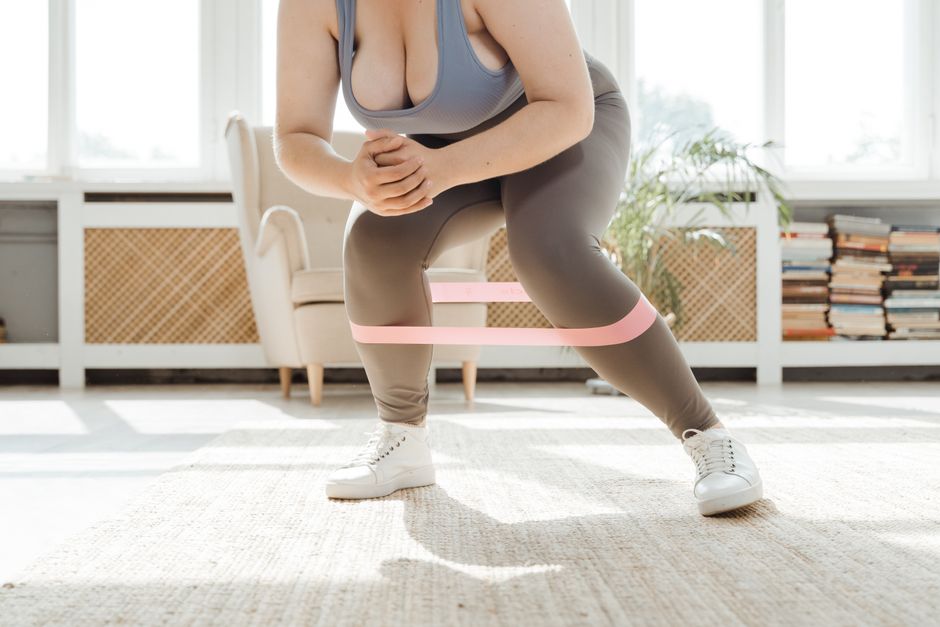
One of the best things about an indoor marching routine is its no-fuss setup. Here’s what you might want to have on hand before you get started:
- Comfortable Clothing: Wear breathable, moisture-wicking fabrics.
- Supportive Footwear: Athletic shoes reduce fatigue and protect your joints. However, many people safely march barefoot or in socks on non-slippery floors.
- Clear Space: Ensure 3-4 feet of open area, free of tripping hazards.
- Water Bottle: Stay hydrated, especially during longer sessions.
- Fitness Tracker (optional): Helpful for monitoring steps, heart rate, and calories.
- Upbeat Playlist or Video: Keeps you motivated and makes the workout more enjoyable.
Step-by-Step Beginner Indoor Marching Workout
If you’re new to exercise or returning after a break, start slowly and build your endurance gradually. Here is a simple, structured beginner indoor marching routine designed for weight loss and heart health.
Step 1: Warm Up (3-5 minutes)
- Begin by standing tall with feet hip-width apart.
- Gently march in place, keeping knees low and arms relaxed.
- Perform shoulder circles, ankle circles, and light side steps to mobilize your joints.
- Breathe deeply to prepare your body and mind for exercise.
Step 2: Main Workout (10-20 minutes)
- Standard March (2 minutes)
March in place at a comfortable pace. Pump arms gently at your sides. - Knee Lifts (1 minute)
Lift knees higher to hip level with each step, engaging your abdominal muscles. - Wide-Leg March (1 minute)
Take wider steps side to side, slightly squatting for added thigh activation. - Pump Up the Pace (2 minutes)
Increase your marching speed to raise your heart rate. Swing arms a bit more vigorously. - Repeat the sequence (Try to perform two rounds of the above for a 14-minute main workout. Beginners may start with one round and gradually add more.)
Step 3: Cool Down (3-5 minutes)
- Slow your marching pace, lower your knees, and gradually reduce arm movement.
- Finish with gentle stretches for your calves, quads, hips, and hamstrings to prevent tightness and improve flexibility.
Total Workout Time: 15-30 minutes
Weekly Indoor Marching Workout Schedule for Beginners
Consistency is key for seeing results. Beginners should aim for at least 3-5 marching workouts per week. Here’s how to schedule your sessions:
| Day | Workout Focus | Duration |
|---|---|---|
| Monday | Basic March + Arm Pumps | 15-20 min |
| Tuesday | March + Wide-Leg Steps | 15-20 min |
| Wednesday | Rest or Gentle Stretching | - |
| Thursday | March with Intervals (see below) | 20-25 min |
| Friday | March + Knee Lifts + Side Steps | 15-25 min |
| Saturday | Light March & Flexibility Work | 10-15 min |
| Sunday | Rest or Mindful Movement | - |
Note: Adjust your schedule to fit your lifestyle and energy levels. Progress at your own pace and listen to your body!
Extra Moves to Enhance Your Indoor Marching Routine
If you like variety or want to increase the challenge, add these beginner-friendly moves to your marching workout:
- Arm Presses: Push arms overhead or out in front as you march.
- Butt Kicks: Alternate bringing heels up toward your glutes with each step.
- Side Steps: Take two steps to the right, then two to the left, and repeat.
- Box Step: Imagine stepping forward, sideways, backward, and then together in a square shape.
- Marching with Light Hand Weights: Hold 1-3 lb dumbbells or water bottles to boost intensity (only if you’re comfortable).
Interval Training: A Simple Way to Burn More Calories
Interval training, or alternating periods of higher and lower intensity, is proven to supercharge calorie burn and cardiovascular benefits. Here’s how to apply intervals to your indoor marching:
- March at your regular pace for 2 minutes.
- Increase your marching speed, raise knees, and pump arms vigorously for 1 minute.
- Repeat this cycle for the duration of your workout, alternating between moderate and higher intensity.
This method keeps your workouts interesting and can ramp up results over time!
Indoor Marching Workout: Sample 20-Minute Routine
| Time (min) | Activity |
|---|---|
| 0-3 | Warm Up: Gentle March & Dynamic Stretches |
| 3-6 | Standard Marching with Arm Swings |
| 6-8 | Knee Highs or Wide Marches |
| 8-10 | Interval: Fast March (as fast as you can!) |
| 10-12 | Standard March: |
| 12-13 | Butt Kicks or Side Steps |
| 13-15 | Interval: Fast March |
| 15-18 | Mix of Marches with Arm Presses |
| 18-20 | Cool Down: Slow March & Stretches |
Beginner Mistakes to Avoid with Indoor Marching
Even simple exercises can be made less efficient (or riskier) by common mistakes. Here’s what beginners should watch out for:
- Poor Posture: Slumping shoulders or leaning forward strains the back. Stand tall, keep shoulders back, and look straight ahead.
- Lack of Warm-Up/Cool-Down: Skipping these phases increases risk of stiffness and injury.
- Marching Too Fast, Too Soon: Overdoing it may cause fatigue, loss of form, or soreness. Gradually increase pace and duration.
- Neglecting Hydration: Failing to drink water can lead to dehydration, even during indoor exercise.
- Ignoring Pain: Discomfort is a sign to stop. Never push through joint, muscle, or chest pain.
- Repetitive Movement Only: Add variations to avoid boredom and plateaus.
Advanced Tips to Maximize Results
As you gain confidence, you can make your indoor marching routine more effective and exciting:
- Longer Sessions: Extend your main workout to 30-40 minutes for increased calorie burn as fitness improves.
- Add Resistance: Use light ankle or wrist weights to challenge muscles. Start light to avoid strain.
- Stair Marching: If you have stairs, march or step up and down for several minutes.
- Combine with Bodyweight Moves: Add short bouts of squats, lunges, or standing ab crunches mid-march.
- Challenge Balance: March on a soft mat or periodically close your eyes (briefly) for proprioception training (be safe!).
- Track Progress: Use a pedometer, fitness tracker, or app to count your steps, monitor speed, and set goals.
- Increase Music Tempo: March along to faster songs to naturally boost your pace.
Pros and Cons of Indoor Marching Workouts
| Pros | Cons |
|---|---|
|
|
Frequently Asked Questions (FAQs)
Is indoor marching really effective for weight loss?
Yes! Like any cardio exercise, indoor marching burns calories and increases your metabolic rate. When paired with a healthy, calorie-conscious diet, consistent indoor marching is an effective method for gradual, sustainable weight loss.
How often should I do indoor marching workouts for best results?
Aim for at least 150 minutes of moderate-intensity aerobic activity per week, as recommended by health authorities. Break this up however you like — for example, 5 sessions of 30 minutes each.
Can I march in place if I have bad knees or arthritis?
Marching in place is generally low-impact and joint-friendly, but always consult your physician before starting a new exercise program if you have chronic joint issues or arthritis. Start gently and see how your body responds.
Do I need shoes for indoor marching?
Supportive athletic shoes are best, especially on hard floors, but many people do march barefoot or in socks on soft, safe surfaces. Avoid slippery areas and listen to your comfort level.
How long until I see results?
With regular practice and mindful eating, most beginners notice increased stamina, better mood, and modest weight loss in 2-4 weeks. Significant weight loss requires ongoing consistency and a calorie deficit.
Can I combine indoor marching with other exercises?
Absolutely! Indoor marching pairs well with yoga, strength training, flexibility routines, and even dance for a comprehensive fitness regimen.
Indoor Marching: Helpful Resources
- Online Videos: Search platforms like YouTube for "indoor marching workouts" or "marching in place for beginners" for guided sessions.
- Fitness Apps: Many step-tracking or workout apps offer reminders and motivation to keep you on track.
- Music Playlists: Create a playlist of upbeat tracks to match your marching rhythm and boost enjoyment.
- Virtual Groups: Join online fitness communities for accountability and inspiration.
Making Indoor Marching Fun
- March during TV commercials or while listening to podcasts.
- Set mini-challenges, such as hitting a step goal or adding a new movement each week.
- Get family members involved for extra fun and accountability.
- Keep a workout journal to track your progress and celebrate milestones.
Your Next Steps: Start Your Healthy March Today
Indoor marching is a simple, accessible, and efficient way for beginners to embark on a weight loss and heart health journey from home. By making a plan, being consistent, and listening to your body, you can reach your fitness goals without the need for equipment, gym memberships, or complicated routines. Remember: progress is personal. March at your own pace, celebrate the wins, and embrace every step as a move toward a healthier, happier you!
Ready, Set, March!
Now that you know how to structure your routine, avoid common mistakes, and get the most out of your workout, it’s time to take the first step — literally! Lace up your shoes (or go barefoot on a safe surface), crank up your favorite tunes, and start marching. Your heart, waistline, and mood will thank you for it.
This article is intended for informational purposes only and does not constitute medical advice. Always consult your physician before starting a new exercise program, especially if you have health concerns or chronic conditions.
Related Topics
- Key Tips to Make Indoor Marching Fun and Motivating for Beginners
- How to Track Progress and Set Realistic Goals with Indoor Marching Workouts
- Easy Ways to Boost Calorie Burn with Simple Home Marching Variations



0 Comments