

Start Pilates at Home: Beginner Steps for Flexibility & Core Strength
Are you eager to try Pilates but not sure how to start at home? Whether you're looking to improve flexibility, boost core strength, or simply incorporate mindful movement into your everyday routine, Pilates is a highly accessible practice. With its focus on controlled movements and breath, Pilates is beginner-friendly and can be done anywhere—with minimal equipment! In this detailed guide, we’ll provide step-by-step advice, highlight common mistakes, answer your questions, and take you from your very first movement to a sustainable home practice.
What is Pilates?
Pilates is a low-impact form of exercise developed by Joseph Pilates in the early 20th century. Its main purpose is to strengthen the body, with an emphasis on core postural muscles and flexibility. Unlike some workouts, Pilates blends strength, flexibility, and mindful breathing into one, making it a balanced routine for people of all ages and fitness levels.
- Pilates Mat: Requires just a mat and uses your body weight for resistance.
- Pilates Equipment: Involves tools like the Reformer, Magic Circle, or resistance bands.
For beginners, mat Pilates is the most accessible and effective way to start at home.
Benefits of Pilates for Flexibility & Core Strength
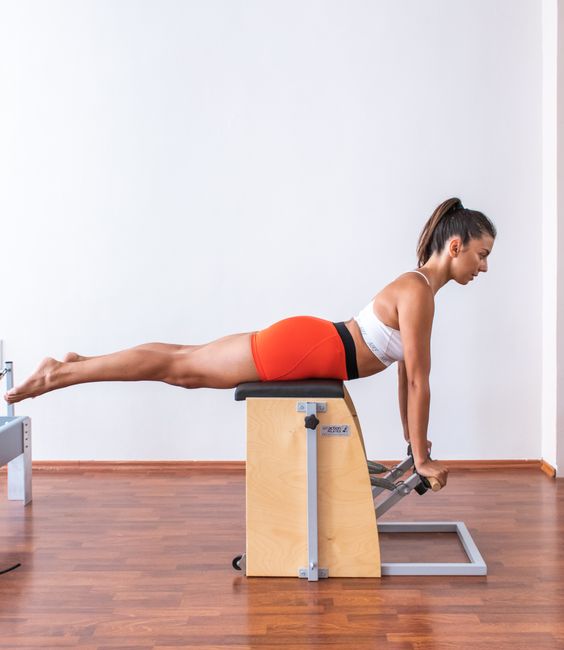
- Improved Flexibility: Pilates lengthens and stretches muscles, increasing your range of motion.
- Core Strength: The focus on abdominal and back muscles stabilizes your entire body.
- Better Posture: Pilates teaches awareness of alignment and body mechanics.
- Reduced Injury Risk: Stronger core and flexible muscles protect your back and joints.
- Stress Relief: Breathwork and mindful movement help reduce tension and promote relaxation.
Step by Step Guide: How to Start Pilates at Home for Beginners
Step 1: Prepare a Dedicated Space
- Find a quiet, uncluttered area with enough space to stretch out in all directions.
- Use a good quality Pilates or yoga mat for comfort and support.
- Keep water nearby and wear comfortable, form-fitting clothing so you can move freely.
- Consider having a small towel or cushion for support in certain exercises.
Step 2: Learn the Pilates Principles
Familiarize yourself with the key principles that form the foundation of Pilates. Understanding these helps refine your technique and maximize results.
| Pilates Principle | Description |
|---|---|
| Centering | All movement starts from your core (“powerhouse”), the area between your rib cage and pelvis. |
| Concentration | Focus your mind on each movement and the muscles being engaged. |
| Control | Movements are performed with precision and purpose, avoiding momentum. |
| Precision | Quality over quantity. Each movement is deliberate and accurate. |
| Breath | Coordinate breath with movement; inhale to prepare, exhale to exert effort. |
| Flow | Movements transition smoothly for a balanced workout. |
Step 3: Gather Basic Equipment for Home Pilates
- Pilates Mat: Non-slip, comfortable for floor exercises.
- Optional: Resistance bands, Pilates ball, Magic Circle, light weights, foam roller.
For beginners, stick to your body weight and mat until you master form and technique.
Step 4: Start with Essential Beginner Pilates Moves
These fundamental exercises help introduce you to Pilates and build a solid foundation. Practice each movement slowly and with control.
-
1. The Hundred
- Lying on your back, lift legs to tabletop, arms by your side.
- Lift head and shoulders, pump arms up and down vigorously while inhaling for five counts and exhaling for five counts (repeat 10x).
-
2. Single Leg Stretch
- Lie on your back, bring knees to chest.
- Hold one knee in, stretch the other leg out, switch legs, and repeat—keep shoulders lifted and core engaged.
-
3. Roll Up
- Start lying down, arms overhead.
- Inhale, lift arms, head, then spine up to a seated position, exhale, roll back down slowly.
-
4. Bridge
- Lie on back, knees bent, feet hip-width.
- Press into your feet, lift hips, form a straight line from shoulders to knees, lower down one vertebra at a time.
-
5. Spine Stretch Forward
- Sit with legs extended, feet flexed, and arms in front.
- Inhale, lengthen spine; exhale, reach forward, keeping shoulders relaxed.
-
6. Plank (Modified)
- On hands and knees, step feet back, keeping core tight, body in a straight line.
- Hold for a count of 10-30 seconds, focusing on breath and alignment.
-
7. Side-Lying Leg Lifts
- Lying on your side, rest head on arm.
- Lift top leg up, control down; repeat 8-10 times, switch sides.
Repeat each exercise for 8–12 repetitions or hold for 30 seconds if static. Prioritize quality and form over speed or number of repetitions.
Step 5: Create a Consistent Routine
- Schedule 2–4 Pilates sessions per week for optimal results.
- Start with 15–20 minutes per session, gradually increasing to 30–45 minutes.
- Mix up exercises to target different muscle groups and keep your routine engaging.
Step 6: Follow Along with Guided Videos or Apps
- Choose beginner-friendly Pilates YouTube channels or mobile apps.
- Look for certified instructors to ensure professional guidance.
- Pause videos to review exercise instructions and maintain correct form.
Step 7: Monitor Progress and Adjust as Needed
- Keep a journal to log sessions, note improvements in flexibility, strength, and overall well-being.
- Gradually try more advanced movements as your confidence grows.
- If you experience pain (not to be confused with muscle engagement), pause and assess your form.
Sample 4-Week Beginner Pilates Plan

| Week | Focus | Exercises | Duration |
|---|---|---|---|
| Week 1 | Foundations | The Hundred, Bridge, Spine Stretch Forward | 15–20 min / 2x week |
| Week 2 | Form & Breath | Roll Up, Single Leg Stretch, Side Lying Leg Lifts | 20–25 min / 3x week |
| Week 3 | Flexibility | Add Plank, Swan Prep, Seated Forward Fold | 25–30 min / 3x week |
| Week 4 | Strength & Flow | Combine all, focus on smooth transitions | 30–35 min / 4x week |
Common Beginner Mistakes in Pilates
- Holding Your Breath: Proper breathing is core to Pilates. Sync breath to movement for best results.
- Rushing Movements: Avoid doing exercises quickly; focus on slow, controlled motion for maximum benefit.
- Relying on Momentum: Each movement should be intentional—not swung or bounced through.
- Poor Alignment: Keep an eye on neck, back, and hip alignment, using a mirror if possible.
- Ignoring the Core: Engage your core (“pull your navel toward your spine”) with every exercise.
- Skipping the Warmup or Cooldown: Take five minutes to prepare your body and avoid stiffness after.
- Doing Advanced Moves Too Soon: Master the basics before attempting complex Pilates exercises.
Pilates for Flexibility: Which Moves to Focus On
- Spine Stretch Forward: Maintains spinal mobility.
- Saw: Rotational hamstring and spinal stretch.
- Single/Double Leg Stretch: Hip and hamstring flexibility intertwined with core activation.
- Roll Up: Full-body stretch and mobility for posterior chain.
- Mermaid: Side stretch for obliques and hips.
Pilates for Core Strength: Must-Try Moves
- The Hundred: Builds core endurance and breath coordination.
- Plank Variations: Front and side planks enhance deep core engagement.
- Dead Bug: Teaches core control with moving limbs.
- Single Leg Teaser: Core and balance challenge for deeper ab engagement.
- Swimming: Back and glute activation for full core stability.
When to Progress: Signs You’re Ready for Advanced Pilates
- You can perform beginner moves with ease and perfect form.
- You maintain core engagement and breath naturally during exercise.
- Flexibility gains allow fuller ranges of motion without discomfort.
- You crave new challenges or longer workouts.
Advanced Pilates Tips Once You Master the Basics
- Add light resistance (bands, weights, Magic Circle) to increase challenge.
- Incorporate intermediate exercises like The Teaser, Side Plank, or Bicycle.
- Practice more complex flows to increase cardiovascular and muscular endurance.
- Combine Pilates with other forms of movement: yoga, barre, or strength training.
- Record yourself to refine your form and ensure optimal alignment.
Table: Pros and Cons of Starting Pilates at Home
| Pros | Cons |
|---|---|
|
|
Frequently Asked Questions: Pilates for Beginners
How often should a beginner do Pilates at home?
For optimal results, start with 2–3 sessions per week, gradually increasing frequency as your body adapts. You can practice Pilates daily, but remember to listen to your body and allow for recovery.
Can Pilates help me lose weight?
Pilates builds lean muscle, promotes proper posture, and supports overall fat loss as part of a balanced routine. For weight loss, combine Pilates with cardiovascular exercise and a nutritious diet.
Do I need equipment or can I do Pilates using just a mat?
Many Pilates exercises can be done on a mat, using body weight. As you progress, you might add props like resistance bands, Pilates balls, or Magic Circles for variety and additional challenge.
Is Pilates safe for people with back pain?
When done correctly, Pilates can strengthen the muscles supporting your spine and improve back health. However, always consult your doctor or a physical therapist if you have chronic back pain or injury.
How soon will I see results from Pilates?
You may notice improved muscle engagement and flexibility within a few weeks. With consistent practice, many see tangible strength and posture changes after 1–2 months.
Can men do Pilates?
Absolutely! Pilates was originally created by a man and is highly effective for everyone, regardless of gender. The practice builds functional strength which is useful in all aspects of life and fitness.
Should I warm up before a Pilates session?
Yes, even gentle movements like spinal rolling, arm circles, and hip mobilizations can help prepare your body and prevent injury.
Helpful Resources and Further Reading
- Online Platforms: Look for certified instructors on platforms like Pilates Anytime, YouTube (“Blogilates”, “Lottie Murphy”), and fitness apps (Alo Moves, Down Dog).
- Books: "Pilates Body" by Brooke Siler, "Return to Life Through Contrology" by Joseph Pilates.
- Communities: Join online forums like Reddit’s r/Pilates for advice and encouragement.
- Official Organizations: Pilates Method Alliance (PMA) offers information on Pilates training and certification.
Final Thoughts: Your Pilates Journey Starts Now
Embarking on a Pilates practice at home is a positive step for anyone seeking more flexibility, a stronger core, and a mindful approach to movement. The beauty of Pilates lies in its adaptability—accessible to beginners yet challenging for seasoned practitioners. Stick to the fundamentals, listen to your body, progress gradually, and enjoy the many benefits Pilates has to offer. Your commitment and consistency will lay the foundation not just for fitness, but for greater body awareness, confidence, and well-being.
Remember: the most important move is simply to begin. Roll out your mat, draw your breath in, and take your first step into Pilates today!
```


0 Comments