
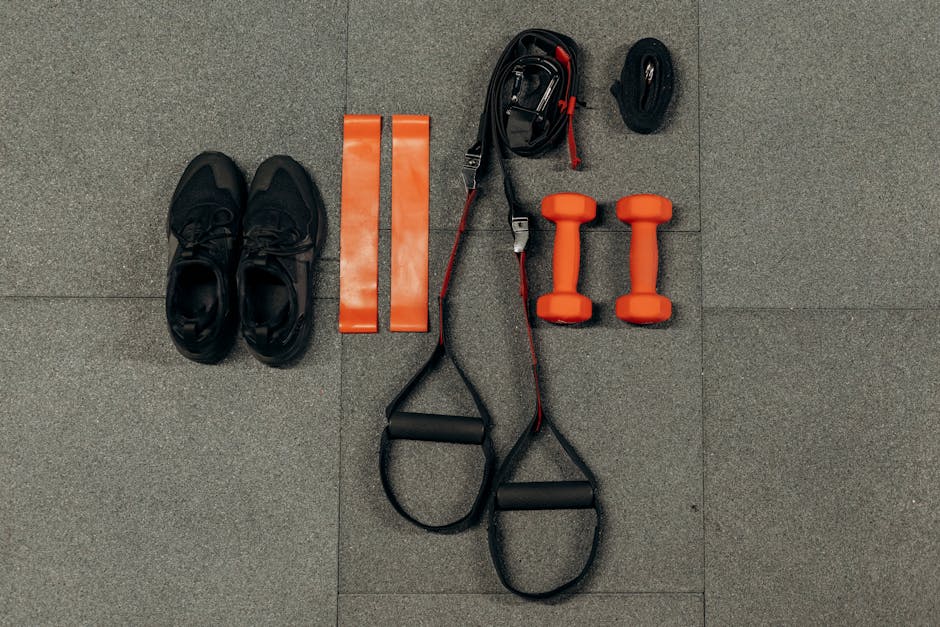
Budget Home Gym Setup: Beginner-Friendly Fitness & Weight Loss
Have you dreamed of losing weight, getting fitter, and boosting your health from the comfort of your own home? Setting up a home gym doesn’t need to cost a fortune or require a spare room filled with bulky equipment. With smart planning and the right approach, you can create an effective workout space that supports fitness and weight loss—without breaking the bank. This comprehensive guide will walk you through a step-by-step process to create a beginner-friendly home gym on a budget, address common pitfalls, share advanced tips, and answer all your pressing questions.
Why Build a Budget Home Gym?
Many people start their fitness journey full of motivation, only to get discouraged by costly gym memberships, intimidating equipment, or lack of time. A home gym is the solution—convenient, private, and, if set up correctly, incredibly affordable. Here’s why you should consider putting together your own budget-friendly home gym:
- Cost savings: No recurring membership fees or travel expenses.
- Time efficiency: No commute—work out whenever works for you.
- Comfort and privacy: Exercise on your terms, with no waiting for equipment.
- Customization: Tailor exercises and equipment to your needs.
- Consistency: Easier access increases adherence to your fitness routine.
Step 1: Define Your Fitness and Weight Loss Goals

Before you buy a single kettlebell or resistance band, it’s crucial to identify exactly what you want to achieve. Your goals will determine the equipment you need and how you organize your space. For beginners focusing on weight loss and overall fitness, most goals fall into these categories:
- Fat loss: Prioritize calorie-burning workouts, HIIT, and circuit training.
- Muscle tone: Bodyweight exercises, resistance training, and light weights.
- Cardiovascular health: Incorporate cardio circuits or low-impact aerobic routines.
- Mobility and flexibility: Include stretching or yoga routines for injury prevention and recovery.
Write down your primary outcomes. Is it shedding 15 lbs, building strength, or improving your stamina? Clear goals will sharpen your budget and equipment choices.
Step 2: Assess Your Space
Choosing a Home Gym Location
You don’t need a dedicated room or massive basement—a corner of your bedroom or living room, a garage, or even a balcony can work. What matters most is that your space is:
- Well-ventilated
- Clean and clutter-free
- Big enough for you to move and safely perform exercises (around 6ft x 6ft is often sufficient)
- Equipped with basic storage (shelving, bins, hooks, etc.)
Flooring Considerations
Ideally, add some form of shock-absorbing flooring to protect your joints and floors:
- Yoga mat: Good for bodyweight, stretching, yoga, and pilates.
- Foam tiles or rubber mats: Inexpensive modular options found at sporting goods stores or online.
- Old carpet/rug: Not perfect, but better than hard flooring if you’re on a tight budget.
Step 3: Prioritize Essential Equipment
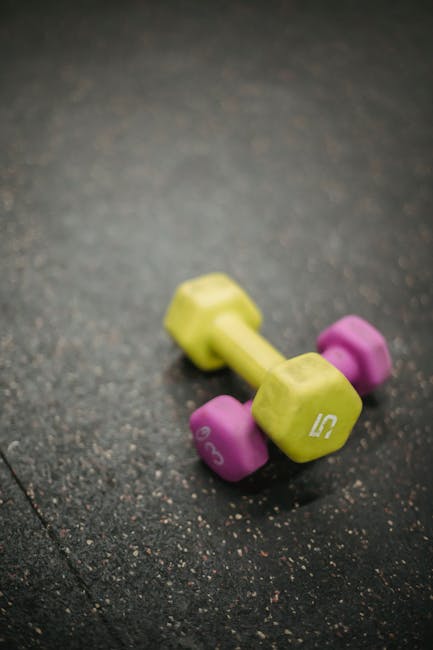
You don’t need expensive or fancy machines for an effective beginner workout. With a few versatile pieces, you’ll unlock dozens of routines for weight loss, strength, and cardio. Here’s what to consider:
Table 1: Essential Home Gym Equipment for Beginners (on a Budget)
| Equipment | Why It's Essential | Budget Estimate | Recommended Use |
|---|---|---|---|
| Resistance Bands | Full-body strength work, portable, adjustable resistance | $10–$30 | Strength, toning, rehab |
| Dumbbells (adjustable or fixed, 5-20lbs) | Versatile strength and HIIT work | $20–$60 | Strength, HIIT, muscle gain |
| Jump Rope | Affordable, efficient cardio anywhere | $5–$20 | Cardio, warm-ups |
| Stability/Yoga Mat | Cushions for floor exercises and stretching | $10–$30 | Stretch, core, flexibility |
| Kettlebell (one or a pair) | Dynamic strength + cardio (swings, squats) | $20–$40 | Power, HIIT, whole-body |
| Pull-Up Bar (doorway) | Back, arms, core strength; compact | $25–$40 | Upper body, core |
| Step/Bench (optional) | Step-ups, Bulgarian squats, elevated presses | $30–$50 | Bodyweight, plyometrics |
These basics, collectively costing less than a single month’s gym membership in most cities, allow you to perform nearly every exercise necessary for beginner fitness and weight loss.
Additional Low-to-No-Cost Essentials
- Towels (for wiping sweat or using as padding)
- Water bottle
- Basic timer or fitness app (many free!)
Step 4: Where to Buy Affordable Equipment
You don’t need to buy brand new from high-end fitness stores. Save more with these options:
- Facebook Marketplace, Craigslist, OfferUp: Great for gently used equipment with deep discounts.
- Local garage sales and thrift stores: Sometimes have weights, mats, and bands for a fraction of retail cost.
- Discount retailers (Walmart, Target, Decathlon, Five Below): Brand new basics at low prices.
- Online shopping (Amazon, eBay): Compare prices and read reviews for best value.
Step 5: Organize Your Space for Motivation and Convenience
Smart Storage Solutions
A tidy gym makes you more likely to use it! Here’s how to keep your space organized:
- Wall hooks: Hang resistance bands, jump rope, towels.
- Plastic bins: Store dumbbells, kettlebells, mats out of the way.
- Foldaway bench: Stash under a bed or against a wall.
- Vertical racks or crates: Store weights and clear floorspace.
Enhance the Atmosphere
- Good lighting: A bright, inviting space feels energizing.
- Portable speaker or headphones: Play motivating playlists.
- Mirror: Helps with form and adds to the “gym feel.”
Step 6: Build Your Beginner-Friendly Workout Plan
Successful weight loss and fitness rely as much on routine as on equipment. Here’s how to create a simple, effective weekly plan, using your new gym.
Table 2: Sample Weekly Beginner Home Workout Plan
| Day | Workout Focus | Sample Exercises |
|---|---|---|
| Monday | Full-Body Strength | Resistance band squats, push-ups (knee or standard), dumbbell rows, banded chest press, core plank |
| Tuesday | Cardio + Core | Jump rope, high knees, mountain climbers, Russian twists, lying leg raises |
| Wednesday | Active Recovery | Yoga routine, dynamic stretching, foam rolling |
| Thursday | Upper Body Focus | Dumbbell shoulder press, resistance band bicep curls, triceps dips (on bench/chair), pull-aparts |
| Friday | Cardio HIIT | Kettlebell swings, box step-ups, jump rope intervals, squat jumps, side planks |
| Saturday | Lower Body & Glutes | Bodyweight lunges, goblet squats (with dumbbell), resistance band hip bridges, calf raises |
| Sunday | Rest or Light Stretching | Gentle full-body stretch or walk |
- Tip: Aim for 20-35 minutes per session as a beginner, including warm-up and cool-down. Consistency is more important than duration at first.
Step 7: Mix Up Cardio Without Expensive Machines
No treadmill? No problem! These cardio options torch calories, require minimal gear, and keep workouts fun:
- Jump rope intervals: Few minutes daily can burn 50-100 calories.
- Shadow boxing: Set timer for rounds, use light weights for added intensity.
- Bodyweight circuits: Burpees, mountain climbers, jumping jacks, and sprints in place.
- Stair runs or step-ups: If you have stairs or a sturdy chair/step, do repeat rounds for intense cardio.
Step 8: Nutrition and Recovery Support Your Results
- Focus on whole foods: Lean proteins, vegetables, fruits, whole grains, healthy fats.
- Track meals if weight loss is your goal—free calorie trackers or food journals help.
- Hydrate often (keep that water bottle in your gym!).
- Prioritize recovery: Sleep 7-8 hours nightly; include foam rolling or stretching for muscle relief.
Common Beginner Mistakes—and How to Avoid Them
- Going “all in” too soon: Start small, avoid burnout or injury. Increase workout length/intensity gradually.
- Neglecting form: Always prioritize good form over speed or weight. Use a mirror, film yourself, or follow trusted trainers online.
- Buying too much equipment: Start with the basics; expand only as you progress and stay consistent.
- Skipping warm-up/cool-down: These prevent injury and boost results—set aside 5 minutes at both ends of your workout.
- Lack of variety: Change routines every few weeks to avoid boredom and plateaus.
- No clear plan: Always approach your workouts with a written or app-based plan—winging it leads to inconsistency.
Pros and Cons of a Budget Home Gym
| Pros | Cons |
|---|---|
|
|
Advanced Tips: Maximize Space, Savings, and Results
- Mental cues: Lay out your gym clothes and gear the night before to trigger workout mode.
- Multipurpose equipment: Look for gear that serves multiple purposes—adjustable dumbbells, resistance bands with different handles, a step bench that doubles as storage.
- Online resources: Use YouTube, free apps, and fitness websites for program variety—many offer guided workouts for your exact setup.
- Progression without buying more: To make exercises harder, slow the tempo, add holds, or increase reps and sets before buying heavier weights.
- Buddy system: Invite a friend or family member to join for accountability and fun—virtually or in-person.
- Plan upgrades: If you stick with your habit for 2-3 months, reward yourself with a new piece of equipment.
Frequently Asked Questions (FAQ)
- Q: How much should I spend on my first home gym?
- A: Most beginners can set up a functional gym space for $50-$200, especially when buying second-hand or starting with just a few essentials (resistance bands, a mat, and a kettlebell or dumbbells).
- Q: Do I need cardio machines (treadmill, elliptical) for weight loss?
- A: Not at all! You can get highly effective cardio through jump rope, HIIT circuits, stair/step work, and even bodyweight-only routines at home—no large machines necessary.
- Q: Can I get stronger and lose weight with just bodyweight?
- A: Yes. Bodyweight routines (push-ups, squats, lunges, planks, etc.) build strength and burn calories. Adding resistance bands or portable weights improves results, but are not strictly necessary to start.
- Q: How do I stay motivated to use my home gym?
- A: Set clear, achievable goals, follow a written program, track progress, and reward yourself. Make the environment pleasant, and mix in new workouts regularly—variety keeps things fresh!
- Q: How often should beginners work out at home?
- A: Aim for 3–5 sessions per week of 20–40 minutes, alternating strength and cardio, plus 1–2 active recovery or stretching days.
- Q: What if I have injuries or health concerns?
- A: Always consult a doctor before starting a new fitness routine. Many home exercises can be modified for injuries—focus on controlled movements and listen to your body.
- Q: Is home training as effective for weight loss as going to the gym?
- A: Absolutely—if you’re consistent and gradually increase the difficulty of your workouts. The key to weight loss is diet plus regular exercise, not the location!
Bonus: Sample Budget Home Gym Shopping List
- 1 x resistance band set (includes light/medium/heavy) — $20
- 1 x yoga/exercise mat — $15
- 1 x pair of dumbbells (10lb) — $25
- 1 x jump rope — $10
- Optional: 1 kettlebell — $20
- Total: $70–$90 for a home gym you can use for years!
Conclusion: Build Your Perfect Beginner Home Gym Today
Creating a beginner-friendly, budget home gym is 100% achievable, regardless of your space or financial constraints. By focusing on compact, versatile equipment and building routines centered around your goals, you maximize both your investment and your results. Don’t let gym costs or complicated machines stand between you and your best self.
Remember: Start small. Stay consistent. Upgrade only when you’ve built the habit. Fitness and weight loss success are within reach—right at home!
Ready to transform your body and life? Set up your home gym today, and let your journey begin!
```

0 Comments