
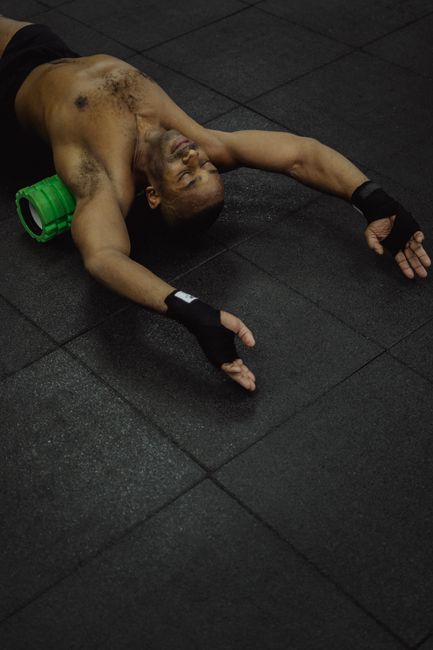
Foam Rolling for Beginners: Relieve Soreness & Boost Recovery at Home
Have you ever found yourself wincing from post-workout muscle soreness? Or noticed your muscles seem tight and fatigued after an intense week at the gym or simply from daily inactivity? Foam rolling could be the game-changer in your recovery routine. This comprehensive guide unpacks everything a beginner needs to know about foam rolling at home, with actionable steps, pro tips, FAQs, and common mistakes to avoid—so you can relieve soreness and boost recovery like an expert.
What is Foam Rolling?
Foam rolling, also known as self-myofascial release, is a self-massage technique that involves applying gentle, sustained pressure to specific muscle groups using a cylindrical foam roller. This method helps release tightness, reduce soreness, and improve muscle elasticity by targeting the fascia—the connective tissue covering your muscles.
By slowly rolling over tight or overused areas, you break up adhesions and increase blood flow, which can accelerate muscle recovery and enhance overall mobility.
Benefits of Foam Rolling at Home

- Relieves muscle soreness and tightness
- Speeds up muscle recovery after exercise
- Improves flexibility and range of motion
- Reduces risk of injury
- Enhances circulation
- Reduces stress and promotes relaxation
- Convenient and cost-effective (no gym required!)
How Foam Rolling Works: The Science
Foam rolling targets the fascia and underlying muscles. When muscles are overused, they create knots or trigger points. Foam rolling causes physical pressure that helps “smooth” these knots and encourages blood flow. This, in turn, delivers more oxygen and nutrients to the muscle tissue and helps flush away metabolic waste, expediting the recovery process.
Studies indicate that foam rolling can acutely reduce muscle soreness (DOMS), improve range of motion, and even enhance athletic performance—especially when combined with a proper warm-up and stretching routine.
Choosing the Right Foam Roller for Beginners

Not all foam rollers are created equal. Selecting the appropriate roller is key to comfort and results.
| Type | Material | Best For | Intensity |
|---|---|---|---|
| Smooth (standard) | Dense foam | Beginners, general use | Low-Medium |
| Textured (grid) | Firm, with ridges/knobs | Deeper tissue work | Medium-High |
| Soft foam | Low-density foam | Sensitive muscles, elderly | Low |
| Short/Mini rollers | Varies | Travel, targeting specific muscles | Varies |
Tip: As a beginner, start with a smooth, low- to medium-density foam roller. Once your body adjusts, you can explore textured rollers for a deeper massage.
How to Start Foam Rolling at Home: Step-by-Step Guide
Getting started with foam rolling is simple and safe if you follow a stepwise approach. Here’s how to begin:
Step 1: Warm Up Before Rolling
- Do 3-5 minutes of light cardio (marching in place, jumping jacks, or brisk walking) to increase blood flow.
Step 2: Pick the Target Area
- Focus on sore, tight, or frequently used muscle groups: calves, quads, hamstrings, glutes, back, and shoulders.
Step 3: Position the Roller
- Gently place the foam roller under the chosen muscle group.
- Support your body weight with your hands or opposite leg for balance.
Step 4: Roll Slowly
- Roll back and forth slowly (about 1 inch per second), spending 30 seconds to 2 minutes per area.
- When you find a tender spot, pause and hold for 20-30 seconds, allowing tension to release (but avoid rolling directly on joints or bones).
Step 5: Breathe and Relax
- Maintain deep, relaxed breathing throughout your session.
Step 6: Re-assess and Repeat
- Note changes in soreness or tension; repeat 2-3 times per week, gradually increasing frequency as needed.
Beginner Foam Rolling Routine: Sample Program
The following sample routine targets major muscle groups and takes about 10-15 minutes. Adjust duration per group based on your comfort level.
| Muscle Group | Instructions | Time |
|---|---|---|
| Calves | Place roller under lower leg; support with hands. Roll from ankle to below knee. | 1-2 min |
| Hamstrings | Place roller under thighs; roll from glutes to knees. | 1-2 min |
| Quadriceps | Lie face down, roller under thighs; roll from hip to knee. | 1-2 min |
| Glutes | Sit on roller, cross one ankle over opposite knee; roll side to side. | 1 min per side |
| Upper Back | Lying on your back, roller beneath shoulder blades. Roll to upper/mid-back. | 1-2 min |
| IT Band (side thighs) | Lie on your side, roller under outer thigh; gently roll from hip to knee. Note: This can be intense. Ease into it. |
30 sec-1 min per side |
Foam Rolling: Do's and Don'ts for Beginners
- Do roll slowly and with control.
- Do breathe deeply and try to relax your muscles.
- Do listen to your body and adjust pressure as needed.
- Don't roll over joints, bones, or acute injuries.
- Don't rush; more rolling isn't always better.
- Don't hold your breath or tense up.
Top Beginner Mistakes to Avoid
- Rolling Too Fast: Quick rolling is ineffective. Move slowly to let your muscles adapt and release tension.
- Ignoring Pain: Sharp or severe pain is a warning. If rolling is extremely painful, reduce pressure or stop.
- Spending Too Long on One Spot: Overworking an area can cause bruising and worsen soreness.
- Rolling Directly on Injury: Avoid rolling bruised, inflamed, or injured areas.
- Using a Roller That’s Too Firm: Beginners should use a softer roller until their body adapts.
- Poor Body Positioning: Bad posture can strain your wrists, neck, or back. Maintain alignment and support yourself with your hands.
- Neglecting Regularity: Consistent, short sessions are more effective than occasional, aggressive rolling.
Pros and Cons of Home Foam Rolling
| Pros | Cons |
|---|---|
|
|
Advanced Tips: Progressing Beyond the Basics
- Try Different Rollers: As your body adjusts, experiment with firmer or textured rollers for deeper myofascial release.
- Incorporate Mobility and Stretching: Use foam rolling as part of a warm-up and cooldown routine, followed by dynamic stretching.
- Work on Smaller Areas: Use a massage ball or mini roller to target feet, forearms, or the gluteus medius.
- Combine with Breathwork: Deep, deliberate breathing enhances relaxation and boosts the benefits.
- Adjust Pressure: Gradually increase pressure by shifting more body weight onto the roller as your tolerance improves.
- Use Active Rolling: Move the limb being rolled for added muscle engagement, e.g., flexing and pointing your foot while rolling your calf.
- Schedule Consistency: Aim for 2-5 sessions per week, based on training intensity and recovery needs.
Frequently Asked Questions (FAQ) About Foam Rolling for Beginners
- How often should I foam roll?
- For beginners, 2-3 times per week is effective. As you adapt, increase to most days, especially after intense workouts or during high training volumes.
- How long should each session last?
- Each area should be rolled for 30 seconds to 2 minutes. A full-body session usually takes 10-20 minutes.
- Is it normal for foam rolling to hurt?
- Some discomfort is normal when you find tight or sore areas, but it shouldn’t be overwhelmingly painful. If you experience sharp pain, stop immediately or use a softer roller.
- Can I foam roll every day?
- Yes, but ensure your muscles recover and avoid rolling over acute injuries. Moderate, regular sessions are best.
- Should I foam roll before or after a workout?
- Either is beneficial. Pre-workout rolling helps loosen muscles and improve mobility. Post-workout rolling aids in reducing soreness and promoting recovery.
- Can foam rolling replace stretching?
- No, it should complement stretching. Foam rolling enhances tissue quality, while stretching improves muscle length and flexibility.
- Is foam rolling safe for everyone?
- Most people can safely foam roll, but avoid if you have acute injuries, severe osteoporosis, varicose veins, or certain medical conditions. Ask your physician if uncertain.
Helpful Tips for a Sustainable Home Foam Rolling Practice
- Start with gentle pressure and increase intensity over weeks.
- Roll both sides evenly—even if one side feels tighter, balance your routine.
- Stay hydrated to help fascia recovery and muscle repair.
- Create a routine by attaching foam rolling to a habit (e.g., after brushing teeth, before bedtime, post-workout).
- Track your progress by noting improvements in mobility, soreness levels, and workout performance.
When to Seek Professional Help
While foam rolling is extremely helpful for general muscle soreness, it isn’t a cure-all. Seek professional guidance if you experience:
- Persistent or severe pain after rolling
- Acute sports injuries (sprains, strains, fractures)
- Unexplained swelling, numbness, or tingling
A physical therapist, sports massage therapist, or qualified trainer can provide personalized advice and techniques, especially if you have injuries or chronic pain.
Conclusion: Make Foam Rolling Part of Your Fitness Journey
Foam rolling is a straightforward, effective tool for athletes and everyday people alike looking to alleviate soreness and support muscle recovery at home. With the right equipment, proper technique, and mindful progression, even beginners can experience the full range of benefits. Remember: start slow, listen to your body, avoid common mistakes, and enjoy the journey toward better mobility, faster recovery, and a healthier, more resilient you.
Whether you’re easing into exercise, bouncing back from workouts, or simply aiming for a limber, pain-free lifestyle, foam rolling deserves a top spot in your self-care toolbox. Today is the perfect day to start—your muscles will thank you!
```


0 Comments