

Start Indoor Cycling at Home: Beginner Tips for Weight Loss & Cardio
Indoor cycling, also known as spinning, has taken the fitness world by storm, offering a practical way to torch calories, boost cardiovascular health, and sculpt lean muscles – all without leaving your living room. If you're a beginner eager to lose weight or improve your cardio fitness, this comprehensive guide will walk you through everything you need to know to start your indoor cycling journey at home.
Why Choose Indoor Cycling for Weight Loss & Cardio?
Indoor cycling isn’t just trendy – it's a proven, low-impact workout suitable for all fitness levels. It's effective for burning fat, building stamina, and improving mood. Whether you're seeking a convenient home workout or want to avoid harsh weather, indoor cycling delivers results with unmatched flexibility.
Top Benefits of Indoor Cycling
- Rapid Calorie Burn: A single cycling session can burn anywhere from 300 to 700+ calories, accelerating weight loss when combined with a balanced diet.
- Cardiovascular Improvement: Regular rides boost heart and lung health, helping to lower blood pressure and improve endurance.
- Low Impact: Cycling is gentle on joints, making it ideal for people of all ages, including those with mild knee or ankle issues.
- Time-Efficient: 30-45 minutes is all you need for a powerful, sweat-inducing session.
- Adaptable Intensity: Suitable for beginners and scalable for advanced athletes!
Getting Started: What You Need for At-Home Indoor Cycling
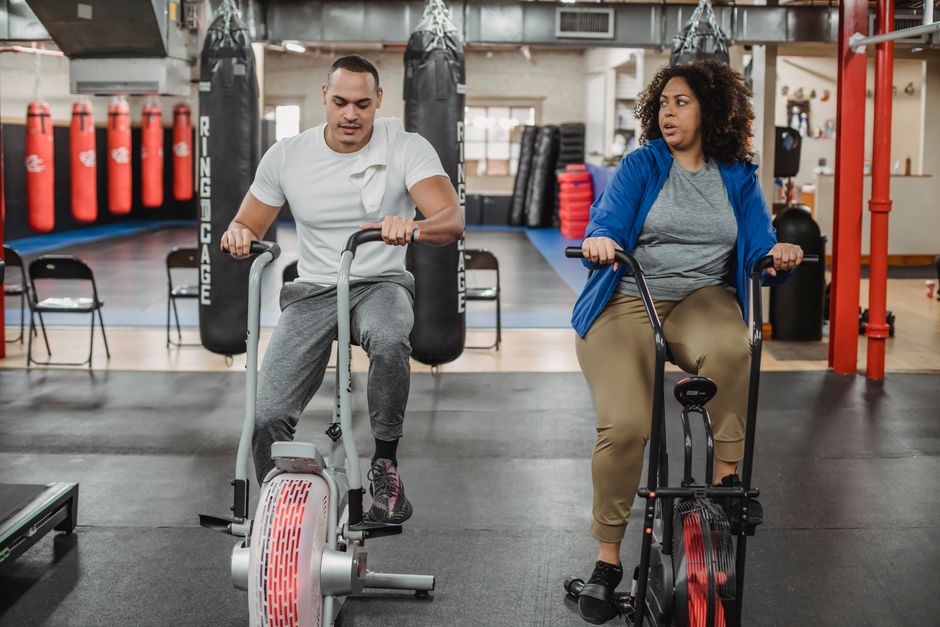
The beauty of indoor cycling lies in its simplicity. You don’t need fancy equipment or large spaces. Here’s what you’ll need to get rolling:
Essential Equipment
- Stationary Bike: The core of your workout. Choose from upright bikes, spin bikes, or recumbent bikes. (See below for a buying guide.)
- Comfortable Workout Clothing: Wear moisture-wicking, breathable materials. Padded cycling shorts can enhance comfort.
- Supportive Shoes: Athletic shoes are fine for most beginners; some bikes use SPD clips or toe cages for added support.
- Towel & Water Bottle: You’ll sweat. Stay hydrated and wipe down frequently!
- Optional: Heart rate monitor, exercise mat (for stretching/cool-down), small fan for ventilation, and wireless headphones for music or workout apps.
Stationary Bike Comparison Table (For Beginners)
| Type | Best For | Pros | Cons |
|---|---|---|---|
| Upright Bike | General fitness, smaller spaces | Compact, affordable, easy to use | Less natural riding position, may be less stable during standing intervals |
| Spin Bike | High-intensity & interval training | Real road bike feel, more customizable resistance | Heavier, can be expensive, not as comfortable for long rides |
| Recumbent Bike | Low-impact workouts & rehab | Very comfortable seat, back support | Bulkier, less intense, not ideal for standing rides |
Where to Set Up Your Cycling Area
- Choose a space with good airflow & enough room to safely mount/dismount your bike.
- Place your bike on a rubber mat or carpet to protect floors and minimize noise.
- Position near a window, fan, or air con – spinning heats up fast!
- Keep your essentials (water, towel, device) within easy reach.
How to Set Up Your Bike for Comfort & Efficiency
Bike setup is critical for injury prevention and optimizing your workout. Here’s how to get it right:
-
Saddle Height:
- Stand next to the bike. Saddle should align roughly with your hip bone.
- When sitting, your knee should be slightly bent (about 25-35° angle) when the pedal is at its lowest point.
-
Handlebar Height:
- Start with handlebars level with or slightly above the saddle. Higher bars are easier on the back for beginners.
-
Foot Placement:
- Ball of your foot should rest over the pedal axle. Use toe cages or clips if available.
-
Check Alignment:
- Knees should track directly above feet, not tipping in or pushing outward at the bottom of the pedal stroke.
Creating a Beginner-Friendly Indoor Cycling Routine

For sustainable weight loss and cardiovascular benefits, consistency beats intensity! Start with 2-4 sessions per week, each lasting 20 to 45 minutes. As your fitness improves, increase frequency or intensity, but always listen to your body.
Sample Beginner Indoor Cycling Workout Schedule
| Day | Workout Focus | Duration |
|---|---|---|
| Monday | Steady State Cardio | 30 min |
| Wednesday | Intervals (HIIT) | 25 min |
| Friday | Endurance Ride | 40 min |
| Optional: Sunday | Recovery (Low Resistance Spin) | 20 min |
Detailed Sample Workout 1: Classic Beginner Ride (30 Minutes)
- Warm-Up: 5 minutes easy pedaling, low resistance.
- Main Set:
- 2 min steady moderate pace
- 1 min faster pace (increase cadence or resistance)
- Repeat this 5x
- Cool Down: 5 minutes very light resistance, gentle pedaling.
Detailed Sample Workout 2: Basic HIIT Ride (25 Minutes)
- Warm-Up: 5 minutes low resistance
- Intervals: 8 rounds
- 30 seconds high intensity (fast, hard effort)
- 90 seconds easy recovery pace
- Cool Down: 5 minutes easy pedaling, stretch after!
Detailed Sample Workout 3: Endurance Build (40 Minutes)
- Warm-Up: 7 minutes at gentle pace
- Main Set:
- 3 x 7 minutes at moderate effort, 2 min easy spin between sets
- Cool Down: 5 minutes relaxing spin
How to Track Your Progress
- Keep a Workout Log: Record your session time, perceived effort, and any notes (like “felt strong today”).
- Monitor Heart Rate (Optional): Helps ensure you’re working at the right cardio intensity for fat loss.
- Track Calories Burned (Optional): Some bikes and fitness trackers estimate calories; don’t obsess, but use as a general gauge.
- Set Achievable Goals: Examples: “3 classes weekly for a month,” “increase to 40 min rides,” or “burn 500 active calories/session”
Weight Loss Tips: Maximizing Results with Nutrition
- Maintain a Calorie Deficit: Weight loss depends on burning more calories than you consume. Don’t starve – just watch portions.
- Prioritize Protein: Protein helps preserve muscle as you lose weight and keeps you feeling fuller.
- Stay Hydrated: Dehydration can stall performance and slow your metabolism.
- Choose Whole Foods: Limit processed snacks. Go for veggies, lean meats, whole grains, and healthy fats.
- Don’t Reward With Food: Avoid undoing your hard work by overeating after rides.
Sample Simple Nutrition Plan for Cyclists
| Meal | Example |
|---|---|
| Breakfast | Oatmeal with berries & eggs |
| Post-Workout Snack | Greek yogurt with a banana |
| Lunch | Grilled chicken salad with quinoa, veggies, olive oil/lemon |
| Snack | Carrot sticks & hummus, or cottage cheese |
| Dinner | Salmon, sweet potato, green beans |
Pros & Cons of At-Home Indoor Cycling
| Pros | Cons |
|---|---|
|
|
Beginner Mistakes to Avoid
- Poor Bike Setup: Wrong saddle height or handlebar placement can cause pain, numbness, or injury.
- Skipping Warm-Ups/Cool-Downs: Eases your body in/out, prevents tightness and soreness.
- Doing the Same Workout Repeatedly: Your body adapts! Vary resistance, pace, and workout type.
- Jumping Into High-Intensity Too Soon: Build a base before intense intervals to reduce risk of injury or burnout.
- Not Tracking Progress: Without a plan or progress log, it’s easy to stall or lose motivation.
- Neglecting Hydration: You can lose a lot of fluid through sweat indoors.
- Overgripping Handlebars: Leads to hand, wrist, or shoulder pain. Keep a light but steady hold.
Advanced Tips to Keep Improving
- Try Online Classes/Apps: Platforms like Peloton, Zwift, Apple Fitness+, or YouTube offer engaging classes to follow at home.
- Incorporate Interval Training: HIIT increases calorie burn and elevates metabolism for hours post-workout.
- Mix Up Intensities: Alternate between high-intensity, endurance, and recovery rides for better adaptation.
- Work on Cadence: Cadence = pedal revolutions per minute (RPM). Aim for 80-100 RPM on flat segments; 60-80 RPM uphill/resistance intervals.
- Challenge Yourself with Resistance: Gradually add resistance to overload your muscles and drive results.
- Monitor Heart Rate Zones: Use a tracker to ensure you’re training at the ideal intensity for burning fat or boosting endurance.
- Add Cross-Training: Complement cycling with strength training, stretching, or yoga to improve overall fitness and prevent imbalances.
- Rest and Recovery: Allow at least one full rest day weekly, and listen to your body to avoid over-training.
Frequently Asked Questions (FAQ)
Do I need a spinning (indoor cycling) bike to get results?
No, any stationary bike (upright, recumbent, or spin) works for beginners. A spinning bike offers a more “real ride” feel and variety, but basic bikes are perfectly effective.
How often should I do indoor cycling for weight loss?
Aim for 3-5 sessions per week, with at least 20-40 minutes per session. Combine with healthy nutrition for best results.
Is cycling at home as effective as in a studio?
Absolutely. At-home cycling can be just as effective for weight loss and cardio as studio classes. Consistency, effort, and progressive overload matter most.
Can indoor cycling build muscle?
It primarily builds endurance and tones the lower body (quads, glutes, hamstrings). For significant muscle gains, add resistance training off the bike.
What should my heart rate be during cycling?
For weight loss: 60-70% of your estimated max heart rate. For cardio endurance: 70-85%. Use the formula: 220 – your age = max HR (estimate). Example: Age 40, max HR is ~180 bpm. Weight loss zone = 108-126 bpm.
What if my butt hurts after cycling?
Common for beginners. Ensure correct saddle height/position, invest in padded shorts, and know that discomfort usually fades after a few sessions.
Can I use YouTube or fitness apps for cycling workouts?
Yes! There are thousands of free and paid classes with music, coaching, and variety to keep you motivated.
Is indoor cycling safe for my knees?
When set up correctly, cycling is low-impact and generally safe for knees. Always check with your doctor if you have pre-existing knee issues.
I’m very overweight – is it okay to start with cycling?
Yes. Indoor cycling is excellent for beginners of all sizes, as it reduces load on joints.
Conclusion: Your Road to Fitness Starts Now!
Starting indoor cycling at home is a game-changer for weight loss, cardio health, and convenience. With the right equipment, proper bike setup, and a beginner-friendly routine, you’ll establish healthy habits and see empowering results in both your body and confidence. Remember, the journey matters as much as the destination – stay consistent, keep things fun, and celebrate every milestone along your ride!
Ready to Start?
- Set up your bike and gear tonight.
- Choose your starter routine from above and schedule your very first ride.
- Track your progress, stay hydrated, and never hesitate to revisit this guide for tips or motivation. You’ve got this!
Now, pedal toward your goals – one ride at a time!
```


0 Comments