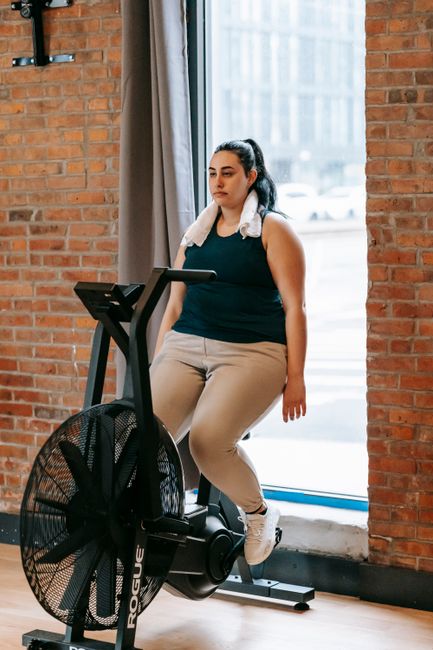
**Beginner’s Guide: Low Impact HIIT Workouts at Home for Weight Loss**

```html Beginner’s Guide: Low Impact HIIT Workouts at Home for Weight Loss

Beginner’s Guide: Low Impact HIIT Workouts at Home for Weight Loss

Are you searching for an effective, beginner-friendly way to lose weight and improve your fitness without stressing your joints or spending hours at the gym? You’ve just discovered the answer: low impact HIIT workouts you can do conveniently at home! Whether you’re just starting your fitness journey, returning after an injury, or seeking a fast-track to burning calories, this complete guide gives you everything you need to succeed.

What is Low Impact HIIT?

HIIT stands for High-Intensity Interval Training, a form of workout that alternates short bursts of intense effort with periods of rest or lower intensity activity. The “low impact” twist means you avoid exercises that pound your joints. The result is a workout that’s just as efficient for fat loss and fitness, but much kinder to your knees, ankles, and back.

How Does HIIT Work?

During a HIIT session, you elevate your heart rate and burn significant calories by performing exercises at high-intensity for short intervals (usually 20-45 seconds) followed by brief recovery periods. Low impact HIIT swaps out moves like jumping and sprinting for joint-friendly alternatives—think marching, stepping, and controlled movements.

Why Choose Low Impact HIIT for Weight Loss?

  • Gentler on Joints: No jumping, no jarring—just effective, safe movement.
  • Builds Strength and Endurance: Engage major muscles and elevate your heart rate.
  • Short Workouts, Big Results: Most low impact HIIT sessions last just 15-30 minutes.
  • Zero Equipment Needed: Bodyweight moves mean you can start today.
  • Perfect for Busy Schedules: Squeeze in fat-burning workouts even on the busiest days.

Benefits of Low Impact HIIT at Home

Benefit Description
Weight Loss Burn calories quickly and boost metabolism after exercise (“afterburn effect”).
Improved Fitness Increase cardiovascular endurance and muscular strength.
Time Efficient Short workouts fit even the busiest schedules.
Flexible & Fits All Levels Ideal for beginners, those with injuries, or anyone looking for low-impact options.
Convenience No gym needed—work out wherever you are!
Reduced Injury Risk No jumping means less stress on knees, ankles, and back.

Who Should Try Low Impact HIIT?

  • Beginners starting their fitness journey
  • Anyone with a history of joint pain or injury
  • People returning to exercise after a break
  • Older adults or those seeking safe workouts
  • Anyone looking for an efficient way to burn fat and lose weight

What Makes a HIIT Workout “Low Impact”?

Low impact doesn’t mean “easy” – you’ll still work up a sweat and burn calories. However, you avoid high-impact movements like:

  • Jump squats
  • Burpees with jumps
  • Sprinting in place
  • Mountain climbers with hops
  • Box jumps

Instead, you select moves where at least one foot is always on the ground, and the speed and intensity come from pushing your effort, not pounding your joints.

Key Components of a Beginner Low Impact HIIT Workout

  • Warm-up: 5 minutes to gradually raise your heart rate and prevent injury
  • High Intensity Interval: 20-40 seconds of work, challenging but doable
  • Recovery: 20-60 seconds of rest or gentle movement
  • Repeat: 3-8 rounds, depending on your fitness level
  • Cool Down + Stretch: End with 5 minutes to ease your heart rate back down

Sample Low Impact HIIT Workout Routine (No Equipment)

Here’s a simple template you can start with, taking breaks as needed. Listen to your body—if you’re just starting, it’s okay to take extra rest or reduce the number of rounds.

Exercise Duration Rest
March or Step in Place with High Knees 30 seconds 30 seconds
Bodyweight Squats (slow and controlled) 30 seconds 30 seconds
Standing Side Leg Lifts 30 seconds 30 seconds
Stationary Reverse Lunges 30 seconds 30 seconds
Knee Push-Ups or Wall Push-Ups 30 seconds 30 seconds
Seated or Standing Punches (fast, controlled) 30 seconds 30 seconds

Repeat for 2-4 rounds depending on your level. Always finish with cool-down stretches.

Best Low Impact HIIT Exercises for Beginners

  • Marching in place with arm swings
  • Lateral step taps (side-to-side)
  • Standing overhead reaches
  • Modified jumping jacks (step out, not jump)
  • Heel digs
  • Chair or wall sit
  • Step-back lunges
  • Slow mountain climbers (step, not hop)
  • Standing or seated back rows (with or without light weights)
  • Core: Standing knee lifts with twists

Beginner Mistakes to Avoid

  1. Skipping the Warm-Up: Cold muscles = higher injury risk. Always prepare your body.
  2. Pushing Too Hard, Too Soon: Starting with too much intensity or too many rounds can lead to burnout or injury. Ease in, progress over time.
  3. Ignoring Form: Rushing through reps can compromise form. Move with control, even if it means slower reps.
  4. Neglecting Recovery: Rest is part of HIIT. Use breaks to let your heart rate and breathing recover.
  5. Not Hydrating: Even short HIIT sessions cause you to sweat—drink water before and after.
  6. Underestimating the “Low Impact” Burn: Expect to feel challenged! Low impact does not mean low results.
  7. Sticking to the Same Routine Forever: Your body adapts. Change up moves every few weeks for continued progress.

Progression: How to Advance Your Low Impact HIIT Workouts

  • Increase the length of your work intervals gradually (from 20 to 45 seconds)
  • Shorten your rest intervals as you get fitter
  • Add extra rounds/sets
  • Incorporate light dumbbells or resistance bands
  • Try new exercises that challenge balance or core engagement
  • Add a second or third HIIT session to your weekly routine
  • Boost the speed or range of motion (while maintaining form)

Pros and Cons of Low Impact HIIT for Weight Loss

Pros Cons
  • Accessible for all fitness levels
  • Minimal equipment needed
  • Efficient fat loss in short sessions
  • Reduces risk of joint injury
  • Enhances cardiovascular and muscular endurance
  • Great for busy individuals
  • Some may find it less exhilarating than high-impact HIIT
  • Weight loss relies on consistent effort and good nutrition
  • If intensity is too low, calorie burn may decrease
  • May need creativity to keep workouts fresh

Low Impact HIIT for Every Goal: Customizing Your At-Home Workouts

For Weight Loss

  • Focus on larger muscle groups (legs, glutes, back) for higher calorie burn
  • Keep intensity challenging but safe—use “rate of perceived exertion” (RPE) of 7-8 out of 10 during work intervals
  • Pair workouts with a balanced, calorie-conscious diet for optimal results

For Beginners/Recovery

  • Start with 15-20 minute sessions, 2-3x per week
  • Focus on slow, controlled movement and form
  • Prioritize consistency over intensity in the beginning

For Building Strength

  • Add resistance (dumbbells, minibands, backpacks filled with books)
  • Emphasize squats, lunges, push-ups, and slow tempo movements
  • Gradually increase challenge as muscles adapt

For Heart Health

  • Maintain continuous movement during rest intervals (“active recovery” like gentle marching)
  • Try longer intervals (up to 45 seconds of work)
  • Incorporate upper and lower body movements together

Advanced Tips for Getting the Most Out of Low Impact HIIT

  • Monitor Your Intensity: Use a fitness watch, heart rate monitor, or your own breath and sweat as clues.
  • Prioritize Form Over Speed: Proper technique brings better results and fewer injuries.
  • Use Music or Timers: Keep yourself motivated and on track—try HIIT timer apps.
  • Mix Up Moves Weekly: Try different low impact HIIT exercises for variety and continued challenge.
  • Incorporate Mobility: Finish with stretches or dynamic mobility drills to restore balance and aid recovery.
  • Track Progress: Keep a workout log—note time, rounds, and energy levels to see improvements.
  • Fuel Smart: Eat a light snack 1-2 hours before HIIT, and hydrate well. Prioritize proteins, complex carbs, and veggies in your weight loss plan.

Sample 4-Week Beginner’s Low Impact HIIT Plan

Week Sessions Intensity/Notes
Week 1 2 x HIIT (15 min), 2 x walks Focus on form and complete all rounds at lower intensity
Week 2 2 x HIIT (20 min), 2 x walks Increase work intervals to 30 sec, add 1 more round if comfortable
Week 3 3 x HIIT (20-25 min), 1-2 x walks Add a new exercise or boost pace in work intervals
Week 4 3 x HIIT (25 min), 1-2 x walks/active recovery Keep challenging yourself but prioritize rest & recovery if needed

Note: Adjust pacing, rest, and number of rounds depending on your body’s response.

FAQ: Low Impact HIIT at Home for Weight Loss

Is low impact HIIT as effective as regular HIIT for losing weight?

Yes—when done correctly, low impact HIIT can provide similar calorie burn and cardiovascular benefits as traditional HIIT. The key is to challenge yourself during work intervals and combine workouts with healthy nutrition.

How many times a week should I do low impact HIIT for weight loss?

2-4 sessions per week is ideal for most beginners. Combine HIIT with activities like walking, cycling, or gentle yoga to support overall movement and recovery.

Do I need any equipment?

Not at all! Bodyweight exercises are enough. You may add resistance bands or dumbbells as you progress, but they aren’t required to start.

What if I have bad knees or a previous injury?

Low impact HIIT is often recommended for those with joint concerns. Choose exercises that feel comfortable, skip any that cause pain, and always listen to your body. Consult a physical therapist if unsure.

Can I do low impact HIIT every day?

While you might be tempted, it’s important to give your body time to recover. HIIT is intense, even when low-impact, so alternate with gentler activities or rest days.

How soon will I see results?

Visible results depend on consistency, diet, and starting point. Many beginners notice improved mood, energy, and fitness within 2-4 weeks, and visible weight loss changes in 4-8 weeks.

I feel like I’m not sweating much—is it working?

Sweat isn’t the only indicator of a good workout. Focus on raising your heart rate and feeling challenged—you’ll get stronger and fitter!

Can I modify HIIT even further?

Absolutely! Try seated exercises, wall push-ups, or slower pace as needed. The most important thing is to move safely and consistently.

Checklist: How to Get Started with At-Home Low Impact HIIT

  1. Get medical clearance if you have any health conditions or concerns
  2. Set up a safe, clear workout space with supportive shoes and a floor mat
  3. Choose 4-6 low impact exercises from the lists above
  4. Decide your work/rest intervals (e.g., 30 seconds on, 30 seconds off)
  5. Play motivating music or use a HIIT timer app
  6. Warm up for 5 minutes before each session
  7. Perform your routine, listening to your body and resting as needed
  8. Finish with cool down stretches
  9. Track your workout and progress to stay motivated

Conclusion

Low impact HIIT offers a beginner-friendly roadmap to weight loss, improved fitness, and total body confidence—without risking injury or investing in pricey equipment. In as little as 15-30 minutes a few times a week, you can boost your metabolism, sculpt your body, and feel stronger than ever before.

The key is consistency: start with simple moves, master your form, and listen to your body’s cues. As you grow stronger and fitter, you can add variety and challenge to your at-home HIIT sessions.

Ready to begin? Lace up, clear some space, and start moving—your transformation starts now!

Further Reading and Tools

  • Search “HIIT timer apps” for convenient interval tracking
  • Visit reputable YouTube channels for guided low impact HIIT videos
  • Consult with a certified trainer (virtually or in-person) for personalized routines
  • Prioritize a balanced diet—combine exercise with healthy eating habits

Quick Links

```

Post a Comment

Previous Post Next Post