
Beginner Yoga & Meditation at Home: Easy Routine for Stress Relief
In today’s fast-paced world, maintaining mental wellness is just as critical as taking care of our physical health. Yoga and meditation have proven time and again to be powerful tools for combating stress, encouraging mental clarity, and enhancing overall wellbeing. But how do you actually start a beginner-friendly yoga and meditation routine at home, especially if you're new to it all? This comprehensive guide offers simple steps, practical tips, and inspiring advice to help you embark on your journey toward stress relief and better mental health—all in the comfort of your own home.
Why Choose Yoga and Meditation for Stress Relief?
Yoga and meditation are centuries-old practices known to harmonize the body and mind. Numerous scientific studies highlight their ability to reduce stress, alleviate anxiety, and promote emotional balance. Here’s how they work:
- Yoga: Combines physical postures (asanas), breathing exercises (pranayama), and mindfulness to release physical tension and quiet a racing mind.
- Meditation: Focuses mental energy, encourages self-awareness, and cultivates a calming presence that counteracts daily stressors.
Both practices are accessible, adaptable, and, best of all, can be done right at home—no fancy equipment or expensive memberships required.
Benefits of Yoga & Meditation for Mental Health

- Reduces cortisol (the stress hormone) levels
- Improves focus and clarity of thought
- Supports emotional regulation
- Decreases symptoms of anxiety and depression
- Enhances sleep quality
- Boosts overall resilience and wellbeing
Getting Started: Setting Up Your Home Yoga & Meditation Space
You don't need a lot of space or elaborate props to start practicing yoga and meditation at home. The key is consistency and intention. Here’s how to prepare your environment:
- Choose a Quiet Spot: Select a spot where you won’t be interrupted. A corner of your living room, bedroom, or balcony can work perfectly.
- Gather Minimal Equipment: At minimum, you’ll need a yoga mat and comfortable clothing. Optional equipment includes a cushion, blanket, or yoga blocks for support.
- Set the Mood: Soft lighting, pleasant scents (like incense or essential oils), and calming music can enhance your experience. Even a tidy, clutter-free space helps.
- Schedule a Regular Time: Consistency is vital. Set a time—morning or evening—when you are least likely to be disturbed.
Home Yoga & Meditation Essentials Table
| Item | Purpose | Alternatives |
|---|---|---|
| Yoga Mat | Cushions joints, prevents slipping | Towel, carpet |
| Comfortable Clothing | Unrestricted movement | Any stretchy clothes |
| Blanket/Cushion | Support for meditation, seated poses | Pillow, folded towel |
| Yoga Blocks | Support and modification of poses | Books, sturdy boxes |
| Calming Music/Incense | Enhances relaxation | N/A |
Beginner-Friendly Yoga Routine for Stress Relief

For beginners, short and gentle sequences work wonders for both body and mind. The routine below combines gentle stretching, mindful breathing, and simple postures. No extreme flexibility needed!
Sample 20-Minute Yoga Routine
- Easy Seated Pose & Centering (2 min): Sit comfortably, close your eyes, and take 10 deep breaths. Bring awareness to your body.
- Neck & Shoulder Rolls (2 min): Gently roll your shoulders, tilt your head side to side, releasing tension.
- Cat-Cow Stretch (3 min): From hands and knees, arch and round your back in rhythm with your breath. Excellent for spinal health and relaxation.
- Child’s Pose (2 min): Sit back on your heels, stretch arms forward, and allow your forehead to rest on the mat. Breathe deeply.
- Downward-Facing Dog (2 min): Lift hips into an inverted V-shape, pressing through hands and feet. Pedal your feet to stretch calves and hamstrings.
- Standing Forward Fold (2 min): Stand, fold forward, let arms hang. Sway gently and release any residual tension.
- Seated Spinal Twist (2 min): Sit with legs extended, bend one knee over the other, and gently twist. Switch sides.
- Reclined Butterfly (2 min): Lie on your back, bring soles of feet together, let knees fall out, and relax.
- Savasana (Relaxation) (3 min): Lie flat, close your eyes, relax every muscle, and focus on your breath.
Beginner Yoga Poses and Their Benefits
| Pose | Benefit | Duration |
|---|---|---|
| Child’s Pose (Balasana) | Calms mind and relieves tension in the body | 1-3 min |
| Cat-Cow Stretch (Chakravakasana) | Improves spinal flexibility, eases back tension | 1-2 min |
| Downward Dog (Adho Mukha Svanasana) | Stretches and strengthens whole body, energizes | 1-2 min |
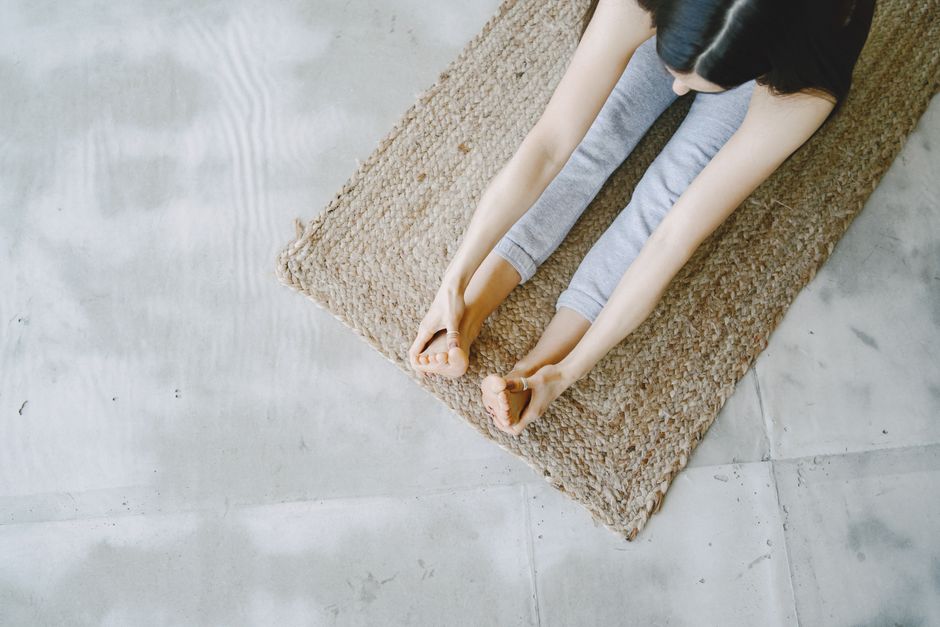
| Seated Forward Fold (Paschimottanasana) | Relieves anxiety, stretches spine and hamstrings | 1-2 min |
| Savasana (Corpse Pose) | Deep relaxation, integrates benefits of practice | 2-5 min |
A Simple Meditation Guide for Beginners
Meditation doesn’t require hours of sitting or mystical experiences—just a few focused minutes are enough to reap immense stress-relieving benefits.
5-Minute Mindfulness Meditation Routine
- Find a Comfortable Seat: Sit on a chair or cushion. Keep your spine relaxed yet upright.
- Close Your Eyes or Lower Your Gaze: Rest hands gently on your lap or knees.
- Focus on Your Breath: Inhale slowly through the nose, exhale gently. Notice the sensation of breath.
- Observe Sensations: It’s normal for thoughts to arise; acknowledge them, then return awareness to your breath.
- Finish Gently: When your timer rings, open your eyes. Notice how you feel.
Types of Beginner-Friendly Meditation
- Breath Awareness: Concentrate on the rhythmic flow of breathing.
- Body Scan: Guide focus sequentially through each part of your body, observing sensations without judgment.
- Guided Meditation: Use an app, video, or recording. Great for those who benefit from structured guidance.
- Loving-Kindness (Metta): Focus on cultivating feelings of goodwill and compassion toward yourself and others.
Pros and Cons of Practicing Yoga and Meditation at Home
| Pros | Cons |
|---|---|
|
|
Common Beginner Mistakes and How to Avoid Them
- Trying to Do Too Much Too Soon: Start with short, easy routines. Consistency is more important than intensity.
- Ignoring Pain or Discomfort: Yoga should never hurt. Back off or modify poses as needed.
- Skipping the Warm-Up or Cool Down: Prepares your body for movement and enhances relaxation post-practice.
- Comparing Yourself to Others: Every body is different. Focus on your own progress.
- Not Setting a Regular Practice Time: Routine builds habit and ensures long-term benefits.
- Expecting Instant Results: Improvements in flexibility, strength, and stress levels come with time and regular effort.
- Striving for Perfection: You're learning! Instead, appreciate the journey and celebrate your commitment.
Advanced Tips for Enhancing Your Routine
- Explore Different Styles: Try Hatha for slowness, Vinyasa for flow, Yin for deep stretching, or Restorative for maximum relaxation.
- Use Online Classes or Apps: Guided lessons add variety, structure, and accountability (Yoga With Adriene, Insight Timer, Headspace, Calm).
- Journal After Practice: Reflect on how you feel, track mental shifts and areas of progress.
- Gradual Progression: Once comfortable, slowly extend your practice time or introduce slightly more challenging poses or meditation styles.
- Pair With Healthy Habits: Complement your routine with good sleep, nutrition, and self-care for greater mental health benefits.
- Practice Breathwork (Pranayama): Techniques like box breathing or alternate nostril breathing enhance calm and focus.
- Set Intentions or Affirmations: Begin your practice by identifying what you need today—calm, clarity, self-acceptance, etc.
How Often Should You Practice Yoga and Meditation?
- For Beginners: Aim for 2-3 yoga sessions and 3-5 brief meditation sessions per week. Even 10 minutes is beneficial.
- Consistency Over Perfection: Regular practice builds mental resilience and physical benefits faster than sporadic bursts of intensity.
- Listen to Your Body: Rest as needed, and never push through significant discomfort.
Building Your Own Home Routine: Step-by-Step
1. Set a Clear Intention
Ask yourself: What do I want to achieve? Less stress? Improved mood? Pick a goal to shape your practice journey.
2. Start Small & Simple
Commit to 10-20 minutes. Choose 4-5 basic yoga poses and a 5-minute meditation. Simplicity leads to sustainability.
3. Add Mindful Elements
Incorporate breathwork, gratitude, or intentional relaxation. Quality over quantity.
4. Review & Adjust Regularly
Reflect weekly: What’s working? Where do you need more support? Modify routines to keep them fresh and engaging.
Example Weekly Yoga & Meditation Schedule
| Day | Yoga | Meditation |
|---|---|---|
| Monday | Gentle stretch (20 min) | Mindful breath (5-10 min) |
| Tuesday | Rest or walk | Body scan (5 min) |
| Wednesday | Flow sequence (30 min) | Guided meditation (10 min) |
| Thursday | Restorative yoga (20 min) | Mindful breath (5 min) |
| Friday | Beginner flow (20 min) | Savasana relaxation (10 min) |
| Saturday | Gentle yoga (15 min) | Loving-kindness (5 min) |
| Sunday | Rest or outdoor movement | Reflective journaling (5 min) |
Frequently Asked Questions (FAQ)
- Q: Do I need to be flexible to start yoga?
- A: Not at all. Yoga is designed to improve flexibility over time. Begin where you are and focus on gentle movements—progress comes naturally.
- Q: How soon can I expect to feel less stressed?
- A: Many people report feeling calmer after just one session, but ongoing stress reduction depends on regular practice. Results build cumulatively.
- Q: What if I get distracted during meditation?
- A: Distraction is normal. Gently redirect your focus to your breath each time you notice your mind wandering, without judgment.
- Q: Can I practice yoga and meditation every day?
- A: Yes, but listen to your body. Even a brief daily routine is safe for most beginners. Rest or alternate styles as needed.
- Q: What are the best free resources for at-home yoga and meditation?
- A: Popular options include YouTube channels like Yoga With Adriene, DoYogaWithMe, and meditation apps like Insight Timer and Smiling Mind.
- Q: Should I eat or drink before my routine?
- A: Practice on an empty stomach or at least 1-2 hours after a meal for maximum comfort.
Final Thoughts: Empower Your Mind & Body at Home
Initiating a beginner-friendly yoga and meditation routine at home is one of the most accessible, rewarding, and transformative journeys you can embark on for your mental health. You don’t need the perfect body or ideal conditions. What matters most is showing up, even on your messiest, busiest days. Over time, these modest yet powerful practices will gift you clarity, resilience, and a calmer, more balanced life.
Ready to start? Step onto your mat, close your eyes, and take a deep breath. Your journey to stress relief and inner peace begins today.
Take Action: Your Next Steps
- Set up your at-home practice space with a mat and minimal distractions.
- Choose a yoga and meditation schedule that fits your routine.
- Start with the recommended 20-minute routine and 5-minute meditation.
- Explore free guided resources for support and inspiration.
- Reflect each week on your progress and celebrate every step!
Your commitment to this simple, beginner-friendly home practice is an act of profound self-care.
```

0 Comments