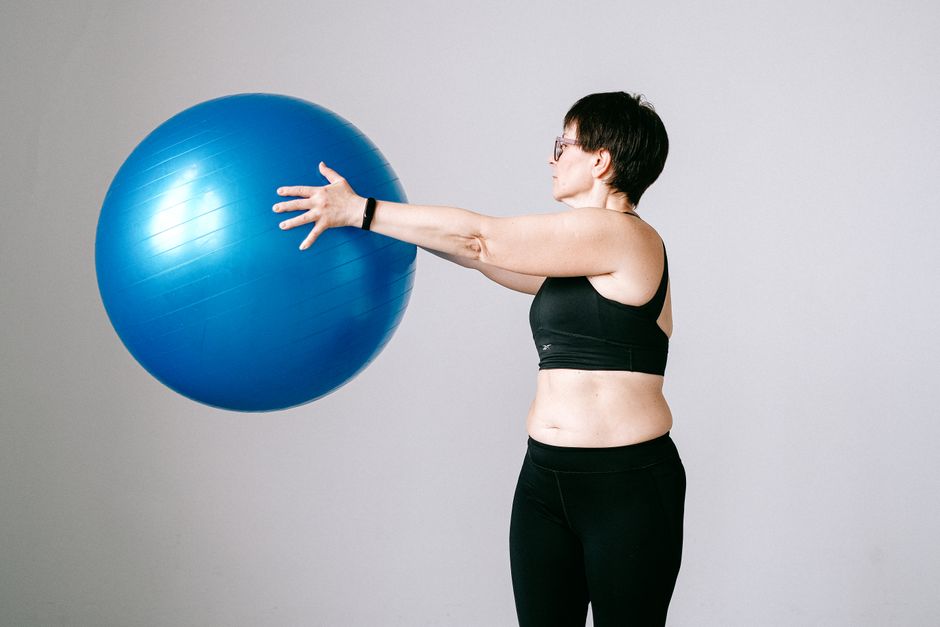
Beginner Balance Training at Home: Easy Routine for Stability & Fall Prevention
Ever feel wobbly or unsteady on your feet? Worried about losing your balance as you age—or simply seeking to boost your athletic performance? Balance training isn’t just for athletes or dancers. In fact, it’s one of the most overlooked yet essential aspects of fitness, keeping you steady during daily activities, improving your posture, and helping prevent dangerous slips and falls.
The best part? You don’t need an expensive gym membership, fancy equipment, or hours of spare time. With the right beginner techniques and a consistent home routine, you can dramatically improve your stability in just a few weeks.
This comprehensive guide will walk you through the basics of balance training, including its benefits, easy-to-follow exercises, a full sample routine, key mistakes to avoid, expert tips, and answers to frequently asked questions. Ready to stand tall, steady, and strong? Let’s get started!
Why Balance Training Matters
Balance is the foundation of all movement. Whether you're navigating a busy sidewalk, playing with grandchildren, or reaching for something on a high shelf, good balance is key. Research shows that as we age, balance naturally declines—leading to an increased risk of falls, which are the leading cause of injury in older adults.
Major Benefits of Balance Training
- Fall Prevention: Reduces risk of injuries at home and outdoors.
- Improved Daily Function: Assists with activities like walking, bending, and turning.
- Enhanced Posture: Promotes body alignment and reduces back/neck pain.
- Increased Coordination: Helps with sports, dancing, and even gardening or shopping.
- Strength and Mobility: Supports joint health and muscle tone.
- Confidence: Makes you more self-assured in every movement you make.
Who Should Try Balance Training?
- Seniors or middle-aged adults wishing to stay active and independent
- Anyone recovering from injury or surgery
- Beginners starting a workout journey
- Athletes seeking better performance
- People with balance issues from conditions like vertigo, neuropathy, or MS (under doctor’s guidance)
Understanding Balance: The Basics
Balance is more than just standing on one foot without falling over. It’s a complex interaction between your muscles, joints, brain, and nervous system. When you move, these components work together to help you stay upright and coordinated.
| Component | Role in Balance |
|---|---|
| Core muscles | Stabilize spine and pelvis; anchor your movement |
| Leg strength | Helps maintain upright position and control movement |
| Proprioception | Body’s sense of its position in space (joint and muscle feedback to the brain) |
| Vision & inner ear | Provide orientation and sense of balance |
| Reflexes & reaction time | Allow quick adjustments when shifting or stumbling |
What Makes a Good Beginner Balance Routine?
- Includes simple exercises, using household items or body weight
- Targets different aspects of stability: static (stillness), dynamic (movement), and coordination
- Requires little space and minimal or no equipment
- Is safe and adaptable for all fitness levels
- Can be completed in under 20 minutes
Essential Beginner Balance Exercises (No Equipment Needed)
Before you begin: Always have a study chair or countertop nearby for support, especially as a beginner. Do these exercises barefoot or in shoes with good grip. Start slowly and stop if you feel dizzy or unsafe.
1. Single Leg Stand
- Stand tall, feet hip-width apart, hands by your sides (or gently holding a chair for support).
- Lift one foot a few inches off the ground without leaning.
- Balance for 10-30 seconds, staring at a fixed point in front of you.
- Repeat on the other leg.
Perform 2-3 sets per leg, increasing time as you gain confidence.
2. Heel-to-Toe Walk (Tandem Walk)
- Stand upright, with your feet in line, one in front of the other (heel touching toes).
- Walk forward 10 steps, heel to toe, focusing on a smooth and controlled stride.
- Use a wall or chair for balance if needed.
- Turn around and repeat back.
Repeat 2-3 times.
3. Marching in Place
- Stand upright with feet hip-width apart.
- Slowly raise one knee to waist height while balancing on the other foot.
- Alternate legs in a slow, controlled march for 30-60 seconds.
Do 2-3 sets.
4. Side Leg Lifts
- Stand behind a chair, holding the backrest for support.
- Keep your torso straight, slowly lift one leg out to the side as high as comfortable, keeping toes pointing forward.
- Lower slowly.
- Do 10-15 repetitions per leg.
Aim for 2-3 sets per leg.
5. Clock Reach
- Stand tall and imagine you are in the center of a clock face.
- Balance on your left leg, reach your right foot forward to 12 o’clock, then to 3 o’clock, then backward to 6 o’clock, tapping the floor lightly at each “hour.”
- Return to start; switch legs.
Repeat 2-3 times per side, switching between legs.
6. Sit-to-Stand
- Sit on a sturdy chair with your feet flat on the ground.
- Cross your arms or keep hands lightly on thighs.
- Rise to a standing position without using hands, then sit back down slowly.
- Repeat for 10-15 reps.
Perform 2 sets.
Sample 20-Minute Beginner Balance Training Routine (At Home)
Warm up: March in place and gently swing your arms for 2-3 minutes.
Then complete one set of each exercise below. Repeat the circuit twice if able.
| Exercise | Reps/Duration | Rest |
|---|---|---|
| Single Leg Stand | 10-30 sec/leg | 15 sec |
| Heel-to-Toe Walk | 10 steps x2 | 15 sec |
| Marching in Place | 30-60 sec | 15 sec |
| Side Leg Lifts | 10-15 ea. | 10 sec |
| Clock Reach | 2x per leg | 15 sec |
| Sit-to-Stand | 10-15 reps | 10 sec |
Total time: About 20 minutes (including rests and warm-up)
Tips for Success: Make the Most of Your Balance Training
- Always use a sturdy chair or support if needed, especially when starting.
- Focus on slow, controlled movement—quality over quantity is key!
- Pick a regular time of day to exercise for consistency (ex: after breakfast or before dinner).
- Train barefoot (if safe and comfortable), as shoes can mask subtle balance errors.
- Progress gradually: Increase duration, decrease support, or try more challenging versions as you get stronger.
- Pay attention to your form; don’t lock knees or lean excessively.
- Breathe steadily—never hold your breath during balance exercises.
- Add background music if it motivates you, but avoid distractions until you’re confident in your technique.
- Listen to your body: If you ever feel unsafe, dizzy, or in pain, stop and seek professional advice.
Pros & Cons of Home Balance Training
| Pros | Cons |
|---|---|
|
|
Common Beginner Mistakes (And How to Avoid Them)
- Skipping Warm-Up: Always warm up joints and muscles, even for short sessions.
- Ignoring Safety: Never train near slippery floors, rugs, or sharp edges. Use support until confident.
- Rushing Movements: Quick, jerky motions reduce effectiveness and increase risk of falls. Go slow!
- Training Only One Side: Always work both left and right sides evenly to prevent imbalances.
- Lack of Progression: Make exercises more challenging over time—try closing your eyes, using a less stable surface, or reducing hand support as you improve.
- Neglecting Core Strength: Your core stabilizes every movement. Add in planks and core work for faster gains.
- Poor Posture: Maintain upright posture (chest tall, shoulders down) to avoid reinforcing bad habits.
- Inconsistent Training: Practice at least 2-3 times per week for best results.
- Ignoring Medical Advice: If you have a history of dizziness, imbalance, or medical conditions, consult your doctor or physiotherapist before starting.
How to Progress Your Balance Routine (Advanced Tips)
- Try exercises with eyes closed to challenge proprioception (only if safe and ready).
- Train on an unstable surface: use a pillow, folded towel, or balance pad for added difficulty.
- Add light weights or resistance bands to simple moves.
- Combine movements: For example, perform a side leg lift while standing on a soft surface or march in place while bouncing a ball.
- Increase duration or number of sets gradually.
- Incorporate yoga or tai chi routines, which are great for dynamic balance.
- Try functional challenge drills: walking sideways, backward, or in a figure-eight pattern.
- Set small, achievable goals—such as standing on one leg for 60 seconds or mastering the clock reach without support.
- Regularly reassess your routine to keep things interesting and effective.
Balance Training FAQ (Frequently Asked Questions)
How often should I do balance training as a beginner?
Aim for at least two to three days per week. Daily short sessions (10-15 minutes) work even better, as balance thrives on regular practice.
How long does it take to improve balance?
Many people notice improvements in coordination, confidence, and leg/core strength within three to four weeks with consistent practice. However, progress varies. Be patient and keep at it!
Can I do these exercises if I have arthritis or joint pain?
Yes, many balance exercises are joint-friendly and low-impact. Avoid any move that causes pain, and consult a healthcare professional for a tailored plan if needed.
What should I do if I feel dizzy while training?
Stop immediately. Sit down, hydrate, and rest. If dizziness persists or occurs frequently, consult your doctor.
Are there any equipment options for advanced balance training?
Yes! Once comfortable, tools like BOSU balls, wobble boards, or resistance bands can add challenge and variety. Always progress slowly.
Can children or teens benefit from balance training?
Absolutely. Balance exercises help kids improve coordination, athletic skills, and body awareness. Make sure routines are playful, age-appropriate, and supervised.
Can balance training help with sports performance?
Definitely! Better balance translates to improved agility, speed, and injury prevention in almost every sport—from soccer to golf, tennis to running.
Should I consult a professional before starting?
If you have a history of falls, medical concerns, or current injuries, it's best to talk to your doctor or a physical therapist before starting any new balance routine.
Resources for Further Reading & Progression
- CDC STEADI (Stopping Elderly Accidents, Deaths & Injuries) Patient Fact Sheets
- NHS Balance Exercises Guide
- American Physical Therapy Association: Balance & Fall Prevention
Conclusion: Stand Tall, Steady, and Strong
Adding balance training to your fitness routine doesn't require dramatic changes or intimidating moves. With a handful of simple exercises and a commitment to regular practice, you can reclaim confidence in every step, protect yourself from falls, and enhance your overall health. Remember: balance is not a destination, but a lifelong journey. Start today, and enjoy a safer, more stable tomorrow!
Summary Table: Key Points in Beginner Balance Training
| Aspect | Recommendation |
|---|---|
| Frequency | 2-3x/week (daily is best) |
| Equipment | None needed (chair/support optional) |
| Safety | Always train near support; work on non-slip surfaces |
| Progression | Increase duration; decrease support; use advanced variations |
| Benefits | Reduced fall risk, greater confidence, better mobility & posture |
Post a Comment