

Beginner Power Walking at Home: Easy Weight Loss & Heart Health
Are you searching for a simple, effective, and absolutely beginner-friendly way to lose weight and improve your heart health? Power walking at home may be your answer. This comprehensive guide will walk you through everything you need to know—from what power walking is and why it works, to step-by-step routines, pro tips, and common mistakes to avoid. Whether you’re new to exercise or just looking for something doable in your own living room, this article has you covered.
What is Power Walking?
Power walking is a form of cardiovascular exercise that involves walking briskly while maintaining good posture and technique. It falls between normal walking and jogging in terms of intensity and is suitable for almost all ages and fitness levels. Unlike regular walking, power walking emphasizes a faster pace, swinging arms, and purposeful movement, all contributing to greater calorie burn and cardiovascular benefits.
Benefits of Power Walking

1. Effective for Weight Loss
Power walking increases your heart rate, burns more calories than casual walking, and helps reduce body fat. Combined with a healthy diet, it’s a realistic and sustainable approach for people of all sizes and ages.
2. Cardiovascular Health
Regular power walking can help lower blood pressure, improve cholesterol levels, enhance circulation, and strengthen your heart. Even 20-30 minutes a day can make a measurable difference.
3. Low Impact
Unlike running, power walking is easy on the joints and has a lower risk of injury. It’s a top choice for beginners, older adults, and those recovering from injuries.
4. Accessible and Flexible
One of the biggest advantages is that you don’t need any fancy equipment, a gym membership, or a lot of space. A hallway or living room is enough.
5. Mental Well-being
Power walking has positive effects on mood, stress reduction, and overall mental health due to the release of endorphins and the meditative rhythm of movement.
Is Power Walking at Home Effective?
Absolutely! While many people associate walking with the outdoors, power walking can be adapted to home environments with amazing results. The key lies in intention, form, and consistency. You can easily reach your fitness goals by using pacing, adding variety, and supplementing with simple home equipment if desired.
Comparison Table: Power Walking vs. Other Cardio Workouts
| Exercise | Calories Burned (per 30 min, 155lbs) | Impact Level | Equipment Needed | Suitable for Beginners |
|---|---|---|---|---|
| Power Walking | 140-180 | Low | None | Yes |
| Jogging | 260 | Moderate to High | None | Sometimes |
| Aerobic Step | 210 | Moderate | Step Platform | Yes |
| Dancing | 150-200 | Moderate | None | Yes |
| Elliptical | 200 | Low | Machine | Yes |
How Does Power Walking Promote Weight Loss?
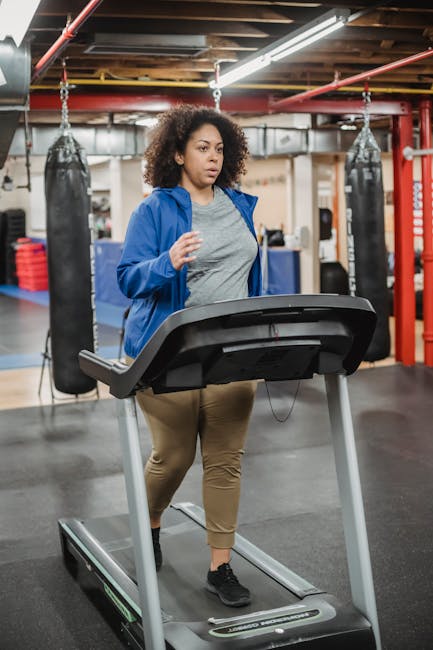
- Increases Calorie Burn: The brisk pace and arm movements raise your heart rate, so you burn more calories than regular walking.
- Boosts Metabolism: Regular cardio, like power walking, elevates your metabolic rate, helping you burn more calories even at rest.
- Fat Utilization: Consistent aerobic exercise encourages your body to use fat stores for energy.
- Supports Lean Muscle: Engaging large muscle groups through walking helps preserve lean muscle mass, which is vital for a healthy metabolism.
Preparing for Your Home Power Walking Routine
1. Find Your Space
You don’t need a track or treadmill. Clear an area—such as a hallway, living room, or patio—where you can walk safely back and forth or in a circle.
2. Wear Comfortable Clothing
- Loose, breathable clothes
- Supportive sneakers with good grip
- Moisture-wicking socks (optional, but helps prevent blisters)
3. Stay Hydrated
Have a water bottle nearby, especially if your session is longer than 20 minutes.
4. Music or Podcasts
Create a playlist or listen to your favorite podcast for motivation and enjoyment.
5. Set a Goal
- Time-based (e.g., 30 minutes)
- Step count (use a pedometer or phone app)
- Intervals (e.g., alternate 2 minutes fast, 1 minute moderate)
Beginner-Friendly Power Walking Routine at Home
Sample Week-by-Week Plan
| Week | Frequency | Session Duration | Main Focus |
|---|---|---|---|
| 1 | 3x/week | 15-20 min | Form, consistency, comfort |
| 2 | 4x/week | 20-25 min | Increase pace, add music |
| 3 | 5x/week | 25-30 min | Intervals, raise intensity |
| 4 | 5-6x/week | 30+ min | Consistency, add variety |
Step-by-Step Home Power Walking Workout
-
Warm-Up (3-5 minutes):
- March in place at an easy pace
- Roll your shoulders, swing your arms gently
- Alternate knee lifts and toe taps
-
Main Workout (15-25 minutes):
- Walk briskly back and forth or in a loop
- Pump your arms, keeping elbows bent at 90 degrees
- Focus on heel-to-toe motion
- Maintain a pace where talking is possible, but singing is not easy
Option: Every 3-5 minutes, increase pace for 1 minute, then return to brisk pace. Repeat.
-
Cool Down (3-5 minutes):
- Gradually slow your pace
- Finish with gentle stretching (calves, thighs, hamstrings, arms)
Power Walking Technique Tips for Maximum Results
- Stand Tall: Keep your head up, looking forward (not at your feet). Engage your core.
- Swing Your Arms: Bend elbows at about 90 degrees and swing arms naturally, opposite to your legs.
- Stride: Land on your heel, roll through the foot, and push off with your toes.
- Breathe Rhythmically: Inhale through your nose, exhale through your mouth.
- Increase Pace Gradually: Focus on faster steps, not longer strides to avoid overstriding and stress on the joints.
How to Progress and Stay Motivated
1. Incremental Goals
- Add an extra 5 minutes to your sessions each week.
- Introduce mini-challenges: “How many steps in 10 minutes?”
2. Use Technology
- Apps like Google Fit, Apple Health, or Samsung Health to track steps and time.
- Wearable devices (smartwatch, fitness band) for motivation.
3. Vary Your Routine
- Try music genres or podcasts for variety.
- Add light hand weights for extra resistance.
- Change up walking directions or patterns (zig-zags, circles).
4. Stay Accountable
- Tell a friend or family member your goals.
- Join online walking communities or challenges.
Common Beginner Mistakes (and How to Avoid Them)
-
Doing Too Much Too Soon:
- Start with short sessions and gradually increase duration and pace.
- Listen to your body and allow rest days.
-
Poor Footwear:
- Using old or non-supportive shoes increases risk of injury.
- Invest in comfortable, cushioned walking shoes if possible.
-
Ignoring Form:
- Maintain upright posture and active arm swing.
- Don’t slouch or drag your feet; focus on heel-to-toe rolls.
-
Skipping Warm-up/Cool-down:
- Always start with a gentle warm-up and finish with a cool-down to prevent injury and soreness.
-
Lack of Consistency:
- Sticking to a schedule is critical for progress—aim for at least 3-5 sessions per week.
Pros & Cons of Home Power Walking
| Pros | Cons |
|---|---|
|
|
Advanced Tips for Experienced Beginners
- Include Intervals: Alternate 1 minute fast pace (as fast as you can walk) with 2 minutes moderate pace.
- Add Resistance: Use 1-2 lb hand weights or wrist weights to engage your upper body.
- Stair Intervals: If you have access to stairs, incorporate 1-2 flights every 10 minutes.
- Dynamic Moves: Add moves such as side steps, high knees, or butt kicks during your walk.
- Longer Sessions: Progressively build up to 45-60 minutes for greater calorie burn.
- Monitor Heart Rate: Use a fitness tracker to stay within your target heart rate zone for cardio benefits.
FAQ: Power Walking for Beginners
How fast should I walk for power walking?
The general power walking pace is around 4-5 mph, but at home focus on a brisk pace where you can talk but not comfortably sing. The important thing is to maintain speed and form, not exact mileage.
Can I lose weight by power walking at home?
Yes! Power walking burns substantial calories. When paired with healthy eating, it leads to gradual and sustainable weight loss—usually 0.5 to 2 lbs per week, depending on your overall activity and diet.
Do I need special equipment?
No. Supportive shoes and comfortable clothes are enough. Optional extras include pedometers, fitness bands, or small hand weights.
Is power walking safe for everyone?
Power walking is very safe for most people. If you have a pre-existing medical condition or have been inactive for a long time, consult your doctor before starting any new exercise routine.
What if I only have 10-15 minutes?
Any movement is better than none! A 10-minute power walk adds up over the week. The consistency of shorter bouts can lead to significant health improvements.
How soon will I see results?
Most people notice increased energy and mood within the first week. Visible weight loss and fitness improvements typically show in 4-8 weeks of consistent power walking coupled with healthy habits.
Is it normal to get sore when starting out?
Mild soreness is common, especially if you’re new to exercise. Start slowly, stretch afterwards, and ensure you’re wearing supportive shoes. Soreness should diminish as your body adapts.
Making Your Home Power Walking Routine a Habit
- Schedule Sessions: Treat walking like any important appointment and set specific times.
- Create Rituals: Begin and end every session with the same warm-up/cool-down music or mantra.
- Track Progress: Use a journal or app to track duration, step count, and even how you feel.
- Reward Yourself: Celebrate milestones—new shoes, healthy treat, or self-care time.
Conclusion: Your Best Path to Weight Loss & Heart Health
Power walking at home is one of the simplest, safest, and most effective ways to improve your health—no matter your starting point. With little to no equipment and minimal space needed, it’s the perfect introduction to fitness for beginners and a great staple for everyone. By following this guide, setting realistic goals, and staying consistent, you’ll soon experience increased energy, better mood, weight loss, and a healthier heart. Lace up your shoes, put on your favorite playlist, and take the first step toward a healthier you—all from the comfort of home!
Further Resources and Inspiration
- CDC Physical Activity Basics
- American Heart Association: Walking for a Healthy Heart
- NHS: Walking for Health
Related Topics
- Power Walking Gear: What You Really Need (and Don’t) for Home Workouts
- How to Create a Simple Walking Routine: Sample Weekly Plans for Beginners
- Motivation Hacks: Sticking With Your At-Home Power Walking Goals



0 Comments