

Beginner Outdoor Bodyweight Circuit: Burn Fat & Boost Cardio Fast
Are you ready to supercharge your fitness journey, shed unwanted pounds, and take your endurance to new heights—all without stepping foot in a gym? Outdoor bodyweight circuit training is your ticket to a fitter, leaner, and more energetic you. This in-depth guide explains everything you need to know to start a beginner-friendly outdoor bodyweight circuit workout, designed for weight loss and improved cardiovascular fitness. Whether you are completely new to exercise or looking to shake up your current routine, this article has you covered with practical advice, sample routines, expert tips, and common mistakes to avoid.
Why Choose Outdoor Bodyweight Circuits?
There’s something invigorating about breaking free from the walls of a gym and training under the open sky. Outdoor workouts offer a host of advantages, especially when it comes to bodyweight circuit training for beginners:
- No Equipment Needed: Your body is your gym. All you need is some open space—a park, a backyard, a beach, or a quiet urban square.
- Fresh Air, Vitamin D: Exercising outdoors exposes you to sunlight (hello, vitamin D!) and fresh air, which can boost mood and energy levels.
- Improved Motivation: Changing scenery and connecting with nature reduce boredom, making you more likely to stick to your routine.
- Cardio & Strength: Circuits elevate your heart rate and build lean muscle at the same time, tackling fat loss and fitness in one swift move.
- Adaptable for Any Fitness Level: Whether you’re a total newbie or getting back into exercise, bodyweight circuits can be scaled to your ability.
Understanding Bodyweight Circuit Workouts

A bodyweight circuit is a sequence of exercises performed one after another, with little to no rest between. Circuits can be designed for specific goals—fat loss, muscle toning, cardio improvements, or all three.
The Science Behind Circuits for Weight Loss & Cardio
The combination of resistance and aerobic training in circuits creates a metabolic demand that burns calories during and after your workout (the afterburn effect). Rapid transitions between movements keep your heart rate elevated, improving cardiovascular fitness while enhancing fat-burning potential.
- Fat Loss: High-intensity intervals and total-body movements burn more calories and support lean muscle retention.
- Cardio Fitness: Consistent elevated heart rates train your heart and lungs to work more efficiently, boosting stamina and endurance.
Preparing for Your First Circuit: What You’ll Need
Before diving in, a little preparation will help you make the most of your outdoor circuit workout.
- Comfortable Attire: Wear breathable, weather-appropriate activewear and supportive footwear.
- Water Bottle: Stay hydrated, especially if temperatures are high.
- Towel or Mat: Optional—a towel or mat is great for grassy or rough surfaces, especially for floor exercises.
- Timer or Stopwatch: Many smartphones have built-in timer apps, perfect for tracking work and rest periods.
- Positive Mindset: Approach every exercise and every circuit as a step toward a healthier you.
How to Design Your Beginner Bodyweight Circuit
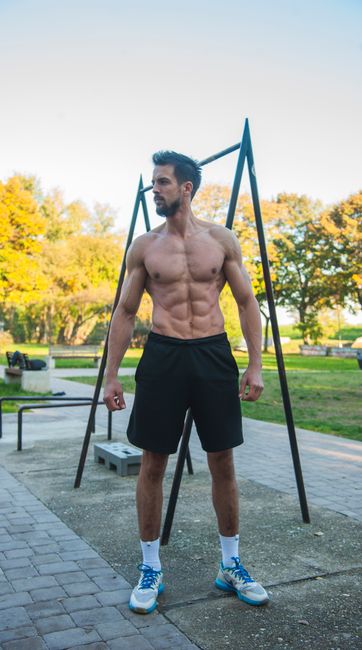
The best beginner outdoor circuits stick to simple, multi-joint movements that activate multiple muscle groups, raise your heart rate, and are easy to learn. Here's how to get started:
Basic Circuit Structure
- Pick 5-7 exercises that work different areas (upper body, lower body, core, cardio).
- Perform each exercise for a set amount of time (e.g., 30 seconds) or repetitions (e.g., 10-15 reps).
- Move quickly from one exercise to the next, minimizing rest (aim for 15-30 seconds).
- Complete all moves once (that’s one round), then rest for 1-2 minutes.
- Repeat the circuit 2-4 times, depending on your fitness level.
Let’s put this into action with a sample routine!
Sample Beginner Outdoor Bodyweight Circuit
Exercise List & Instructions
| Exercise | Main Muscles Targeted | Instructions |
|---|---|---|
| Bodyweight Squats | Legs, Glutes | Stand with feet hip-width apart. Lower your hips back and down as if sitting, keeping chest lifted. Return to start. |
| Push-Ups (regular or on knees) | Chest, Shoulders, Arms, Core | Place hands shoulder-width apart, body in a straight line. Lower chest to ground, then press up. Modify on knees if needed. |
| Step-Ups | Legs, Glutes | Find a stable bench or step. Step up with one foot, bring other to meet it, step down and repeat, alternating legs. |
| Plank | Core, Shoulders | Forearms on ground, body in a straight line. Hold your abs tight; don’t let hips sag. |
| Walking Lunges | Legs, Glutes | Step forward with one leg and lower into a lunge, keeping front knee behind toes. Push through heel and step forward, repeat on other leg. |
| Mountain Climbers | Cardio, Core, Shoulders | Start in push-up position. Drive knees toward your chest quickly while keeping core tight and back flat. |
| Jumping Jacks | Cardio, Full Body | Jump legs out and arms over head simultaneously, then return. Keep pace brisk. |
Step-By-Step Workout Plan
Here's a basic routine formatted for beginners. Adjust work/rest times to match your current fitness:
- Warm-up: 5 minutes (brisk walk, arm circles, leg swings, gentle jogging)
- Circuit:
- Bodyweight Squats – 30 seconds
- Push-Ups (on knees if needed) – 30 seconds
- Step-Ups – 30 seconds (use a bench, curb, or sturdy rock)
- Plank – 20 seconds (build up to 30+ over time)
- Walking Lunges – 30 seconds
- Mountain Climbers – 30 seconds
- Jumping Jacks – 30 seconds
- Rest: 1-2 minutes after completing all exercises
- Repeat Circuit: 2-4 times (work your way up as fitness improves)
- Cool-Down: 5 minutes (slow walking, deep breathing, light stretching)
Progression: How to Make Your Circuits Challenging Over Time
As you grow stronger and fitter, it’s important to make your workouts more challenging to keep seeing results. Here are safe ways to progress:
- Increase number of circuits (e.g., from 2 to 3 or 4 rounds)
- Increase work periods (e.g., 30 seconds to 40 or 45 seconds per move)
- Decrease rest periods between exercises or rounds
- Try more advanced variations (e.g., regular push-ups instead of knee push-ups)
- Add explosive moves (e.g., squat jumps in place of regular squats, if your joints are healthy)
Pros and Cons of Outdoor Bodyweight Circuits
| Pros | Cons |
|---|---|
|
|
Common Beginner Mistakes (And How to Fix Them!)
- Doing Too Much, Too Soon: Start with fewer rounds and basic move variations. Ramp up gradually.
- Ignoring Warm-Ups & Cool-Downs: Skipping these raises your risk of injury and soreness. Always take time to warm up and cool down.
- Poor Form: Prioritize movement quality over speed or repetitions—bad form leads to injury and less results.
- Not Listening to Your Body: Some discomfort is normal, but sharp pain or ongoing fatigue isn’t. Rest if needed.
- Inconsistent Routine: Consistency is key; try for 2-4 sessions per week for best results.
- Neglecting Water and Sun Protection: Bring water, wear sunscreen, and choose shaded areas if it’s hot out.
Tips to Succeed with Outdoor Bodyweight Circuits
- Pick scenic locations to enhance motivation and enjoyment.
- Invite a friend or join a local outdoor fitness group for accountability.
- Keep workouts short but intense—quality matters more than duration.
- Track your progress (rounds completed, number of reps per exercise, total workout time).
- Mix up circuits every few weeks to avoid plateaus and boredom.
- Focus on full-body, compound movements for maximum calorie burn.
- Pair your workouts with a balanced, nutritious diet for the fastest results.
Advanced Tips (As You Grow Stronger)
- Add Plyometric Moves: Incorporate squat jumps, burpees, or lunge jumps when you’re ready for high-intensity intervals.
- Try Hybrid Circuits: Add sprints or running between rounds, or include hill work for an extra challenge.
- Fuse with Mobility Training: Mix in yoga or dynamic flexibility drills to improve movement quality.
- Use the Environment: Monkey bars for pull-ups, park benches for dips and incline push-ups, stairs for sprints.
- Play with Timing: Try EMOM (every minute on the minute) or Tabata intervals for higher intensity.
FAQ: Everything You Want to Know About Outdoor Bodyweight Circuits
How often should I do outdoor bodyweight circuit workouts?
For beginners, aim for 2-4 sessions per week with rest or light movement (walking, gentle yoga) between. As you build endurance, you can increase frequency or intensity as desired.
Can I lose weight just with bodyweight circuits?
Yes! When combined with a calorie-controlled, nutritious diet, bodyweight circuits are incredibly effective for fat loss. They boost your metabolism, burn calories, and help you retain muscle as you lose weight.
What if I can't do all the exercises or reps?
No problem. Modify any movement to match your fitness level (do knee push-ups, reduce plank time, skip jumping if needed). Focus on consistency and gradual improvement.
What should I eat before and after a circuit workout?
Eat a light, balanced meal 1-2 hours pre-workout (like a banana and nut butter, or yogurt and fruit). Afterward, fuel recovery with protein and carbs (like a smoothie or chicken sandwich) and rehydrate well.
Is it safe for people with joint issues?
Many bodyweight exercises are joint-friendly, but always check with your doctor. Avoid high-impact moves (jumping) if you have knee, ankle, or hip concerns, and opt for controlled, slow movements.
Can I do these workouts indoors if the weather is bad?
Definitely. Move your circuit into a living room or garage if you have enough space. The same routine works wherever you are!
Putting It Together: Your First Four Weeks
Here’s a simple progression plan to get you started on your journey:
| Week | Circuits | Work Time | Rest Between Exercises | Rest Between Rounds |
|---|---|---|---|---|
| 1 | 2 | 30 s (or 10-12 reps) | 30 s | 90 s |
| 2 | 2-3 | 35 s | 25 s | 80 s |
| 3 | 3 | 40 s | 20 s | 70 s |
| 4 | 3-4 | 45 s | 15 s | 60 s |
Adjust as needed. You’re in control!
Conclusion: Take the First Step Today
Outdoor bodyweight circuits are an approachable, effective, and fun way for beginners to lose weight and enhance heart health—no gym or special equipment required. By following the strategies and tips outlined in this guide, you’ll build a routine that’s not just sustainable, but also genuinely enjoyable. Remember to progress at your own pace, focus on proper form, and savor the benefits of fresh air and movement.
Lace up those sneakers, step outside, and start your first circuit today—you’ve got nothing to lose but stress, fatigue, and those extra pounds!
Resources & Next Steps
- Set a specific goal (fat loss, improved endurance, stress relief) to stay motivated.
- Check out local parks or green spaces with benches and steps.
- Track your progress with a workout journal or app.
- Consider pairing your workouts with a simple nutrition plan for even faster results.
- When you’re ready, experiment with intermediate and advanced circuit routines.
Ready for more? Bookmark this guide, share with a friend, and check back for more expert fitness content!
Related Topics
- Essential Tips to Prepare for Your First Outdoor Bodyweight Circuit Session
- Top Five Beginner-Friendly Moves to Include in Your Outdoor Fat-Burning Circuit
- How to Track Progress and Stay Motivated with Outdoor Bodyweight Workouts


0 Comments