
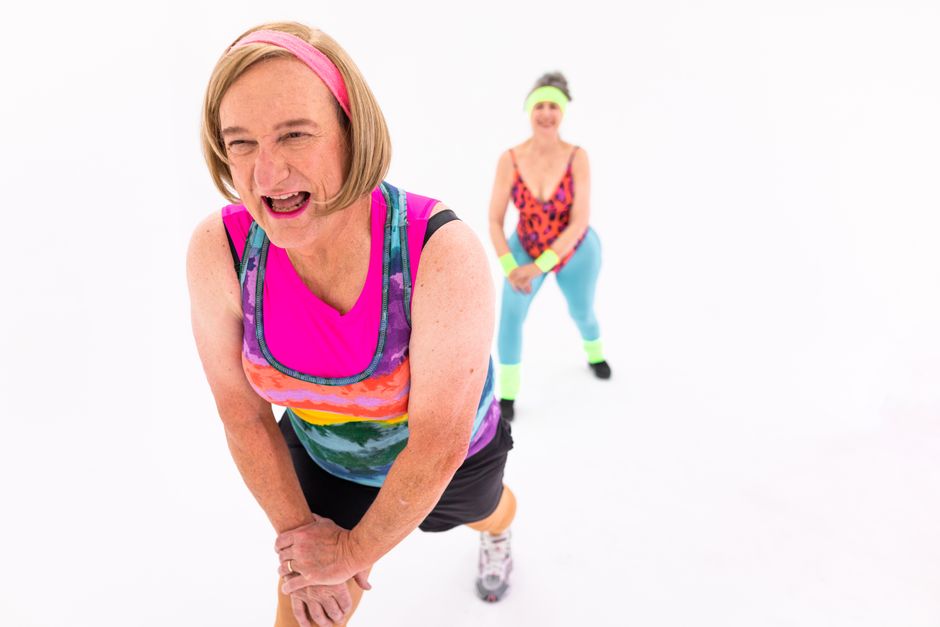
Beginner Low Impact Dance Workout at Home: Fun & Easy Weight Loss
Are you searching for an enjoyable, beginner-friendly way to lose weight right from the comfort of your own living room? Low impact dance workouts are the perfect choice! Combining fitness and fun through easy-to-follow moves, these routines help you burn calories, tone muscles, and boost your mood—without putting stress on your joints. This comprehensive guide will walk you through starting a low impact dance workout at home, from the basics and routines to tips and FAQs. Get ready to turn up the music, let loose, and dance your way to a healthier, happier you!
Why Choose Low Impact Dance Workouts?
Low impact dance workouts are uniquely suited for beginners, people with joint concerns, or those looking for a stress-free way to get active. Let’s explore the key reasons why this style of workout might be your ideal fitness choice.
Benefits of Low Impact Dance Workouts
- Gentle on Joints: No jumping, pounding, or sharp movements—perfect for anyone with knee, hip, or back concerns.
- Accessible for All Ages: Suitable for young adults, seniors, or anyone returning to exercise after a break.
- Fun and Engaging: Enjoy your favorite music as you exercise, increasing motivation and consistency.
- Boosts Cardiovascular Health: Improves heart health and stamina with sustained, rhythmic movement.
- Calorie Burn for Weight Loss: Consistent routines support healthy weight loss and body fat reduction.
- Improves Coordination and Balance: Dance challenges both your mind and body, enhancing coordination and agility.
- Reduces Stress and Improves Mood: Dancing releases endorphins, helping you feel happier and more energized.
Low Impact vs. High Impact: What’s the Difference?
| Low Impact Dance | High Impact Dance |
|---|---|
| Steady movements with at least one foot on the ground at all times | Includes jumps, hops, and leaps |
| Lower stress on joints | Higher stress on joints |
| Suitable for beginners, seniors, those with injuries | Best for active, experienced individuals |
| Reduced risk of injury | Potential for greater calorie burn but increased injury risk |
How Does Dance Support Weight Loss?
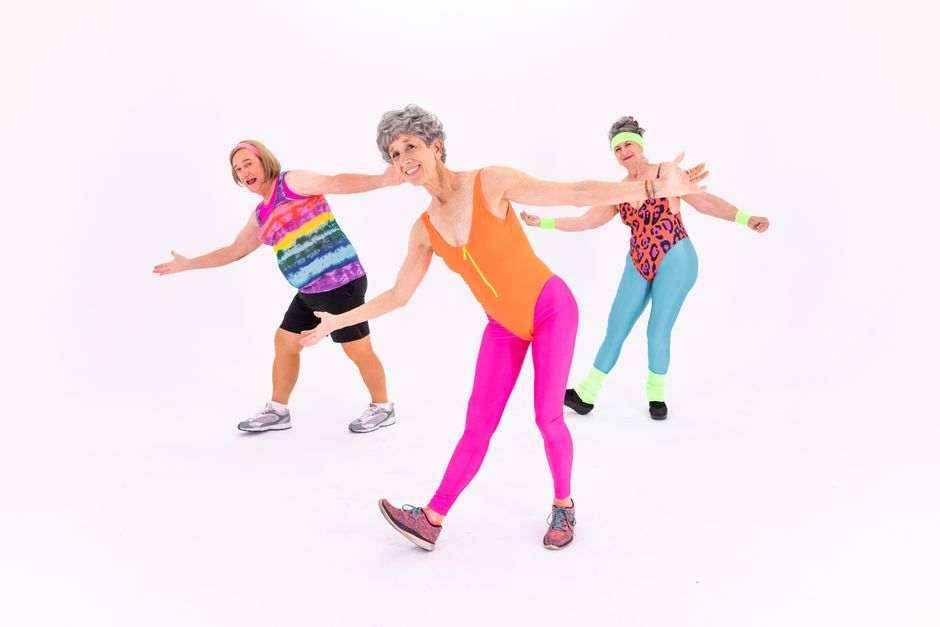
Dance is an effective cardio workout, raising your heart rate, burning calories, and engaging multiple muscle groups at once. Here’s how dance helps you shed pounds:
- Calorie Burn: Consistent movement keeps your heart rate elevated, burning 200–400 calories per hour, depending on intensity.
- Full-Body Activation: Most dance moves work your legs, core, arms, and back—all in one session.
- Boosts Metabolism: Building muscle through repeated movement helps increase your basal metabolic rate.
- Reduces Boredom: Because dance is fun, you’re more likely to stick with it long-term, leading to sustained weight loss.
Average Calorie Burn by Dance Style (per 30 mins)
| Dance Style | Calories Burned |
|---|---|
| Low Impact Dance (Zumba Gold, Beginner Aerobics) | 150–200 kcal |
| Salsa (Moderate Pace) | 180–250 kcal |
| Hip-Hop (Low Intensity) | 180–220 kcal |
Note: Actual burn varies by body weight, gender, effort, and fitness level.
Setting Up Your At-Home Dance Workout
Before beginning your dance workout routine, setting up your space and gathering essentials will make your experience enjoyable and safe.
What You’ll Need
- Comfortable workout clothes: Opt for breathable fabric and flexible fits.
- Supportive sneakers: Shoes with good arch support and flexibility help prevent slips and injuries.
- Open space: Clear at least a 6-by-6 foot area, moving rugs, furniture, and fragile items.
- Music or online video access: Have a playlist ready or stream beginner dance workout videos.
- Water bottle and towel: Staying hydrated and wiping away sweat keeps you going strong.
How to Prepare Your Space
- Find a flat, even surface with good traction.
- Remove tripping hazards (wires, furniture pieces, pets!)
- Ensure adequate lighting to see your moves and follow along with videos.
- Consider the time of day and choose a time when you won’t be interrupted for better focus and consistency.
Planning Your Beginner Low Impact Dance Workout Routine

Not sure how to start? Begin with short, manageable sessions and gradually increase the duration and intensity as you gain skill and confidence.
Sample Weekly Schedule for Beginners
| Day | Activity |
|---|---|
| Monday | 20 min Low Impact Dance + 5 min Stretch |
| Tuesday | Rest or light walk |
| Wednesday | 20-30 min Dance + 5 min Core Routine |
| Thursday | Rest or flexibility/stretching work |
| Friday | 25 min Dance + 5 min Strength (bodyweight squats, lunges) |
| Saturday | Fun Dance Free-Style (Let loose to your favorite songs!) |
| Sunday | Rest or light stretching |
Duration and Frequency: What's Ideal?
- Start with 15–20 minutes: This is manageable for most beginners and reduces overwhelming fatigue.
- Aim for 3–5 days per week: Consistency is key for weight loss and building a healthy habit.
- Gradually increase to 30+ minutes: As your fitness improves, longer sessions mean more calories burned.
Popular Low Impact Dance Styles for Beginners
There is a wide range of dance styles that fit into a low-impact workout routine. You don’t need a dance background—just enthusiasm and a willingness to move!
Beginner-Friendly Low Impact Dance Styles
- Low-Impact Zumba or Zumba Gold: Latin-inspired routines with modified steps and no jumping.
- Dance Aerobics: Classic workout classes set to upbeat music, focusing on simple step patterns.
- Line Dancing: Simple choreographed steps that repeat, often set to pop or country music.
- Hip-Hop Lite: Slowed-down hip-hop moves without jumps or floorwork.
- Jazzercise: Blends jazz dance, resistance training, Pilates, yoga, and kickboxing—all at a beginner level.
- Ballet-Inspired Dance Fitness: Barre moves combined with gentle dance flows for balance and strength.
Where to Find Guided Low Impact Dance Workouts
- YouTube: Search for “beginner low impact dance workout” or “no jumping dance fitness.”
- Fitness Apps: Apps like “FitOn,” “Daily Burn,” or “Obé Fitness” feature low impact classes.
- DVDs and Streaming Services: Many offer beginner workout series featuring dance instructors.
Core Moves: Low Impact Dance Steps for Beginners
Mastering a handful of simple dance steps will make every routine more approachable. Here are common moves found in beginner classes:
Basic Moves and How to Perform Them
- Step Touch:
- Step right leg to the side, then bring left foot to meet it.
- Reverse direction and repeat, swinging your arms gently in sync.
- Grapevine:
- Step right to side, left foot crosses behind, step right again, tap left foot next to right.
- Repeat in the other direction.
- Knee Lifts:
- March in place, then lift right knee, then left, raising arms overhead or to the side as you lift each knee.
- V-Step:
- Step forward to the right (wide), then forward to the left (wide), then back to right (narrow), then back to left (narrow), making a V pattern with your feet.
- Mambo Step:
- Step forward with right, rocking weight forward, then back onto left, and return right next to left. Repeat on the other side.
- Box Step:
- Step forward with right, left foot steps forward; right steps right, left foot returns to start. Repeat, switching leads.
Structuring Your At-Home Dance Workout Session
For the best experience and results, structure your sessions to include a warm-up, core dance segment, and a cooldown.
Typical Session Breakdown
| Segment | Duration | Purpose |
|---|---|---|
| Warm-up | 5–7 min | Prepare muscles, gradually raise heart rate, prevent injuries |
| Main Dance Routine | 15–25 min | Burn calories, elevate heart rate, practice dance moves |
| Cooldown | 3–5 min | Lower heart rate, stretch, aid recovery |
Tips for an Effective Warm-Up
- Start with light marching in place or step-touch for 2–3 minutes.
- Add gentle arm swings, hip circles, and shoulder rolls.
- Sneak in low-impact versions of moves you’ll use in the main workout.
Sample Beginner Low Impact Dance Workout Routine
Try this easy-to-follow 20-minute routine to boost your confidence and burn calories:
5-Minute Warm-Up
- March in place (1 min)
- Step touch side to side (1 min)
- Grapevine (30 sec each way x 2)
- Gentle arm circles and reach overhead (1 min)
- Knee lifts with arm swings (1 min)
12-Minute Low Impact Dance Segment
- 2 mins: V-Step with arm swings, alternating directions
- 2 mins: Step touch with claps and shoulder rolls
- 2 mins: Grapevine with overhead reach
- 2 mins: Mambo step with front toe taps
- 2 mins: Knee lifts with alternating hands touching opposite knee
- 2 mins: Freestyle—dance to your favorite upbeat song, focusing on keeping at least one foot on the ground
3-Minute Cooldown
- Slow march in place (1 min)
- Gentle side bends and overhead stretch (1 min)
- Calf stretch and deep breaths (1 min)
Beginner Mistakes to Avoid
Getting started with home dance workouts can be exciting, but watch out for these common pitfalls that can dampen your experience or cause injury:
- Skipping your warm-up or cooldown: These are essential for protecting muscles and joints.
- Pushing too hard, too soon: Start at your own pace to prevent soreness or burnout.
- Wearing the wrong footwear: Shoes with poor grip or worn-out soles can lead to slips and joint pain.
- Not hydrating enough: Even low impact routines can cause sweating. Keep water by your side.
- Comparing yourself to pros online: Everyone learns at their own pace—progress, not perfection!
- Ignoring form for speed: Focus on clean, controlled movements instead of rushing through steps.
Advanced Tips for Better Results
Ready to step up your dance workout? Use these advanced strategies:
- Add light weights or wrist/ankle bands: Extra resistance increases calorie burn and builds strength.
- Incorporate interval training: Alternate between slower and faster tempos for a higher calorie burn.
- Experiment with new music genres: Changing up your playlist adds excitement and challenges your coordination.
- Practice choreography: Memorizing and mastering short routines sharpens your memory and keeps your brain active.
- Track your progress: Use a fitness tracker or note how many minutes you dance each week to stay motivated.
Pros and Cons of At-Home Low Impact Dance Workouts
| Pros | Cons |
|---|---|
|
|
Frequently Asked Questions (FAQ)
Can I lose weight with only low impact dance workouts?
Yes! Consistency is key. Combined with a balanced diet, low impact dance will help create the calorie deficit necessary for weight loss. Try to pair workouts with mindful eating and adequate hydration for the best results.
How often should I do low impact dance workouts for weight loss?
Aim for at least 3–5 sessions a week, 20–30 minutes each. As you get fitter, increase frequency and duration—or intensity—if desired.
Do I need previous dance experience?
Not at all. Low impact routines are designed for beginners, with basic moves that are easy to learn and enjoyable at any age.
What if I have bad knees or previous injuries?
Low impact routines are joint-friendly, but always check with your doctor or physical therapist before starting a new exercise program. Modify any move that causes discomfort, and avoid twisting or high-reaching steps if needed.
How can I stay motivated at home?
- Create a dedicated workout space you enjoy using.
- Reward yourself (with non-food treats!) for sticking to your schedule.
- Join online dance fitness communities for support.
- Invite family or friends to dance with you via video call or at home.
Can kids or seniors join in?
Absolutely! Just be sure to adjust the routine, duration, and pace for all fitness and age levels, and supervise younger children so they move safely.
Making Low Impact Dance Workouts a Sustainable Habit
Enjoying your routine helps you stick with it. Here are some strategies to make your at-home workout practice sustainable long-term:
- Keep it social: Use technology for virtual classes or set up regular dance sessions with friends and family.
- Set small goals: Focus on consistency, not perfection, and celebrate milestones (such as finishing your first month!)
- Regularly update your playlist: Fresh music energizes your practice and adds excitement each session.
- Listen to your body: Rest when needed, and adapt routines if you’re sore or tired.
- Jot down your progress: A workout journal helps you see how far you’ve come and where you want to go next.
Conclusion: Dance, Sweat, Smile, Repeat!
Starting a low impact dance workout at home is one of the most enjoyable, beginner-friendly paths to weight loss and improved health. By focusing on fun, accessible movement, you’re more likely to stick with your plan, boost your mood, and see lasting results. Remember, every session is an achievement—so keep moving, keep smiling, and let the music move you closer to your goals. You’ve got this!
Related Topics
- Beginner-Friendly Dance Moves to Kickstart Your Low Impact Workout Routine at Home
- How to Create a Weekly Low Impact Dance Schedule for Sustainable Weight Loss
- Tips for Staying Motivated and Having Fun with At-Home Low Impact Dance Workouts


0 Comments