

Start Beginner Step Aerobics at Home: Easy Cardio for Weight Loss
Are you searching for an easy, effective, and fun way to lose weight and boost your heart health from the comfort of home? Step aerobics might be just what you need! This low-impact yet powerful cardio workout is accessible to beginners and requires minimal equipment. In this comprehensive guide, we’ll walk you step by step (pun intended!) through starting a beginner-friendly step aerobics routine at home for weight loss and improved cardio fitness.
Table of Contents
- What Is Step Aerobics?
- Step Aerobics Benefits for Weight Loss and Cardio Health
- Beginner Home Step Aerobics Equipment and Setup
- How to Get Started with Step Aerobics at Home
- Step Aerobics for Weight Loss: How It Works
- Beginner Step Aerobics Workout Routine
- Sample Weekly Workout Plans
- Pros and Cons of Step Aerobics for Beginners
- Beginner Mistakes to Avoid in Step Aerobics
- Advanced Tips to Maximize Results
- Step Aerobics vs Other Cardio Workouts
- Frequently Asked Questions: Step Aerobics for Beginners
- Conclusion: Step Up for Your Fitness Journey
What Is Step Aerobics?

Step aerobics is a rhythmic, heart-pumping fitness routine where you perform choreographed movements up, down, and around a raised platform known as the "step." Originating in the 1980s, step aerobics has stood the test of time thanks to its simplicity, versatility, and ability to provide a challenging, low-impact cardiovascular workout suitable for all fitness levels.
Typically set to energizing music, step aerobics routines cycle through a spectrum of moves—basic steps, knee lifts, corner steps, and more—designed to keep your heart rate up, strengthen your legs and glutes, and torch calories without ever leaving your living room.
Step Aerobics Benefits for Weight Loss and Cardio Health
What makes step aerobics a top-notch home workout for both beginners and experienced exercisers alike? Let’s break down its unique benefits, especially for those seeking weight loss and cardiovascular improvements.
| Benefit | Details |
|---|---|
| Calorie Burn | Step aerobics can burn 300-500 calories per hour, supporting consistent weight loss when combined with proper nutrition. |
| Cardio Fitness | Challenges your cardiovascular system, improves stamina, and lowers heart disease risk. |
| Low-Impact | Easier on joints than running or jumping routines while still challenging your muscles. |
| Muscle Toning | Tones legs, glutes, and core through repeated stepping motions. |
| Mood Booster | Rhythmic movement and upbeat music can help reduce stress and uplift your mood. |
| Customizable | Easily adjust the intensity—use higher steps, add arm movements, or modify the pace for your needs. |
| Accessible | No gym membership needed; you only need a sturdy step or platform at home. |
Beginner Home Step Aerobics Equipment and Setup
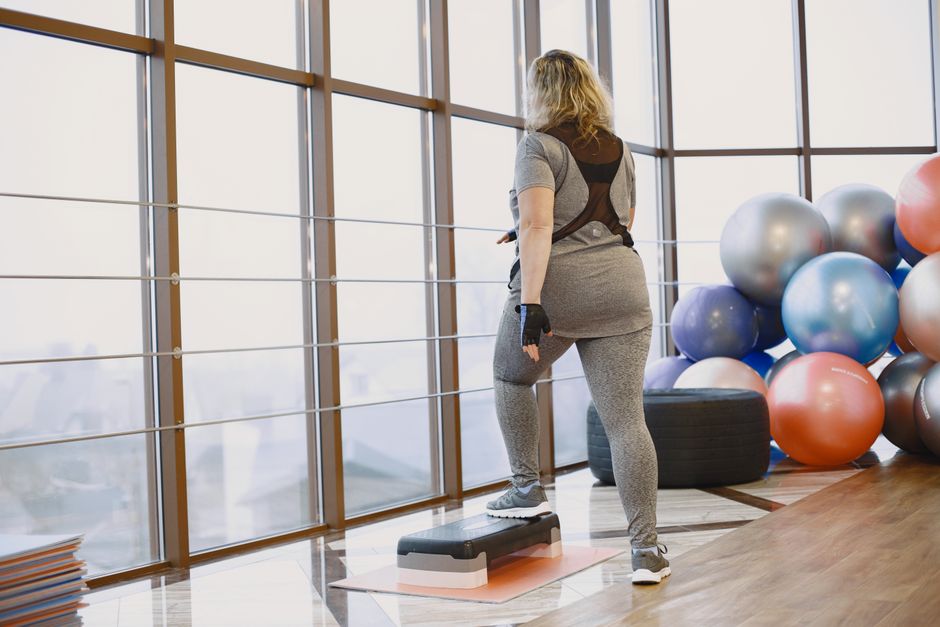
Choosing Your Step Platform
- Fitness Step: The classic choice. Look for a sturdy, non-slip aerobic step that’s 4-8 inches high. Adjustable models let you increase height as you progress.
- Homemade Step: No budget for new gear? A low, secure bench, sturdy platform, or even a step on your staircase can work—just ensure it’s stable, flat, and wide enough to step up and down safely.
Other Helpful Equipment
- Supportive athletic shoes (avoid barefoot or socks, as these can slip)
- Workout mat (for stretching and extra grip, especially on hardwood floors)
- Water bottle, to stay hydrated
- Upbeat music or a step aerobics video to guide your routine
Setting Up Your At-Home Aerobics Space
- Clear a flat space about 6x6 feet (2x2 meters), ensuring you have room to step forward, backward, and side to side without hitting objects or tripping.
- Check the floor for slip hazards, and make sure your step is securely placed so it won’t shift during workouts.
How to Get Started with Step Aerobics at Home
Excited to try step aerobics but not sure how to begin? Here’s a simple plan to get started safely and successfully.
Step 1: Warm Up
- Spend at least 5 minutes warming up your body to prevent injury.
- March in place, perform gentle step-touches, and roll your shoulders to get blood flowing.
Step 2: Learn Basic Step Aerobic Moves
Mastering the basics gives you confidence and helps prevent injuries. Here are a few foundational moves to learn:
- Basic Step: Step up with one foot, bring the other foot up, then step down one foot at a time. Alternate leading foot.
- V-Step: Step onto the step, wide with both feet, then back down wide.
- Knee Lift: Step up, lift your opposite knee, then step down.
- Corner Step: Step onto one corner, follow with other foot, then step down to the floor—repeat alternating corners.
- Tap Up/Tap Down: Lightly tap toe on the platform and return back.
Step 3: Start Slow
- Begin with 10-15 minute sessions, two to three times per week.
- Focus on perfecting your form and getting comfortable with the movement.
Step 4: Progress Gradually
- As your confidence and fitness improve, increase workout duration by 5-10 minute increments.
- Try more complex moves and routines, or raise the height of your step for greater intensity.
Step 5: Cool Down and Stretch
- Always finish your routine with at least 5 minutes of gentle stepping in place, followed by stretching for your quads, hamstrings, calves, and lower back.
Step Aerobics for Weight Loss: How It Works
Weight loss ultimately comes down to burning more calories than you consume. Step aerobics shines in its ability to deliver a high-calorie burn in a short amount of time.
- Increased Heart Rate: Repeated stepping keeps your heart rate elevated throughout.
- Full-Body Engagement: Incorporate arm movements, knee lifts, and quick-paced routines to burn more calories.
- Fat Loss Zone: Consistent step aerobics helps maintain your heart rate in the target fat burning zone—usually 50–70% of your maximum heart rate.
Combining regular step workouts with a healthy, balanced diet amplifies weight loss results. Aim for at least 150 minutes of moderate-intensity cardio (like step aerobics) per week for general health, and up to 300 minutes weekly for significant weight loss.
| Body Weight | Calories Burned (30 min at moderate intensity) |
|---|---|
| 120 lbs (54 kg) | 180 |
| 155 lbs (70 kg) | 220 |
| 185 lbs (84 kg) | 260 |
Beginner Step Aerobics Workout Routine
Ready to step it up? Here’s a simple, beginner-friendly step aerobics routine you can do at home. Remember, follow the pace that feels right for your body and don’t rush the movements.
Warm-Up (5 minutes)
- March in place (1 min)
- Step-touch (side step) (1 min)
- Knee lifts (1 min)
- Arm circles and shoulder rolls (2 min)
Main Routine (20 minutes)
- Basic Step: 2 minutes
Alternate leading foot every 30 seconds. - V-Step: 1 minute
Step up wide, step down wide, alternate lead. - Knee Lift: 2 minutes
Step up, lift opposite knee, step down. Switch sides every 30 seconds. - Corner Step: 2 minutes
Step onto right corner, left follows, down right, down left. Repeat, then switch corners. - Tap Up/Tap Down: 1 minute
Light tap with toes on the step, return to starting position, alternate feet. - Repeat the above circuit 2 more times, resting for 30-60 seconds between sets as needed.
Cooldown (5 minutes)
- March in place, gradually slowing pace
- Calf stretch—stand with toes on step, heels down
- Quad stretch—grab ankle, pull toward glute (hold to sturdy object if needed)
- Hamstring stretch—step right heel onto step, lean gently forward, repeat on left
Sample Weekly Workout Plans
Here’s a beginner schedule you can follow as you build your step aerobics practice for weight loss and cardio health:
| Day | Workout | Duration | Notes |
|---|---|---|---|
| Monday | Beginner step aerobics routine | 20–30 minutes | Focus on learning moves |
| Tuesday | Active recovery (light walk, stretch, or yoga) |
15–20 minutes | Allow muscle recovery |
| Wednesday | Step aerobics + light upper body strength moves | 25–35 minutes | Add basic push-ups or resistance band work |
| Thursday | Rest or gentle stretching | N/A | Rest day |
| Friday | Beginner step aerobics routine | 20–30 minutes | Try more challenging music or step |
| Saturday | Enjoy an outdoor walk, bike, or similar cardio | 30–40 minutes | Cross-train for variety |
| Sunday | Rest or light stretching | N/A | Optional self-care day |
After a few weeks, you can increase your step aerobics sessions to 30–45 minutes or add a challenging session with a higher step or more advanced moves.
Pros and Cons of Step Aerobics for Beginners
| Pros | Cons |
|---|---|
|
|
Beginner Mistakes to Avoid in Step Aerobics
New to step aerobics? Avoid these frequent pitfalls to keep your workouts safe and effective:
- Stepping Too Fast: Prioritize proper form over speed to prevent tripping or poor alignment.
- Landing on Locked Knees: Keep knees slightly bent while stepping to absorb impact.
- Using Too High a Step Initially: Start with the lowest platform (4–6 inches) until you’ve built strength and confidence.
- Letting Your Foot Hang Off: Make sure your whole foot is planted on the platform each time to avoid rolling an ankle.
- Neglecting Warmup and Stretch: Always warm up and cool down to reduce injury risk and speed recovery.
- Skipping Rest Days: Give your calves and shins time to adapt; too much too soon can cause overuse injuries.
- Ignoring Pain: Mild muscle soreness is normal; sharp pain is not—stop if anything feels “off.”
- Poor Footwear: Choose cross-trainers or shoes designed for aerobic activity, not running or casual shoes.
Advanced Tips to Maximize Results
Once you’ve built a foundation and are confident with the basics, use these strategies to keep progressing:
- Add Height: Raise your step as you get stronger (typical increments: 6-8 inches or more for advanced users).
- Incorporate Arm Movements or Light Weights: Add overhead presses, bicep curls, or use light dumbbells to challenge your upper body.
- Increase Tempo: Follow faster-paced routines or music to elevate your heart rate and calorie burn.
- Complex Combinations: String together multiple moves (e.g., V-step to knee lift to corner step) for both cardio and coordination.
- Add Plyometrics: Carefully include explosive moves like hop-ups or power knees when ready.
- Interval Training: Incorporate intervals—alternate 1–2 minutes of high-intensity stepping with 1 minute of lower-intensity recovery.
- Track Progress: Record workout time, step height, and how you feel to stay motivated and see your improvements.
Step Aerobics vs Other Cardio Workouts
| Workout | Cardio Benefit | Calorie Burn (30 min) | Equipment Needed | Joint Impact | Fun Factor |
|---|---|---|---|---|---|
| Step Aerobics | Excellent | 200-300 | Step platform | Low to moderate | High (music/choreo) |
| Running | Excellent | 250-400 | Good shoes | High (hard on joints) | Variable |
| Walking | Good | 100-200 | None | Low | Medium |
| Jump Rope | Excellent | 300-400 | Rope/space | High (joints/calves) | Medium |
| Stationary Bike | Excellent | 200-300 | Bike | Low | Medium |
Step aerobics stands out by combining a strong cardio effect, low joint impact, and an enjoyable, music-driven style—all without needing expensive or bulky home equipment.
Frequently Asked Questions: Step Aerobics for Beginners
Is step aerobics good for total beginners?
Absolutely! Step aerobics was designed to be modular and beginner-friendly. You can keep the movements as simple or advanced as you like, and adjust the step height to fit your fitness level.
How high should my step be?
Start with 4–6 inches; increase to 8 inches only as you build confidence and leg strength. Using a step too high too soon can strain your knees and lead to poor form.
How often should I do step aerobics for weight loss?
Aim for at least 3 sessions of 20–40 minutes per week, combined with healthy nutrition. For maximized weight loss, work up to 4–5 times weekly with added strength or flexibility training.
Can I do step aerobics every day?
Your body needs recovery—especially your calves and shins. Try alternating step days with rest, stretching, or other low-impact activities.
Do I need music or a video to do step aerobics?
While not essential, upbeat music (or a YouTube video) helps maintain rhythm and motivation. Many free and paid step aerobics videos offer easy routines for all levels.
Is step aerobics hard on the knees?
Not if you use proper form: step lightly, keep knees soft (never locked), and start with a low step. If you have a history of knee issues, consult your doctor before beginning any new fitness program.
Can older adults do step aerobics?
Yes! Step aerobics can be tailored for all ages—choose a low step, slow tempo, and simpler routines to keep it joint-friendly.
Conclusion: Step Up for Your Fitness Journey
Step aerobics is a powerhouse workout that’s incredibly welcoming to beginners yet offers endless ways to advance as your stamina grows. Whether your goal is weight loss, stronger legs, or better heart health, this fun and effective routine fits almost any home, schedule, or fitness level. All you need is a step, a small space, comfortable shoes, and a willingness to move!
Start with the basics, build consistency, and soon you’ll feel your fitness, confidence, and energy step up to new heights. With step aerobics, losing weight and getting healthier is just a step away—right in your own living room.
Ready to begin? Lace up, step up, and enjoy the transformation—one step at a time!
Related Topics
- Step Aerobics Essentials: Choosing the Right Equipment and Setting Up at Home
- Simple Step Aerobics Moves for Beginners: A 20-Minute Guided Routine
- How Step Aerobics Aids Weight Loss: Tips to Track Your Progress and Stay Motivated



0 Comments