

Beginner Kettlebell Workout at Home for Weight Loss & Strength
If you're looking for an all-in-one tool that can help you lose weight, build muscle, and boost your metabolism—all from the comfort of your home—kettlebells are your answer. Whether you’re new to exercising or just new to kettlebells, this guide will walk you step-by-step through everything you need to jumpstart your kettlebell workout at home for weight loss and strength. You’ll learn why kettlebells work, how to avoid common mistakes, get a detailed beginner routine, and find motivation to stay consistent.
Why Choose Kettlebells for Home Workouts?
Kettlebells are one of the most versatile pieces of workout equipment. They combine cardio and strength training, letting you burn calories while building lean muscle—an unbeatable combo for anyone aiming for weight loss and a toned body.
Top Benefits of Kettlebell Training at Home
- Efficiency: Full-body workouts in less time
- Space-saving: Only need one or two kettlebells
- Fat-burning: High caloric expenditure from dynamic movements
- Functional strength: Mimics real-life activities
- Improved flexibility & coordination: Movement variety helps mobility
- Adaptable for all fitness levels: Start light, progress as you get stronger
Quick Comparison: Kettlebells vs Dumbbells for Beginners
| Kettlebells | Dumbbells |
|---|---|
| Versatile; excellent for strength & cardio | Great for isolated strength training |
| Dynamic, swinging movements | Mostly static lifts |
| Engages core, grip, and stabilizers | Less core engagement in most exercises |
| Suits HIIT & circuit training | Primarily for traditional reps/sets |
Getting Started: Prepping for Your First Kettlebell Workout
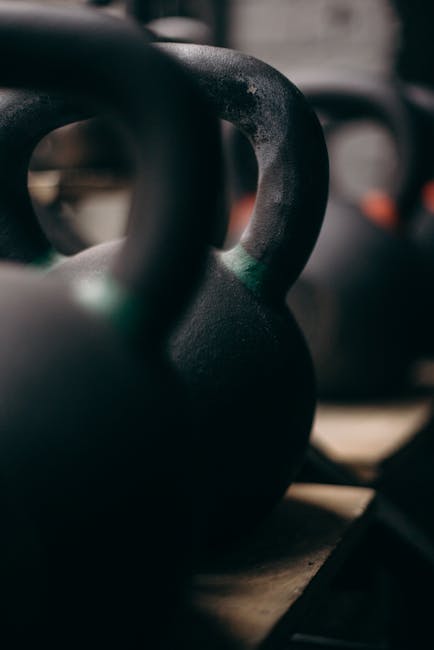
Before diving in, let's cover some essentials that will ensure your home workout is safe, effective, and enjoyable.
Choosing the Right Kettlebell Weight
- Women (Beginner): 8-12 kg (18-26 lbs)
- Men (Beginner): 12-16 kg (26-35 lbs)
The above are general guidelines. Start light if unsure—good form is crucial to progress and safety. If possible, try a few kettlebell weights at a local store or gym.
Essential Gear for Home Kettlebell Training
- Flat, firm surface (avoid slippery floors)
- Comfortable workout clothes and supportive shoes
- Yoga mat for floor work (optional, but helpful)
- Water bottle and towel for hydration and sweat
Warm-Up: Don’t Skip It!
Warming up prepares your muscles for movement and lowers risk of injury. Do at least 5-7 minutes of dynamic warm-up, such as:
- Jumping jacks
- Arm circles
- Hip circles
- Bodyweight squats
- Torso twists
- Leg swings
The Beginner Kettlebell Workout Routine
This full-body kettlebell workout is designed for fat loss and functional strength. It includes 6 fundamental exercises performed in a circuit. Aim for 2-3 rounds, resting 1-2 minutes between rounds.
Workout Structure Overview
| Exercise | Reps | Rest |
|---|---|---|
| Kettlebell Swing | 15-20 | 30 sec |
| Kettlebell Goblet Squat | 10-15 | 20 sec |
| Kettlebell Deadlift | 12-15 | 20 sec |
| Kettlebell Press | 8-12 each side | 30 sec |
| Kettlebell Bent-over Row | 10-12 each side | 20 sec |
| Kettlebell Russian Twists | 16-20 (total) | 30 sec |
Exercise Breakdown: Form & Tips
-
Kettlebell Swing
The cornerstone of kettlebell training. Focuses on hips, glutes, back, and core. Burns lots of calories.
- Stand with feet shoulder-width apart, holding kettlebell with both hands
- Slight bend in knees, hinge from hips
- “Hike” kettlebell back between legs, then drive hips forward to swing it to chest height
- Let it swing back; do not squat down with each rep
Form tip: Power the swing with your hips, not your arms. Back stays straight—never round!
-
Kettlebell Goblet Squat
Builds leg and core strength. Easy to scale and safe for beginners.
- Hold kettlebell at chest (by “horns” of handle)
- Feet shoulder-width apart, toes slightly out
- Squat deeply, elbows inside knees, chest tall
- Drive through heels to stand up
Form tip: Don’t let knees cave in and keep heels flat on floor.
-
Kettlebell Deadlift
Strengthens lower back, hamstrings, and glutes.
- Stand over the kettlebell, feet hip-width
- Push hips back, slight knee bend, grasp handle with both hands
- Lift by driving hips forward and standing tall
- Lower with control, keeping back straight
Form tip: Avoid rounding your back. Shoulders remain above hips at all times.
-
Kettlebell Press
Shoulders, triceps, and upper chest.
- Hold kettlebell in rack position at shoulder (handle at palm, elbow close to ribcage)
- Press overhead, locking arm out at the top
- Lower with control and repeat
Variation: Do single-arm presses to train both arms individually.
-
Kettlebell Bent-over Row
Builds stronger back and improves posture.
- Place kettlebell on floor, hinge at hips with a flat back
- Grab handle with one hand, keeping other hand on thigh or a sturdy object
- Pull kettlebell up to your side, elbow close to body
- Lower slowly, keep core engaged and repeat
-
Kettlebell Russian Twist
Engages the core and helps sculpt your waist.
- Sit on floor, knees bent, feet flat
- Hold kettlebell at chest and lean back slightly
- Twist torso and kettlebell to one side, then the other
- Keep movement controlled; don’t just swing arms
Sample Weekly Workout Plan
| Day | Workout | Duration |
|---|---|---|
| Monday | Kettlebell Circuit (2-3 rounds) | 30-40 min |
| Tuesday | Active Recovery (walk, light yoga) | 30 min |
| Wednesday | Kettlebell Circuit (2-3 rounds) | 30-40 min |
| Thursday | Rest or Cardio (cycling, brisk walk) | 20-30 min |
| Friday | Kettlebell Circuit (2-3 rounds) | 30-40 min |
| Saturday | Active Recovery or Short Mobility Session | 20 min |
| Sunday | Rest | - |
Tip: For weight loss, consistency in both exercise and healthy eating is key. Avoid crash diets; focus on gradual, sustainable changes!
Beginner Mistakes with Kettlebells & How To Avoid Them

Every effective journey starts with learning what NOT to do. Here are common mistakes and how to fix them:
- Lifting too heavy at first: Start lighter until you master your form.
- Ignoring warm-up and cool-down: Always prepare and recover; prevents injury.
- Letting back round during swings or deadlifts: Keep spine neutral; engage your core at all times.
- Using only arms for swings: Most power comes from hips. Practice without a weight to perfect form.
- Not breathing properly: Exhale forcefully on exertion (like swinging or pressing), inhale on the return.
- Training too frequently without rest: Muscle recovery is where growth happens. At least one full rest day a week.
Advanced Tips for Progressing Your Kettlebell Workouts
Once you feel confident performing the exercises with good form and at your chosen weight for all sets and reps, step up your game:
- Increase weight: Gradually bump up to a heavier kettlebell.
- Add more rounds: From 2 to 3 or even 4 rounds.
- Shorten rest intervals: Challenge your cardio and burn more calories.
- Try double-kettlebell moves: Use two (one in each hand) for some exercises.
- Incorporate new exercises: Such as the Turkish get-up, kettlebell snatch, or clean & press.
Remember: Only progress after you’re truly comfortable with the basics!
Pros & Cons: Kettlebell Home Workouts for Beginners
| Pros | Cons |
|---|---|
|
|
Motivation & Staying on Track
Sticking to any new fitness routine—especially one at home—can be challenging. Here are practical ways to make sure you keep progressing:
- Set clear, realistic goals: For example, “Work out 3 days per week” or “Lose 5 lbs in 2 months.”
- Track your progress: Use a fitness app, journal, or calendar for accountability.
- Join a community: Online kettlebell groups offer support, feedback, and inspiration.
- Celebrate small wins: Consistency always deserves a reward (like new workout gear!).
- Mix it up: Boredom kills motivation! Try new exercises or adjust your routine every few weeks.
FAQ: Beginner Kettlebell Workouts at Home
- Q: Can I lose weight with just kettlebell workouts?
-
Yes! Kettlebell workouts combine cardiovascular and strength training, leading to high calorie burn and muscle building, which speeds up your metabolism. For best results, combine regular kettlebell workouts with a healthy, calorie-controlled diet.
- Q: How often should a beginner train with kettlebells?
-
Start with 2-3 times per week, allowing at least one day of rest between sessions. As you get stronger and more experienced, you can add an extra session.
- Q: Is it safe to train with kettlebells at home?
-
Absolutely—if you use proper form, start with an appropriate weight, and clear your workout space of hazards (pets, kids, slippery floors). When in doubt, consult online videos from reputable trainers.
- Q: How long until I see results?
-
You'll often notice increased energy and strength after just a few weeks. Visible weight loss and muscle definition usually appear after 4–8 weeks, with consistent exercise and diet changes.
- Q: What if I only own one kettlebell?
-
That’s fine! Nearly all foundational kettlebell exercises can be performed with a single bell. If it’s too light for some movements (like squats or deadlifts), slow down the motion and increase reps for a similar effect.
- Q: Should I use gloves for kettlebell training?
-
Most people train bare-handed for better grip and control, but gloves can help if you develop blisters or calluses, especially when new.
Conclusion: Start Your Fitness Journey Today!
With the right kettlebell, safe technique, and consistent effort, you’re fully equipped to begin a transformative journey right at home. This beginner kettlebell workout for weight loss and strength is tailored to maximize results while minimizing risks.
Enjoy the versatility kettlebells offer—your strongest self is closer than you think. Refer to this guide, start light, and progress at your own pace. If you ever get stuck, revisit the sections above or join an online fitness community for support.
Your next step? Grab your kettlebell and take action today. Every rep brings you closer to your goals!
```


0 Comments