
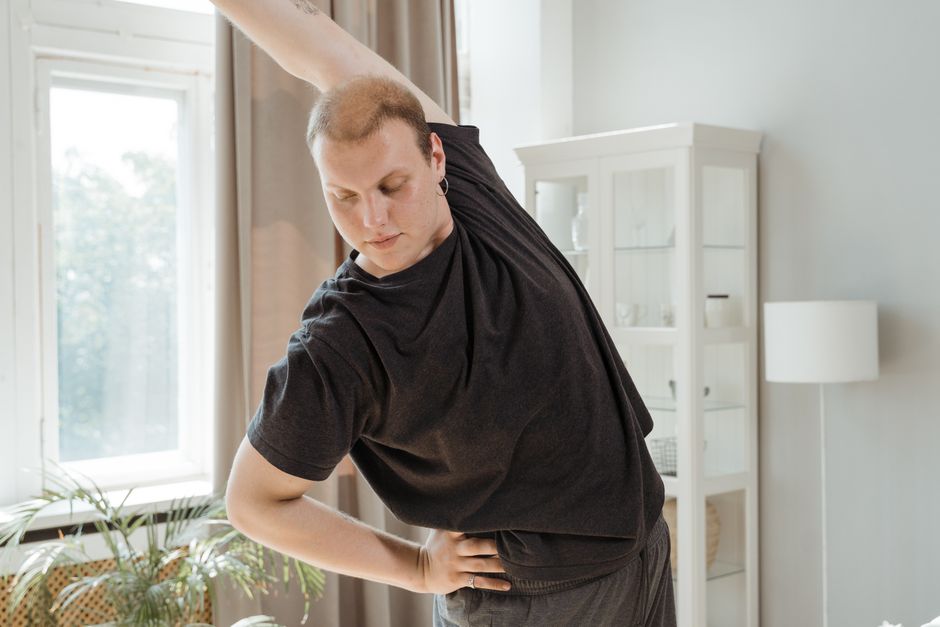
Beginner Desk Workout Routine: Boost Posture & Daily Activity
Are you spending long hours seated at your desk, feeling stiff, sluggish, or struggling with poor posture? You’re not alone. Modern lifestyles, remote work, and digital demands have made desk jobs—and the sedentary habits that come with them—more common than ever. The good news? You don’t need a gym or fancy equipment to fight back against the harmful effects of sitting. This comprehensive guide will walk you through a beginner-friendly, step-by-step desk workout routine you can do right in your home office. You’ll learn how to increase your daily activity, improve your posture, and enjoy greater energy—all without leaving your workspace.
Why Desk Workouts Matter: The Hidden Risks of Prolonged Sitting
Recent studies show the average office worker spends up to 10 hours a day sitting. This sedentary behavior is linked to a host of health issues, including back pain, neck stiffness, obesity, cardiovascular disease, and even mental burnout. Even with regular exercise before or after work, uninterrupted sitting during the day can sabotage your health. That’s where desk workouts come in.
The Benefits of Desk Workouts
- Improved posture — Reduces slouching and compressive forces on the spine.
- Increased calorie burn — Counteracts the sedentary effects and supports metabolism.
- Boosted energy levels — Fights fatigue and keeps your brain more alert.
- Enhanced mood — Releases endorphins and can reduce feelings of stress or tension.
- Decreased stiffness and pain — Keeps joints and muscles limber throughout the day.
What Makes This a Beginner-Friendly Routine?
- No special equipment required (use your chair, desk, and bodyweight).
- Flexible—can be done in short bursts or longer sessions.
- Designed for small spaces (ideal for home offices).
- Safe and low-impact for most individuals.
- Focuses on common postural imbalances for desk workers.
The Ultimate Beginner Desk Workout Routine at Home

This routine is designed for office workers who want to become more active, reduce discomfort, and improve their overall well-being. The exercises are divided into three sections: posture boosters, mobility moves, and energizers. You can do these exercises as a complete routine (about 15-20 minutes), or break them up—doing 1-2 exercises every hour to keep your body moving all day.
Quick Reference Table: Desk Workout at a Glance
| Exercise | Primary Benefit | Reps/Time | Desk-Friendly? |
|---|---|---|---|
| Seated Shoulder Rolls | Releases neck & shoulder tension | 15-20 reps each direction | Yes |
| Neck Stretch | Counteracts tech-neck | 20 seconds each side | Yes |
| Thoracic Twist | Increases upper back mobility | 10 reps each side | Yes |
| Desk Push-Ups | Strengthens chest and arms | 8-12 reps | Yes |
| Glute Squeezes | Awakens inactive glutes | 15-20 reps | Yes |
| Seated Leg Extensions | Improves circulation & strengthens quads | 12-15 reps each leg | Yes |
| Standing Calf Raises | Prevents lower leg tightness | 15-20 reps | Yes |
| Standing Desk March | Boosts heart rate & activity | 30-60 seconds | Yes |
| Seated Cat-Cow Stretch | Mobilizes spine | 10 reps | Yes |
Step-by-Step Guide: Desk Workout Exercises with Form Tips
1. Seated Shoulder Rolls
- Sit up straight in your chair with feet flat and hands relaxed on your thighs.
- Roll your shoulders up towards your ears, back, down, and forward in a smooth, circular motion.
- Repeat 15-20 times, then reverse direction.
- Tip: Breathe deeply and focus on big, controlled circles.
2. Desk Neck Stretch
- While seated, keep shoulders relaxed.
- Gently tilt your right ear towards your right shoulder (don’t lift the shoulder).
- For a deeper stretch, gently press your left hand towards the floor.
- Hold 20 seconds, then switch sides.
- Tip: Do not force your head. If you feel tingling, ease up.
3. Seated Cat-Cow Stretch
- Sit tall and place your hands on your knees.
- On the inhale, arch your back (move chest forward, look up slightly).
- On the exhale, round your back and tuck your chin to chest.
- Continue for 10 repetitions, focusing on your breath.
- Tip: Helps counteract slouching and relieves spinal tension.
4. Thoracic Twist
- Sit upright. Cross your arms over your chest (or place right hand on outer left thigh).
- Gently rotate your upper body to the left, keeping your hips facing forward.
- Hold 5 seconds, return to center, repeat 10 times each side.
- Tip: Look over your shoulder for a deeper twist.
5. Desk Push-Ups
- Stand facing your sturdy desk. Place hands shoulder-width apart on its edge.
- Walk your feet back so your body creates a straight line.
- Bend elbows to lower chest towards the desk, keeping your core tight.
- Push back up. Complete 8-12 reps.
- Tip: For less intensity, use a wall instead of your desk.
6. Glute Squeezes
- Sit upright, feet flat, hands on thighs.
- Squeeze your glutes (butt muscles) tightly, hold for three seconds, then relax.
- Repeat 15-20 reps. Do this throughout the day to counter “flat butt” from sitting.
7. Seated Leg Extensions
- Sit up straight, knees bent 90 degrees.
- Slowly extend your right leg straight so it’s parallel with the floor, keeping toes flexed.
- Lower, switch sides. 12-15 reps per leg.
- Tip: Try holding the extended leg for 2 seconds for extra strength work.
8. Standing Calf Raises
- Stand behind your chair with hands lightly holding for support.
- Rise up onto your toes, hold for 1-2 seconds, lower slowly.
- Repeat 15-20 times. Great during phone calls or breaks.
9. Standing Desk March
- Stand near your desk with good posture.
- Mimic a marching motion, lifting knees to hip level for 30-60 seconds.
- Pump your arms for a higher heart rate.
- Great to do every hour for a burst of activity.
The Ideal Desk Workout Schedule for Beginners
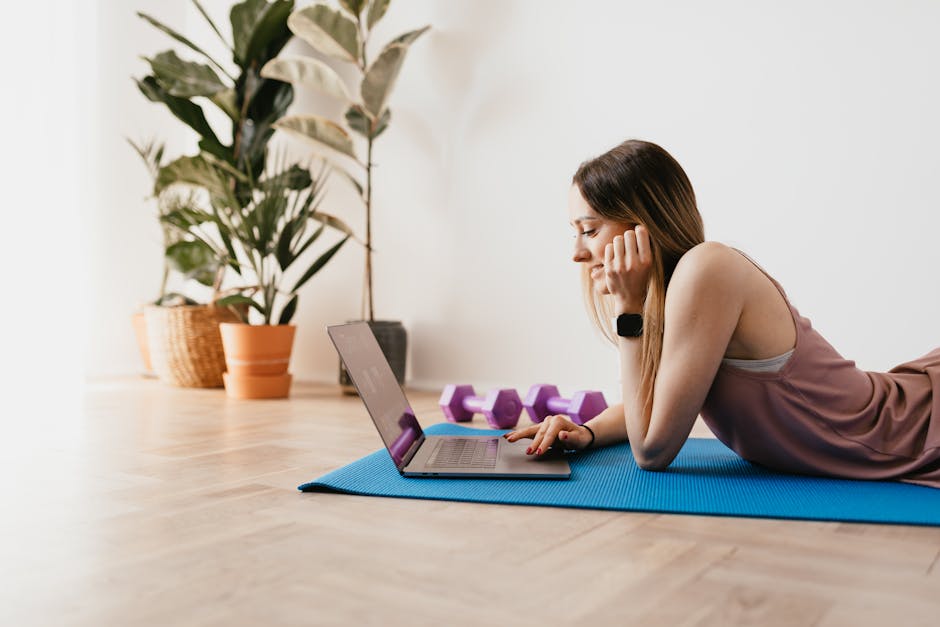
Consistency is key! Even 2-3 minutes of movement every hour can make a huge difference.
Sample Desk Exercise Daily Schedule
| Time | Exercise(s) | Duration |
|---|---|---|
| Start of Workday | Seated Shoulder Rolls, Neck Stretch, Cat-Cow | 5 minutes |
| Every 60-90 min | Thoracic Twist, Seated Leg Extensions, Glute Squeezes | 3 minutes |
| Lunch Break | Desk Push-Ups, Standing Calf Raises, Desk March | 8-10 minutes |
| Afternoon Slump | Standing Desk March, Cat-Cow Stretch | 3-5 minutes |
| End of Workday | Shoulder Rolls, Neck Stretch | 3 minutes |
Pros and Cons of Desk Workout Routines
Desk Workout Pros
- Accessible: No need for gym membership or expensive gear.
- Time efficient: Easily fits into busy schedules, no need to “find time.”
- Posture improvement: Targets muscle groups weakened by sitting.
- Energy & focus: Quick movement breaks can help refocus and fight fatigue.
- Prevents stiffness & pain: Especially neck, shoulders, lower back.
- Supports weight management: Increases daily caloric burn.
- Mental health: Short bouts of movement release feel-good endorphins.
Desk Workout Cons
- Limited resistance: Bodyweight-only exercises have limitations for advanced strength gains.
- Distractions: Possible interruptions from meetings, calls, and notifications.
- Complacency: May give a false sense of being “active”; still need dedicated exercise.
- Awkwardness: Some may feel self-conscious if working in shared spaces or on video calls.
Beginner Mistakes With Desk Workouts
- Skipping proper posture: Rushing exercises without aligning your spine or shoulders undermines benefits and may worsen postural issues.
- Doing too much, too soon: Trying to do long sessions or difficult moves can cause soreness or burnout. Start with short, frequent breaks and basic movements.
- Ignoring pain signals: It’s normal to feel mild stretching, but sharp pain means you should stop immediately.
- Forgetting to breathe: Holding your breath during exercises reduces oxygen to muscles and can make you dizzy.
- Not being consistent: Doing exercises once in a while isn’t enough. Set reminders or pair movement with routine tasks for best results.
- Neglecting other aspects of health: Desk workouts are most effective when combined with proper hydration, regular standing breaks, and an ergonomic workspace setup.
Tips for Making Your Desk Workout Routine Stick
- Set reminders: Use phone alarms or calendar notifications to remind you to move every 60-90 minutes.
- Pair with habits: Attach your exercises to daily tasks like checking email or after calls.
- Make it social: Invite coworkers to join you virtually or in person to keep each other accountable.
- Track your progress: Use a log or app to record exercises and celebrate consistency.
- Reward yourself: Set small goals (e.g., one week of daily activity) and treat yourself when you achieve them.
Advanced Tips: Level Up Your Desk Exercise Routine
- Add resistance bands: Keep a light resistance band in your desk to progress upper and lower body exercises once you’ve mastered bodyweight moves.
- Use a small dumbbell or water bottle: For bicep curls, overhead presses, or lateral raises during breaks.
- Try single-leg or balance variations: For example, do desk push-ups with one foot off the ground, or hold a standing desk march on tiptoe.
- Incorporate mobility flows: Add short dynamic mobility sequences (e.g., spinal rotations, hip openers) to further relieve stiffness.
- Experiment with interval “deskercise”: Alternate 30 seconds of energetic movement (standing march, jumping jacks if space allows, shadow boxing) with slower mobility work for heart and joint health.
FAQs: Desk Workout Routine for Beginners
1. Are desk workouts effective for weight loss?
While desk workouts alone are unlikely to drive significant weight loss, they can increase your daily calorie burn, break up periods of inactivity, and support a healthier metabolism. Combined with a balanced diet and regular dedicated exercise, they enhance weight management efforts.
2. How often should I do desk workouts?
Ideally, incorporate 2-3 minutes of movement every 60-90 minutes during your workday. This keeps muscles from getting stiff, supports good posture, and helps maintain energy.
3. Can I do these exercises if I have back pain?
Many desk exercises are gentle and can help relieve back discomfort. However, if you have an injury or chronic condition, consult your healthcare provider before beginning new activities.
4. What if my chair or desk isn’t ergonomic?
Good ergonomic setup helps, but isn’t required. Adjust chair height so feet are flat, use a cushion if needed, and keep your monitor at eye level. Movement breaks become even more critical if your setup isn’t ideal!
5. Do I need to warm up for desk workouts?
Because movements are gentle and low-impact, a formal warmup isn’t necessary. But it’s still smart to start slowly (e.g., shoulder rolls, neck circles) and focus on good form.
6. What about people in small spaces or shared offices?
All exercises in this guide are space-efficient and can be done without drawing attention—perfect for apartment living or open-plan offices. If you’re shy, start with seated moves or use breaks in private.
Conclusion: Take Charge of Your Posture & Activity—All From Your Desk
You don’t need to overhaul your entire lifestyle or spend hours at the gym to reap massive benefits from moving more during your workday. A simple, beginner-friendly desk workout routine—practiced consistently—can transform your posture, boost your energy, and support your mental and physical well-being. By breaking up long periods of sitting, you’ll help yourself stay pain-free, focused, and healthier in the long run. Remember: It’s not about perfection, but about progress—one movement break at a time!
Helpful Resources for a Healthier Desk Routine
- CDC Tips for Physical Activity at Work
- Mayo Clinic: Sitting Disease & How to Avoid It
- NHS: Benefits of Physical Activity
Start today, stand taller tomorrow! Your desk is no longer just a workspace—make it a wellness space.
Related Topics
- Essential Desk Exercises to Kickstart Your At-Home Fitness Journey
- How to Set Up Your Home Workspace for Better Movement and Posture
- Mini Desk Workout Plans: Quick Routines for Busy Work-From-Home Days



0 Comments