
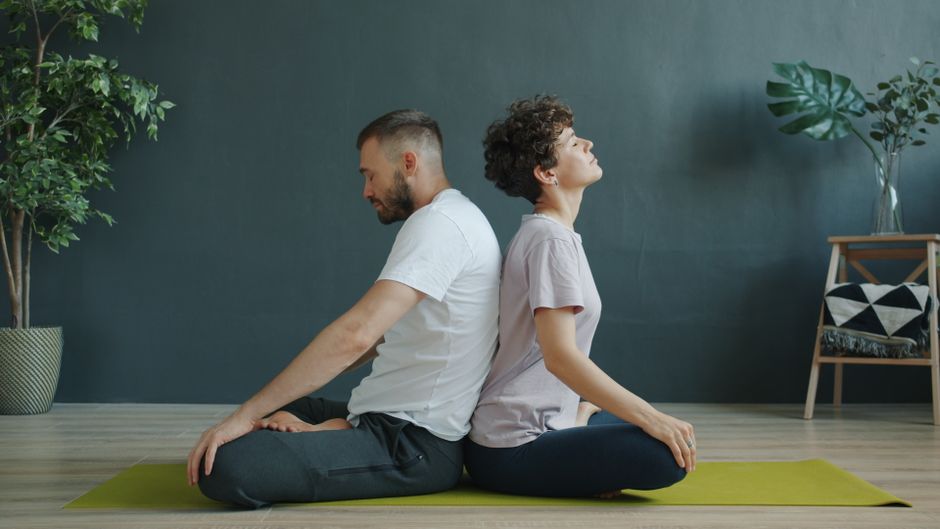
Beginner Breathing Exercises at Home: Boost Lungs & Cut Stress
Are you looking for a simple, effective way to improve your lung health and reduce stress—all without leaving the comfort of your own home? A well-structured breathing exercise routine might be the answer. Breathing is automatic, but doing it with focus and proper technique can have profound effects on both your physical and mental wellbeing. In this comprehensive guide, you’ll learn step-by-step how to start a beginner-friendly breathing exercise routine, understand the science behind breathwork, avoid common mistakes, and discover advanced tips to enhance your practice. If you’re new to breathing exercises, you’re in the right place.
Why You Should Focus on Your Breath
It’s easy to underestimate the power of breath. Yet, proper breathing techniques can improve lung capacity, increase energy, reduce feelings of anxiety, promote relaxation, and even aid sleep. With the rise in sedentary lifestyles and high stress levels, consciously practicing breathwork at home can have multiple health benefits that go beyond just “feeling calm.”
The Science Behind Breathing Exercises
Breathing exercises tap into the body’s autonomic nervous system. By intentionally slowing down and deepening the breath, you activate the parasympathetic branch—the system responsible for the “rest and digest” response. This reduces heart rate, lowers blood pressure, and sends signals to your brain that all is well. Simultaneously, deep breathing helps oxygenate the blood and can help strengthen the respiratory muscles, supporting overall lung health.
Getting Started: Making Breathing Exercises Beginner-Friendly

Starting a new habit can feel overwhelming, especially when it comes to mindfulness practices. The good news? Breathing exercises don’t require any expensive equipment, memberships, or even a dedicated room. You can practice just about anywhere and anytime. Follow these simple steps to begin your journey.
Step 1: Choose Your Space
- Pick a quiet spot where you won’t be interrupted.
- Ensure good air ventilation—open a window if possible.
- Make yourself comfortable with a cushion, chair, or mat.
Step 2: Set a Routine & Commitment
- Consistency is more important than duration—start with 5-10 minutes daily.
- Choose a specific time (morning, afternoon, or before bed) to build the habit.
- Set reminders or calendar alerts to help stick to your schedule.
Step 3: Start Simple
- Begin with basic breathing exercises suitable for total beginners.
- Progress slowly—never force your breath or strain.
- Track your progress in a journal or app if you like.
The Best Beginner Breathing Exercises for Home
If you're new to breathwork, these gentle, science-backed techniques offer an excellent starting point. They require no experience and carry little to no risk.
1. Diaphragmatic Breathing (Belly Breathing)
This exercise encourages you to breathe using your diaphragm—a key muscle for lung expansion. Most people chest-breathe, which is shallow and less efficient.
- Sit or lie down comfortably, one hand on your chest and the other on your belly.
- Inhale slowly through your nose, feeling your belly expand (your hand rises) while your chest stays relatively still.
- Exhale slowly through pursed lips, drawing your belly button gently inwards.
- Repeat for 5-10 deep, slow breaths.
2. Box Breathing (Four-Square Breathing)
Used by athletes, Navy SEALS, and high performers, this exercise is easy to learn and excellent for calming nerves.
- Inhale through the nose for a count of four.
- Hold your breath for a count of four.
- Exhale slowly through the mouth for a count of four.
- Hold your breath again for a count of four.
- Repeat for 4-6 cycles, increasing duration as comfortable.
3. 4-7-8 Relaxation Breathing
This technique is especially good for relaxation and preparing for sleep.
- Inhale through your nose for a count of 4.
- Hold the breath for a count of 7.
- Exhale completely through your mouth for a count of 8.
- Repeat for 4-8 cycles.
4. Pursed Lip Breathing
Widely recommended for people with COPD or asthma, but beneficial for anyone. It helps slow your breathing and keeps airways open longer.
- Inhale slowly through the nose (2 seconds).
- Purse your lips as if about to blow out a candle.
- Exhale slowly and gently through pursed lips (4 seconds).
- Repeat for several minutes.
Sample Beginner Breathing Routine

| Time | Exercise | Instructions |
|---|---|---|
| Minute 0-2 | Diaphragmatic Breathing | 5–10 deep belly breaths, focus on hand on abdomen |
| Minutes 2-5 | Box Breathing | 4-second inhale, 4 hold, 4 exhale, 4 hold (4–6 rounds) |
| Minutes 5-7 | 4-7-8 breathing | 4 in, 7 hold, 8 out (4 cycles) |
| Minutes 7-10 | Pursed Lip Breathing | Slow inhale (2 sec), slow pursed lip exhale (4 sec) |
Pros and Cons of Beginner Breathing Routines
| Pros | Cons |
|---|---|
|
|
Common Beginner Mistakes to Avoid
- Holding your breath too long: Always listen to your body. If you feel lightheaded or dizzy, pause or return to your normal breathing.
- Forcing the breath: Deep breathing should feel comfortable, not strained. Never push yourself to take in more air than feels natural.
- Breathing too fast: Slow, steady breaths are the key. Rushing breath exercises can increase anxiety rather than reduce it.
- Ignoring posture: Upright posture helps the lungs expand fully. Avoid slouching, which can compress your lungs.
- Practicing in a poor environment: Avoid smoky, stuffy, or allergen-filled spaces for breathwork.
- Overcomplicating routines: Start simple; don’t try to master every technique at once.
Advanced Tips for Progressing Your Breathing Practice
- Increase session length gradually: Add a few minutes each week to slowly build up your routine as your comfort increases.
- Integrate breathwork with movement: Try gentle yoga, tai chi, or walking meditations while coordinating breaths.
- Explore guided breathwork apps: Apps provide structure, cues, and progression for your practice (examples include Calm, Headspace, or Insight Timer).
- Try alternate nostril breathing (Nadi Shodhana): Once you’re comfortable with basic exercises, experiment with more advanced breathing patterns.
- Join an online class: Accountability and expert guidance can accelerate progress and motivation.
- Combine with mindfulness or meditation: Focus your mind on each breath; scan your body for tension as you practice.
- Journal your progress: Note changes in mood, sleep, or stress to stay motivated.
Breathing Exercises for Specific Goals
For Better Lung Capacity:
- Practice diaphragmatic breathing daily
- Gradually increase the duration of each inhale and exhale
- Experiment with balloon-blowing exercises (inhale deeply, exhale into a balloon)
For Stress Reduction:
- Use box breathing or 4-7-8 techniques before or during stressful situations
- Close your eyes and focus on the sound and feeling of your breath
- Try short “breath breaks” throughout your workday
For Sleep Support:
- Practice 4-7-8 or simple belly breathing in bed
- Keep the lights dim and phones away to enhance relaxation
Frequently Asked Questions (FAQ)
- 1. How soon will I notice benefits?
- Many people feel calmer after their first session, but noticeable improvements to lung function or stress resilience may take several weeks of consistent practice.
- 2. Are there any risks to breathing exercises?
- Properly performed breathing exercises are very safe for healthy people. If you have a chronic respiratory condition or feel dizzy, stop and consult your doctor before continuing.
- 3. Should I do breathing exercises on an empty stomach?
- It’s generally safe to do them anytime, but a very full stomach may be uncomfortable, especially for deep abdominal breathing.
- 4. Can breathing exercises help with anxiety or panic attacks?
- Yes. Slow, deep breaths activate the body’s relaxation response. If you experience severe anxiety or panic, consult a healthcare provider for a complete approach.
- 5. Is it normal to feel lightheaded at first?
- Mild dizziness can happen, especially if you're not used to deep breathing. Pause, return to natural breathing, and try shorter breath holds.
- 6. Should children or seniors try these routines?
- These techniques are generally safe for all ages. Children, seniors, and those with medical conditions should use gentle options and consult a doctor if unsure.
- 7. How can I stay consistent with my breathing exercises?
- Set reminders, link breathwork to daily habits (like after waking up), journal your progress, or practice with a partner for accountability.
- 8. How is breathwork different from meditation?
- Breathwork actively uses the breath to affect your nervous system, while meditation is usually about cultivating awareness. Many routines, however, combine both.
Helpful Content & Additional Resources
-
Recommended Books:
- Breath: The New Science of a Lost Art by James Nestor
- The Healing Power of the Breath by Dr. Richard Brown and Dr. Patricia Gerbarg
-
Popular Guided Apps:
- Calm
- Headspace
- Insight Timer
- Breathe2Relax
-
YouTube Channels for Guided Practice:
- The Breath Guy
- Yoga With Adriene
- Michael Sealey (for sleep/anxiety)
- Articles for Deeper Reading:
Final Thoughts: Make Breathing Exercises Part of Your Healthy Routine
It’s easy to overlook something as fundamental as your breath—but with just a few minutes daily, you can build a powerful, body-friendly habit with wide-ranging health benefits. Whether your goal is better lung capacity, improved sleep, or less day-to-day stress, breathing exercises are a flexible, beginner-friendly addition to your wellness toolkit.
The key is to start simple, stay consistent, and give yourself time to adjust. Gradually, you’ll notice a calmer mind, deeper breaths, and a sense of confidence that comes from having control over your body’s most essential function. Why not take a deep breath now and begin?
Share & Inspire!
If you found this guide helpful, consider sharing it with friends or family members looking to support their lung health and reduce stress naturally. Breathing better is something everyone can benefit from—no matter where they are on their health journey.
Related Topics
- Simple Morning Breathing Routines to Jumpstart Your Day and Improve Respiratory Health
- How to Set Up a Calm Space for At-Home Breathing and Mindfulness Exercises
- Tracking Your Progress: Journaling the Benefits of Daily Breathing for Stress and Lung Function



0 Comments