
Beginner Core Workout at Home: No Equipment, Better Posture!
If you’re looking to build a stronger, more stable body, working on your core is the best place to start. The good news? You don’t need a gym membership or fancy equipment—just some space, a mat, and the drive to get started! A strong core helps improve your posture, balance, and even your energy levels. In this comprehensive guide, you’ll learn how to create a beginner-friendly core strengthening routine at home, completely equipment-free.
Why Core Strength Matters
The core is more than just your abs—it’s the entire group of muscles stabilizing your pelvis, hips, spine, and trunk. These muscles play crucial roles in daily activities, from lifting groceries to maintaining balance and standing with good posture. A weak core can lead to back pain, poor posture, and an increased risk of injuries.
The Benefits of a Strong Core
- Improved Posture: Core muscles stabilize your spine, keeping you upright and reducing slouching.
- Better Balance: Strong core muscles help you stay steady during movement.
- Reduced Back Pain: A balanced core alleviates strain on your lower back.
- Enhanced Performance: Every movement, from walking to running and lifting, relies on your core.
- Injury Prevention: Stability through the core helps avoid falls and other common injuries.
Understanding Your Core Muscles

Before you start, it’s helpful to know what your core actually includes. This isn’t just about “six-pack” abs!
- Rectus Abdominis: The front “six-pack” muscle.
- Transverse Abdominis: Deep core muscle wrapping around your spine for stability.
- Obliques: Side muscles that help with rotation.
- Erector Spinae: Muscles along your back that help you stand straight.
- Hip Flexors and Glutes: Support lower back and pelvis positioning.
- Pelvic Floor: An essential support for all movement.
How Core Training Improves Posture and Balance
Stability is at the heart of posture. Your core muscles ensure your spine stays aligned, your shoulders remain back, and your hips don’t drift forward or backward. Strong, balanced core muscles reduce the tendency to slouch, crane your neck, or overcompensate with other muscle groups—all keys to long-term spinal health.
Key Points:
- Core strength corrects muscle imbalances that lead to poor posture.
- Improved balance comes from deep core stabilizers working efficiently.
- You’ll move more efficiently, whether sitting at a desk or playing sports.
Setting Up for Success: Getting Started at Home

Starting a home routine is simple. Here’s how to prepare:
- Space: Clear enough room to extend your arms and legs.
- Mat: Optional, but useful for comfort on hard flooring.
- Clothing: Comfortable and stretchy, avoid anything restrictive.
- Hydration: Keep water nearby.
- Plan: Have your workout set before you begin (follow the routine below for a no-fuss start!).
Beginner Core Strengthening Routine—No Equipment Needed
Let’s jump right into a simple, effective routine perfect for beginners. Each move targets different parts of your core for balanced strength and stability. Start by warming up for 3-5 minutes (marching in place, arm circles, and gentle torso twists work great).
Your 15-Minute Beginner Core Workout
| Exercise | Description | Reps/Time | Main Focus |
|---|---|---|---|
| Dead Bug | Lie on your back, arms up, knees bent. Lower opposite arm & leg, return, switch sides. | 10 reps per side | Deep core, coordination |
| Glute Bridge | Lie on back, knees bent, feet flat. Press through heels, lift hips up, squeeze glutes. | 15 reps | Glutes, lower back, pelvic floor |
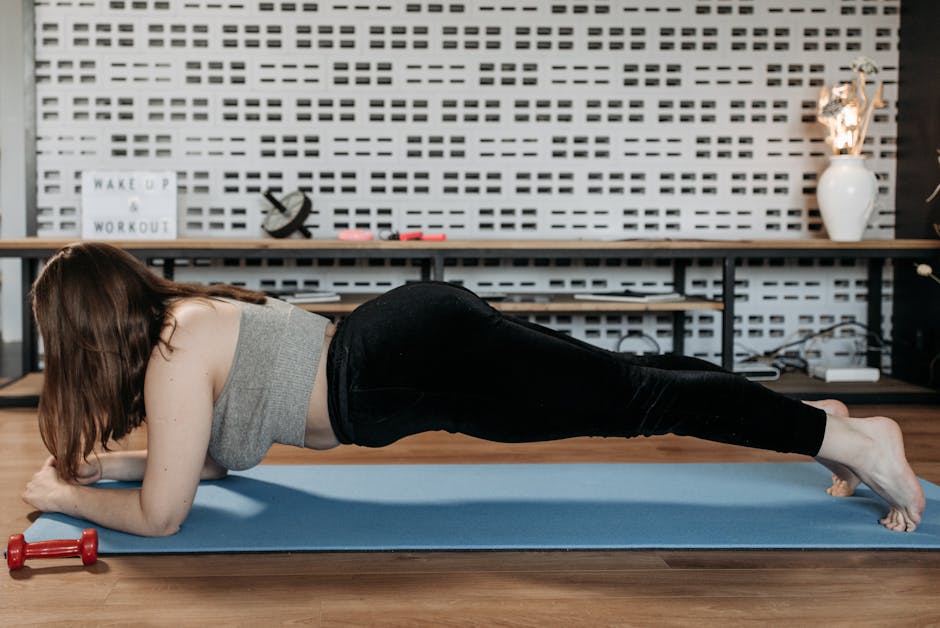
| Bent-Knee Plank | Forearms on the floor, knees on ground, hips in line, hold steady. | 30 seconds | Transverse abdominis, shoulders |
| Bird Dog | On all fours, extend one arm and opposite leg, hold, switch sides. | 8 reps per side | Back, abs, balance |
| Side-Lying Leg Raises | Lie on your side, lift top leg up and down slowly. | 12 reps per side | Obliques, hips |
| Standing March | March in place, drive knees to hip height, keep core engaged. | 1 minute | Hip flexors, core activation |
Tip: Complete each exercise once through as a circuit. Rest 30-60 seconds between moves. Once this feels easy, perform the full circuit 2-3 times.
Form Tips for Each Move
Dead Bug:
- Press your lower back gently into the floor the whole time.
- Move slowly and keep shoulder blades flat.
Glute Bridge:
- Drive through your heels, not your toes.
- Squeeze your glutes to lift, not just your lower back.
Bent-Knee Plank:
- Don’t let your hips sag or your back arch.
- Keep elbows directly under shoulders.
- Focus on pulling your belly button up towards your spine.
Bird Dog:
- Keep hips level; don’t twist.
- Reach arm and leg long rather than high.
Side-Lying Leg Raises:
- Keep the top hip stacked directly above the bottom hip.
- Lift slowly and with control.
Standing March:
- Stay tall, don’t lean back.
- Move with intention; keep your core braced.
Weekly Core Training Schedule for Beginners
Consistency is the secret sauce to results. Here’s a simple schedule:
| Day | Activity |
|---|---|
| Monday | Core Routine + Light Walk |
| Tuesday | Rest or Easy Stretching |
| Wednesday | Core Routine |
| Thursday | Rest or Yoga |
| Friday | Core Routine + Short Walk |
| Saturday | Active Recovery (Stretch/Yoga) |
| Sunday | Rest |
Note: As you get stronger, you can add a fourth day or increase circuit rounds.
Common Beginner Mistakes
Avoid these pitfalls for safe, effective progress:
-
Rushing Reps:
Go slow with each movement. Quality always wins over quantity. -
Holding Your Breath:
Practice regular breathing—exhale during exertion, inhale during the easier part of the move. -
Poor Form:
Sacrificing correct form for more reps can lead to discomfort or injury. -
Skipping Warm-Ups and Cool-Downs:
Warming up gets your body ready, while a short stretch after helps recovery. -
Not Engaging the Core:
Focus mentally on your core throughout every exercise. -
Inconsistent Practice:
Consistency is key—aim for at least 2-3 times weekly.
Pros and Cons of Equipment-Free Core Training at Home
| Pros | Cons |
|---|---|
|
|
Advanced Tips: Level Up When You’re Ready
- Add Holds: Increase plank holds or perform dead bugs slower for added challenge.
- Include Variations: Try plank with leg or arm lifts, side planks, or standing rotational movements.
- Reduce Rest: Shorten rest periods as you build endurance.
- Increase Volume: Add another round to your circuit or increase reps and sets.
- Work on Mobility: Add dynamic stretches for the hips and thoracic spine.
- Add Balance Focus: Try standing on one foot or perform movements on an unstable surface (like a pillow).
How to Tell if Your Core is Getting Stronger
- Exercises feel easier and form improves.
- Better posture when sitting and standing.
- Lower incidence of back pain or discomfort.
- Improved balance—can stand on one leg longer or move more steadily.
- Clothes may fit better as your muscle tone changes.
Stretching and Recovery for Core Training
Don’t skip cool-down stretches! Recovery prevents soreness and keeps you flexible.
- Cobra Stretch: Lie face down, press chest up while hips stay on the floor—stretches abs.
- Child’s Pose: Sit back on heels with arms outstretched for back release.
- Kneeling Hip Flexor Stretch: Kneel on one knee, gently press hips forward for a gentle hip and core stretch.
Frequently Asked Questions: Core Workouts for Beginners
How often should I do core workouts?
Aim for 2-4 times per week. Your muscles need at least one day of rest between sessions to recover and grow stronger.
Can I do these core exercises if I have back pain?
Many bodyweight core exercises are designed to support and ease pressure on your spine. However, if you have an injury or back issues, consult with your doctor before starting any exercise program.
When will I see results?
Most people notice improved posture and greater ease with movement in as little as 3-4 weeks of consistent practice.
Can I combine core exercises with other workouts?
Absolutely! Core work is a great warm-up or finisher to any fitness routine such as walking, yoga, or strength training.
Is it normal to feel sore?
Mild muscle soreness is common, especially if you’re new to core training. This should subside within 1-2 days; if pain persists, rest and review your form.
Helpful Resources for Further Learning
- ACE: Top Bodyweight Core Exercises
- Verywell Fit: Why Core Strength Is So Important
- CSP: Core Stability Exercises
Conclusion: Stronger Core, Better Life
Don’t underestimate the benefits of consistent core exercises—even without equipment. Just a few minutes per session can dramatically improve your posture, balance, and overall movement efficiency. Stick with the beginner routine provided, focus on your form, and remember: the best core workout is the one you’ll do regularly! With commitment and patience, you’ll see and feel the results in your daily life.
Ready to get started? Lay down your mat and give your first 15-minute session a try. Your future self (and your spine) will thank you!
```


0 Comments