

Jump Rope Workout Routine at Home: Beginner Friendly for Weight Loss
Looking for an effective, affordable, and fun way to kickstart your weight loss and boost your cardio at home? Jump rope workouts are making a comeback for good reason—they torch calories, improve cardiovascular health, and can be tailored for all fitness levels. In this comprehensive, beginner-friendly guide, you’ll learn everything you need to know to start a jump rope workout routine at home for weight loss, from the equipment you’ll need, how to get started, sample routines, common pitfalls, FAQs, and even advanced tips. Let’s jump right in!
Why Choose Jump Rope for Weight Loss and Cardio?
Whether you're a complete beginner or returning to fitness, jumping rope is one of the most efficient ways to lose weight at home. Just 10 minutes of jump rope can burn as many calories as running an eight-minute mile! Here are some of the top reasons why jump rope is perfect for weight loss and cardiovascular fitness:
- High Caloric Burn: Jumping rope burns roughly 10-16 calories per minute, depending on your intensity and weight.
- Time Efficient: Short sessions deliver results, making it easy to fit into even the busiest schedules.
- Minimal Equipment: All you need is a jump rope and a clear area at home.
- Portable: You can take your workout anywhere.
- Full-Body Engagement: It targets legs, arms, shoulders, and core for a comprehensive workout.
- Improved Coordination: Develops timing, balance, and rhythm alongside fitness.
What You’ll Need to Start Jump Rope Workouts at Home

Before you spring into action, let’s cover the basics of what you’ll need to get started:
1. Choosing the Right Jump Rope
- Material: For beginners, a PVC (plastic) rope is lightweight and affordable. For durability, try a coated steel cable rope.
-
Length: Stand on the rope’s midpoint; the handles should reach your armpits. Here’s a handy table:
Your Height Rope Length Under 5'0" 7 ft 5'0" – 5'5" 8 ft 5'6" – 5'11" 9 ft 6'0" – 6'4" 10 ft Over 6'4" 11 ft - Handles: Comfortable, with a non-slip grip.
2. Proper Workout Attire
- Wear supportive athletic shoes to protect your feet and joints.
- Choose comfortable, moisture-wicking clothing.
3. Safe Workout Space
- Clear at least 6x6 feet of open space.
- Use a non-slippery surface like a mat or wooden floor.
- Avoid jumping on concrete to minimize joint impact.
Jump Rope Basics: How to Get Started
Before jumping into a full workout, master proper technique. This helps prevent injuries and ensures effective exercise.
Step-by-Step: Jump Rope Technique for Beginners
- Grip the handles lightly with your fingers, not a tight fist.
- Stand upright with your feet together, elbows close to your sides.
- Use wrists to turn the rope—not your whole arms or shoulders.
- Jump a couple of inches off the ground—just enough for the rope to pass under your feet.
- Land softly on the balls of your feet, keeping your knees slightly bent.
Common Jump Rope Styles
- Basic Bounce: Two feet together, small controlled jumps.
- Alternate Foot Step: Jog in place as you skip. Great for longer sets.
- High Knees: Bring knees toward chest for more intensity.
- Boxer Step: Shift weight side to side. Easier on your joints.
Beginner Friendly Jump Rope Workout Routine at Home
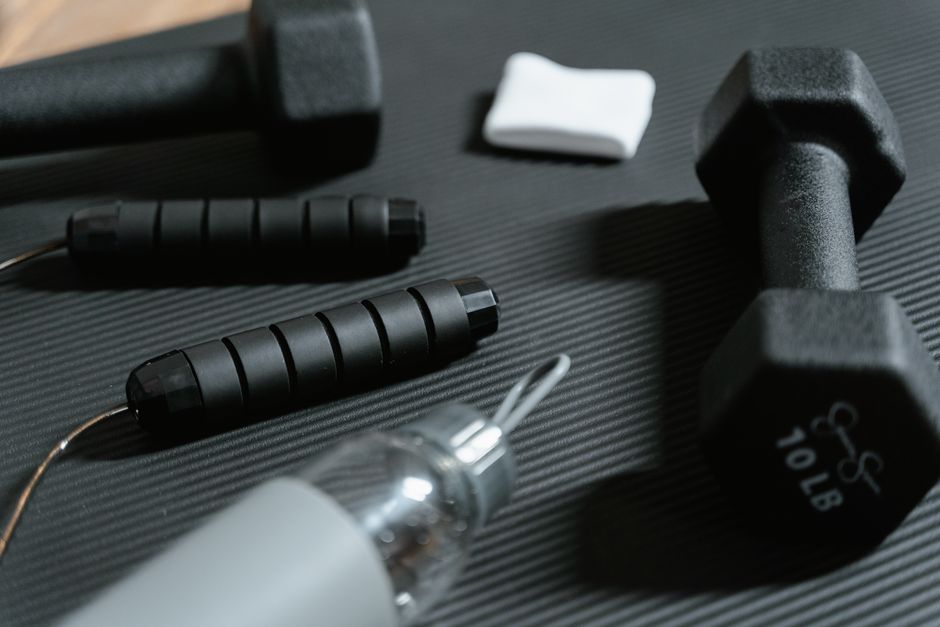
Here’s a step-by-step, week-by-week plan. Adjust intensity based on your fitness and goals.
Sample Jump Rope Workout Routine: Weeks 1–4
| Week | Warm-Up | Main Workout | Rest | Cooldown |
|---|---|---|---|---|
| Week 1 |
5-min light march or jogging in place Arm circles & dynamic stretches |
6 x 30 sec jump rope 60 sec rest between sets |
2-3 min between circuits |
5 min stretching Focus on calves, hamstrings, shoulders |
| Week 2 | Same as Week 1 |
8 x 30 sec jump rope 45 sec rest |
2 min between circuits | 5 min cooldown stretching |
| Week 3 | Same as Week 1 |
6 x 45 sec jump rope 45 sec rest |
90 sec between circuits | 5 min cooldown stretching |
| Week 4 | Same as Week 1 |
5 x 60 sec jump rope 30 sec rest |
60 sec between circuits | 5 min cooldown stretching |
How Many Days per Week Should You Jump Rope?
- Start with 2–3 days per week, allowing at least one day of rest between sessions.
- Gradually work up to 4–5 days per week as your fitness improves.
- Listen to your body—if you feel excessive soreness or pain, rest an extra day.
Beginner Jump Rope Workout (Example)
- Warm up: 5 minutes of light jogging/marching and dynamic stretches.
- Jump rope:
- 30 seconds basic bounce
- 30 seconds rest
- Repeat 6 times (total: 6 minutes of work)
- Cool down: 5 minutes of stretching (focus on calves, hamstrings, shoulders).
Tips for Effective Cardio and Weight Loss with Jump Rope
- Consistency: Regular, moderate-intensity sessions yield long-term results.
- Combine with Diet: Weight loss is most successful when paired with a healthy diet.
- Progress Gradually: Increase duration or frequency weekly to avoid burnout or injury.
- Mix It Up: Try intervals (fast/slow), footwork variations, or add resistance (weighted ropes) once you’re comfortable.
- Track Progress: Note your duration, sets, and energy levels to stay motivated.
Advanced Tips: Take Your Jump Rope Workout Up a Notch
- Interval Training (HIIT): Alternate periods of 30 sec fast jumping/30 sec rest for 15-20 minutes for serious calorie burn.
- Incorporate Strength: Add push-ups, squats, or planks between jump rope intervals.
- Weighted Rope: Use a heavier jump rope for added resistance and muscle engagement.
- Tricks and Skills: Try double-unders, cross-overs, or side swings for variety and challenge.
- Include Core Work: Combine jump rope with planks, mountain climbers, or Russian twists for better abdominal results.
Common Beginner Mistakes with Jump Rope (and How to Fix Them)
- Jumping Too High: Only jump 1-2 inches off the ground. High jumps waste energy and strain joints.
- Using the Arms Too Much: Rotate the rope with your wrists, not full arms.
- Wrong Rope Length: Too long or short makes jumping awkward. Use the guide above to size correctly.
- Poor Footwear: Jumping barefoot or with the wrong shoes can cause injury. Use proper cross-training shoes.
- Skipping Warm-Up/Cool-Down: Not preparing or winding down your body can lead to strains or soreness.
- Ignoring Rest: Overdoing jump rope daily can lead to shin splints or knee pain. Schedule rest days.
Pros and Cons of Jump Rope for Weight Loss
| Pros | Cons |
|---|---|
|
|
Jump Rope for Weight Loss: How Many Calories Can You Burn?
Here’s an estimated breakdown of calorie burn for different weights and durations:
| Body Weight | 10 min | 20 min | 30 min |
|---|---|---|---|
| 125 lbs (57 kg) | 110-130 cal | 220-260 cal | 330-390 cal |
| 155 lbs (70 kg) | 135-160 cal | 270-320 cal | 405-480 cal |
| 185 lbs (84 kg) | 155-185 cal | 310-370 cal | 465-555 cal |
(Actual calorie burn varies depending on intensity, speed, and fitness level.)
FAQs: Jump Rope Workout Routine at Home for Beginners
Is jump rope good for beginners?
Absolutely! Jump rope is a scalable workout. Start with short sessions and focus on form, then gradually increase your duration.
How often should I do jump rope for weight loss?
Aim for at least 2–3 times per week, gradually building up to 4–5 days a week as you get fitter.
Can you lose belly fat by jumping rope?
Spot reduction isn’t possible, but jump rope burns overall body fat, including from the abdominal area, when paired with a proper diet.
What if I keep tripping on the rope?
This is common for beginners. Check your rope length and practice timing—try slower jumps and work up to faster speeds.
Is jump rope safe for my knees?
If done with proper footwear, soft landings, and on a forgiving surface, it is safe for most. Anyone with joint issues should consult a doctor first.
What is the best surface for jump rope at home?
Use a mat, wooden or rubber flooring. Avoid hard tile or concrete, which can stress your joints.
Supplementing Your Jump Rope Routine
While jump rope is powerful on its own, combining it with bodyweight exercises amplifies results:
- After each set of jumping, add in 10-20 reps of bodyweight squats, lunges, push-ups, or core moves for a full-body fat-burning circuit.
Sample Fat-Burning Jump Rope Circuit
- 30 seconds jump rope (basic bounce)
- 15 bodyweight squats
- 30 seconds jump rope (alternate foot jog)
- 10 push-ups
- Rest 90 sec. Repeat for 3–4 rounds.
Motivation: Sticking with Your Jump Rope Routine
- Set small, realistic goals: e.g., do 10 more jumps per session, master a new step, or complete three sessions a week.
- Track progress: Use a notebook, phone app, or even record your sessions for a confidence boost.
- Create a playlist: Music with a fast tempo can boost your skipping rhythm and motivation.
- Join online communities: Share your journey, find challenges, and encourage others.
Conclusion: Your First Steps Toward Fitness
A beginner-friendly jump rope routine is one of the speediest ways to kickstart weight loss and improve heart health—all from the comfort of your home. All you need is a quality rope, safe space, and a healthy dose of motivation. Remember, fitness is a journey: start slow, focus on form, and ramp things up at your own pace. With consistency and a bit of creativity, your jump rope workout will help you reach your cardio and weight loss goals faster than you imagined.
Key Takeaways
- Jump rope is a high-calorie-burning, effective cardio workout perfect for beginners at home.
- Start with short, regular sessions, focus on proper form and safety, and advance at your own pace.
- Mix in bodyweight moves, track your progress, and avoid common mistakes for best results.
Ready to get started? Grab a rope, clear some space, and jump into a healthier you today!
```


0 Comments