

10-Min Beginner Resistance Band Glute Workout for Stronger Legs
Are you ready to sculpt, strengthen, and tone your legs and glutes—right from the comfort of your home? Building a powerful lower body not only improves your daily movement and posture, but also helps boost your overall strength and metabolism. If you’re a beginner and feel overwhelmed by complicated gym equipment or intimidating workout routines, resistance bands are your new best friend! In this comprehensive guide, you'll learn exactly how to start a beginner-friendly resistance band glute workout routine at home, specifically designed to help you build lower body strength and achieve lean, toned legs.
Why Choose Resistance Bands for Glute Workouts?
Resistance bands are one of the most versatile, affordable, and user-friendly pieces of workout equipment available. Whether your goal is to build muscle, improve stability, or correct imbalances, these bands have you covered.
- Portable: Easy to store and perfect for small spaces.
- Adaptable: Suitable for all fitness levels and can modify resistance.
- Effective: Efficiently targets your glute muscles for optimal activation.
- Joint-Friendly: Lower impact than heavy free weights, reducing injury risk.
Understanding Your Glutes and Lower Body Muscles
Before getting started, it's helpful to familiarize yourself with the main muscle groups involved in lower body movements:
| Muscle Group | Function | Targeted by |
|---|---|---|
| Gluteus Maximus | Main powerhouse; extends and rotates the hips | Hip thrusts, Bridges, Squats |
| Gluteus Medius & Minimus | Abducts and stabilizes hips | Clamshells, Lateral Band Walks |
| Hamstrings | Bend the knee and extend the hip | Bridges, Deadlifts |
| Quadriceps | Straighten the knee, hip flexion | Squats, Lunges |
| Hip Flexors | Lift the knee and bend at the waist | Leg Raises, Standing Marches |
Setting Up for Success: What You Need
- Resistance Bands: Start with light or medium loop bands.
- A supportive exercise mat (optional, for comfort).
- Comfortable activewear that allows you to move freely.
- Water bottle to stay hydrated.
- Timer or stopwatch to stay on track.
Find a clear, open space with enough room to move in all directions. Let's dive into your new workout!
10-Min Beginner Glute Resistance Band Routine
Here’s a simple, efficient, and effective 10-minute lower body routine designed specifically for beginners. This workout focuses on activating your glutes, strengthening your legs, and burning calories—all while using just a resistance band.
Warm-Up (2 Minutes)
Never skip a warm-up! Priming your muscles helps prevent injury and improves performance.
- 30 seconds: Bodyweight squats
- 30 seconds: Alternating lunges
- 30 seconds: Standing hip circles (15 seconds each direction)
- 30 seconds: March in place or gentle high knees
Main Routine (7 Minutes)
Repeat the following circuit twice. Rest for 30 seconds between rounds.
-
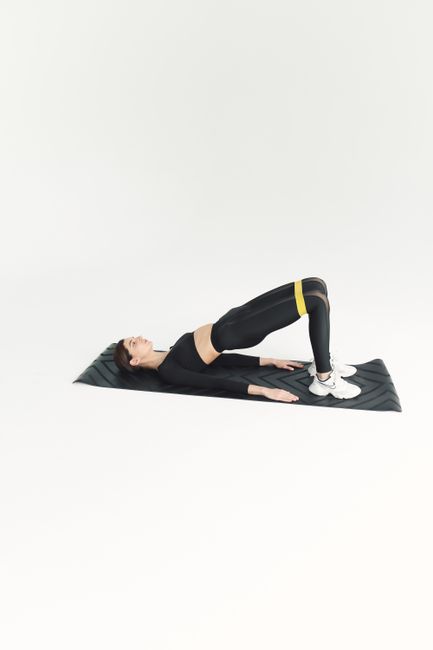
Banded Glute Bridge — 12 reps
Targets: Gluteus maximus, hamstrings
How to: Lie on your back, knees bent, feet flat, band above your knees. Press feet into the floor and lift your hips while spreading knees against the band. Squeeze glutes at the top, then lower slowly.
-
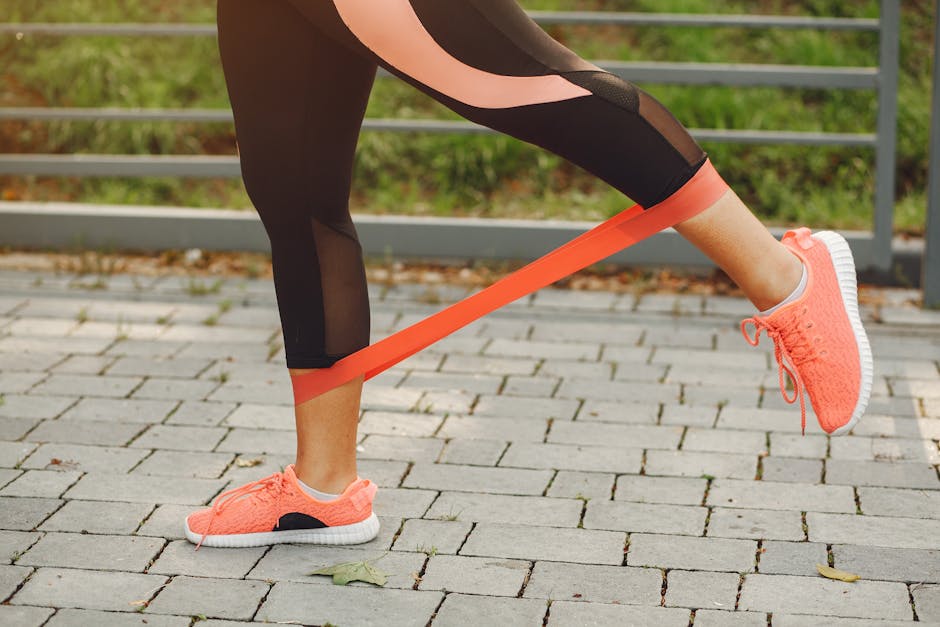
Standing Lateral Band Walk — 12 steps each direction
Targets: Gluteus medius/minimus
How to: Stand with feet hip-width apart, band above ankles or knees. Slightly bend your knees and step side-to-side, keeping tension on the band.
-
Banded Squats — 15 reps
Targets: Glutes, quads, hamstrings
How to: Place the band just above your knees. Stand with feet shoulder-width apart. Squat down, pushing your knees outward against the band, then rise back to standing.
-
Banded Clamshell — 12 reps each side
Targets: Glute medius
How to: Lie on your side, knees bent, band above knees. Keeping feet together, lift your top knee, then lower. Switch sides after completing reps.
-
Kneeling Donkey Kickbacks with Band — 12 reps each side
Targets: Gluteus maximus
How to: On all fours, loop the band over your working foot and under your knees. Push your heel up toward the ceiling, squeezing your glute, then lower. Switch legs after reps.
Cool-Down (1 Minute)
- 30 seconds: Glute stretch (lying figure 4)
- 30 seconds: Standing quad stretch
How to Progress Your Glute Workout Over Time
Start with this routine 2-3 times per week. As you grow stronger, try these progression tips:
- Increase resistance: Use stronger bands for more challenge.
- Add sets or reps: Do an extra round or more repetitions.
- Shorten rest time: Rest less to increase intensity.
- Advance to new moves: Try single-leg bridges, Bulgarian split squats, or deadlifts with bands.
Sample Weekly Schedule
| Day | Activity |
|---|---|
| Monday | 10-Min Glute Band Routine |
| Tuesday | Active recovery (walking, stretching) |
| Wednesday | 10-Min Glute Band Routine |
| Thursday | Upper body or core exercises |
| Friday | 10-Min Glute Band Routine |
| Saturday | Rest or gentle yoga |
| Sunday | Optional: Full-body stretching session |
Beginner Mistakes to Avoid
- Skipping Warm-Ups: Increases injury risk and reduces effectiveness.
- Letting Bands Go Slack: Always maintain tension for maximum muscle activation.
- Incorrect Form: Quality over quantity; moving too fast or with poor alignment can cause discomfort or injury.
- Using Bands That Are Too Heavy: Too much resistance forces bad technique. Begin lighter.
- Neglecting Recovery: Muscles need rest to repair and grow; avoid training glutes every day.
Advanced Tips as You Progress
- Add tempo variations (slow down reps for more time under tension).
- Combine with free weights (e.g., hold a dumbbell during squats for added resistance).
- Try single-leg variations (single-leg bridges, split squats) when you master basics.
- Focus on mind-muscle connection—think about squeezing the glutes with every move.
- Track your reps and resistance to see progress and keep motivated.
Pros and Cons of Resistance Band Glute Workouts
| Pros | Cons |
|---|---|
|
|
Frequently Asked Questions (FAQ)
1. How often should I do resistance band glute workouts as a beginner?
For beginners, 2-3 times per week is ideal. Always allow at least 48 hours between glute sessions for recovery.
2. How long will it take to see results?
Most people notice improvements in glute strength and appearance within 4–6 weeks of consistent workouts. Pair your routine with good nutrition and adequate rest for best results.
3. Can I combine this with other types of exercise?
Absolutely! Resistance band glute routines pair well with walking, yoga, cycling, running, or upper body workouts.
4. What should I do if a move feels too easy?
Progress by: using a heavier band, increasing reps, adding a round, or slowing your tempo to increase muscle engagement.
5. Which resistance band is best for glute training?
Looped “mini” bands (12–18 inches) work best because they can be positioned above knees or ankles for targeted lower body moves. Fabric bands tend to slip less than rubber.
Helpful Tips for Maximizing Your Home Glute Workouts
- Focus on tension: Move slowly and keep the band taut to maximize muscle activation during each rep.
- Breathe mindfully: Exhale during the main effort (e.g., lifting hips in a bridge).
- Video your form: Record yourself to ensure you’re moving correctly, especially during squats and lunges.
- Play music or follow along with a timer: This keeps you motivated and on track.
- Upgrade your bands as you get stronger: Don’t let yourself coast—progress = results!
Combining Nutrition and Lifestyle for Better Results
Muscle growth and toning are enhanced by healthy nutrition and lifestyle. Prioritize:
- Protein: Essential for repairing and building muscle. Aim for lean meats, beans, tofu, Greek yogurt, and eggs.
- Hydration: Drink plenty of water before, during, and after workouts.
- Sleep: Aim for 7-9 hours to optimize muscular recovery.
- Consistency: Stick to your workout schedule—results compound over time.
Sample 10-Min Glute Band Workout Routine (Printable)
| Exercise | Reps/Time | Target Area |
|---|---|---|
| Glute Bridge | 12 reps | Glutes, Hamstrings |
| Lateral Band Walk | 12 steps each way | Glute Medius/Minimus |
| Banded Squat | 15 reps | Glutes, Quads, Hamstrings |
| Clamshell | 12 reps each side | Glute Medius |
| Donkey Kickbacks | 12 reps each side | Glute Maximus |
Repeat the circuit twice, resting for 30 seconds between rounds.
Conclusion: Start Strong and Stay Consistent!
Jumpstarting your lower body strength with a simple 10-minute resistance band glute workout is the perfect way to build muscle, boost confidence, and tone your legs—all without leaving home. Resistance bands are beginner-friendly, highly effective, and allow you to continuously challenge yourself as you grow stronger. Remember to pay attention to proper form, keep workouts consistent, and fuel your progress with quality nutrition and rest.
Ready to see results? Grab your resistance band, hit play on your favorite playlist, and start your journey to stronger legs and a sculpted, powerful lower body—10 minutes at a time!
Related Topics
- The Best Resistance Bands for Beginners: How to Choose and Use Them for Glute Workouts
- Common Mistakes to Avoid When Starting Your At-Home Glute Band Routine
- How to Track Your Progress and Stay Motivated with Resistance Band Lower Body Workouts



0 Comments