

Beginner Chair Workout Routine at Home for Seniors & Mobility Limits
Finding a way to maintain physical activity and strength is crucial for everyone, but especially for seniors and those facing limited mobility. Life can bring changes to our bodies, but these changes do not mean we should give up on fitness altogether. In fact, exercise plays a vital role in supporting physical health, mental well-being, and independence as we age.
One of the most practical and accessible solutions is a chair workout routine. Chair exercises are gentle on the joints, adaptable to a variety of fitness levels, and can be performed in the comfort and safety of your own home. Whether you are recovering from an injury, dealing with arthritis, wheelchair-bound, or simply looking to start slow, a beginner-friendly chair workout offers a fantastic gateway to better health.
Why Are Chair Workouts Important for Seniors and Individuals with Limited Mobility?
Maintaining an active lifestyle becomes more challenging with age or mobility restrictions – but regular movement is still essential. Here are some key reasons why chair-based exercise routines make sense:
- Accessibility: Exercises can be adapted for virtually all body types and conditions.
- Safety: Being seated reduces the risk of falls and injuries.
- Improved circulation: Movement helps prevent swelling and blood clots.
- Maintains flexibility and strength: Essential for daily living activities.
- Boosts mood and mental health: Regular activity can help reduce anxiety and depression.
- Encourages independence: Physical strength supports self-care and daily movement.
How to Start a Beginner Chair Workout Routine at Home

Starting a new exercise habit can feel daunting, especially if you are dealing with mobility issues or are new to fitness. Here are step-by-step guidelines to set yourself up for success.
Step 1: Check with Your Doctor
- If you are managing medical conditions or injuries, talk to your healthcare provider before beginning an exercise routine. Get their clearance and any specific recommendations.
Step 2: Choose the Right Chair
- Use a sturdy, straight-backed chair without wheels or armrests (unless you need them for support).
- Ensure the chair is on a flat, even surface, and that you have plenty of space around you.
Step 3: Gather Simple Equipment (Optional)
- You can perform most exercises using just your body weight.
- Optional equipment: light dumbbells, resistance bands, a small ball, or water bottles for added resistance.
- Have a bottle of water nearby to stay hydrated.
Step 4: Find the Right Atmosphere
- Wear comfortable clothes that allow movement.
- Choose a quiet, well-lit space with good ventilation.
- Play your favorite uplifting music to add motivation!
Step 5: Set Realistic Goals
- Start with what you can comfortably do, even if it’s just 5-10 minutes.
- Set weekly goals and track your progress.
- Remember: consistency matters more than intensity.
Beginner-Friendly Chair Workout: Weekly Plan
Here's a simple plan to help you ease into regular exercise. This routine is designed for seniors and people with limited mobility but can be adapted for all fitness levels.
Sample Weekly Chair Exercise Schedule
| Day | Focus | Duration (minutes) | What to Do |
|---|---|---|---|
| Monday | Full Body | 15 - 25 | Chair cardio + upper/lower body moves + stretching |
| Tuesday | Core & Balance | 15 - 20 | Seated marches, twists, posture row, balance exercises |
| Wednesday | Rest or Gentle Stretch | 5 - 10 | Chair yoga, gentle range-of-motion stretches |
| Thursday | Upper Body Strength | 15 - 25 | Bicep curls, overhead presses, shoulder circles, tricep extensions |
| Friday | Lower Body Strength | 15 - 20 | Seated leg extensions, knee lifts, toe/heel taps, inner thigh squeeze |
| Saturday | Gentle Aerobics | 15 - 20 | Chair marches, step taps, arm movements for cardio |
| Sunday | Rest | --- | Enjoy a well-earned break! |
Tip: Feel free to swap days or adjust the plan according to your energy levels!
10 Best Beginner Chair Exercises (Step-by-Step)
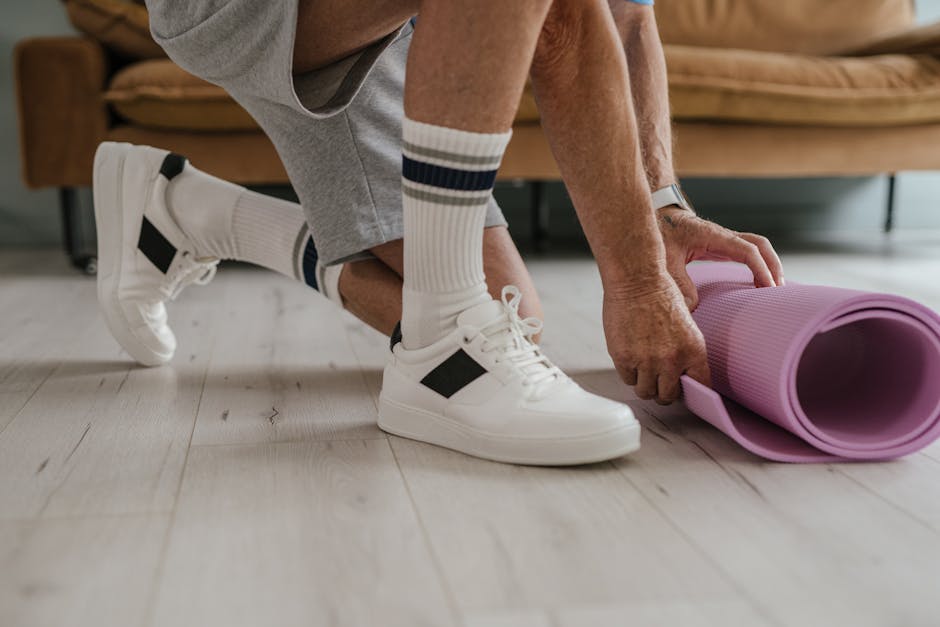
Here are some fundamental chair exercises, complete with easy instructions. Always start your workout with 3-5 minutes of gentle warm-up movements and end with a cool-down stretch.
-
Seated Marches
Sit tall with feet flat, core engaged. Lift one knee toward your chest, then lower it. Alternate legs. Continue for 30-60 seconds. Great for heart health and leg mobility. -
Toe and Heel Taps
Place both feet flat on the floor. Tap your toes up and down for 10-15 reps, then switch to heel tapping for another set. Strengthens lower legs and improves circulation. -
Chair Side Reaches
With feet grounded, stretch one arm overhead and gently lean to the side. Hold for 5-10 seconds, then switch arms. Repeat 5 times each side. -
Seated Bicep Curls
Hold light dumbbells or water bottles. Keeping elbows close to your body, curl hands up toward shoulders, then lower. 10-15 reps. -
Seated Leg Extensions
Sit tall, extend one leg out straight, pause, lower it. Alternate legs for 10-15 reps each. -
Shoulder Circles
Sit tall, arms at sides. Gently roll shoulders forward for 10 circles, then backward for another 10. -
Knee Lifts with Arm Punches
Lift one knee while “punching” the opposite arm forward. Alternate 10-20 times. Good for coordination and cardio. -
Posture Row
Hold arms out in front, elbows bent, palms down. Pull elbows back, squeezing shoulder blades, then return. 10-12 reps. -
Inner Thigh Squeeze
Place a small ball, folded towel, or cushion between your knees. Squeeze and release for 10-15 reps. -
Seated Calf Raises
With feet flat, lift your heels as high as possible, then lower. Repeat 10-15 times. Strengthens ankles and calves.
How Many Sets and Repetitions?
- For each exercise: aim for 1-2 sets of 10-15 repetitions.
- If you feel strong and confident, add a third set.
- Always rest as needed between exercises.
Basic Seated Warm-Up (3-5 Minutes)
- Shoulder shrugs
- Neck rolls
- Gentle waist twists
- Wrist and ankle circles
- Slow seated marches
Seated Cool-Down Stretch (3-5 Minutes)
- Gentle hamstring stretch: extend one leg, reach toward your toes
- Shoulder stretch across your chest
- Overhead arms reach
- Gentle side bend
- Slow, deep breaths
Pros and Cons of Chair Workout Routines for Beginners
| Pros | Cons |
|---|---|
|
|
Common Mistakes Beginners Make with Chair Workouts
- Skipping the Warm-Up: Jumping in without preparing the body can cause stiffness or strain.
- Poor Posture: Slouching reduces benefits and can cause aches. Sit tall and keep your core engaged.
- Doing Too Much, Too Soon: Overexertion leads to fatigue, soreness, or injury. Build up slowly.
- Not Breathing Properly: Holding your breath during effort. Instead, exhale on exertion, inhale on release.
- Lack of Consistency: Sporadic workouts make progress impossible. Stick to your plan!
- Ignoring Pain: Discomfort is a cue to stop. Only mild muscle fatigue is normal.
- Using Too Much Weight: Start light, focus on form, and progress with caution.
- Neglecting Flexibility or Stretching: Mobility is just as important as strength.
Advanced Tips for Making Progress Over Time
- Gradually increase your repetitions or sets as you get comfortable.
- Introduce new exercises to keep things interesting and work different muscles.
- Use resistance bands or slightly heavier dumbbells for strength improvements.
- Try interval-style cardio (e.g., 30-60 seconds of fast-paced marching with 30 seconds of rest).
- Focus on slow, controlled movements to enhance muscle engagement.
- Work on your balance by briefly pausing at the top of each movement.
- Track your progress weekly to see improvements and stay motivated.
- Pair your routine with a healthy, balanced diet for best results.
- If available, consider joining a virtual chair fitness class for social interaction and extra guidance.
Staying Motivated: Making Chair Workouts a Fun Part of Life
- Exercise with a partner, friend, or family member.
- Set small, achievable milestones (like doing an extra rep or exercise).
- Choose a playlist or audiobook you enjoy while working out.
- Celebrate your progress, no matter how modest.
- Mix up the routine regularly to keep things fresh.
- Remind yourself of the benefits: more energy, greater independence, better mood!
Frequently Asked Questions (FAQ) About Chair Workouts for Seniors and Limited Mobility
- Is a chair workout routine safe for all seniors?
- Most seniors can safely participate, but those with unstable health issues or recent surgeries should get medical clearance first. Always listen to your body and progress at your own pace.
- How often should I do chair exercises?
- Aim for at least 3-5 days per week for best results. Even short daily sessions are beneficial.
- Can I do chair workouts if I use a wheelchair?
- Absolutely! Many exercises can be adapted for wheelchair users. Just ensure your chair is locked and stable.
- What should I do if I feel pain during an exercise?
- Stop immediately. Only mild muscle fatigue is normal. Persistent pain means you need to modify the movement or check with your doctor.
- Do I need special equipment?
- No. All you need is a sturdy chair. Light weights, bands, or a ball can add variety but are totally optional.
- How do I keep my routine interesting?
- Vary your exercises, add light music, invite a friend to join, or follow along with online workout videos.
- Will chair workouts help me lose weight?
- Any increase in activity helps with calorie burn. Pair chair workouts with a balanced diet for the best chance at healthy weight management.
- Are there chair workouts for specific health conditions (like arthritis or osteoporosis)?
- Yes! Many routines can be tailored to specific needs. For arthritis, focus on gentle range of motion and stretching. For osteoporosis, emphasize weight-bearing movements as tolerated, and consult a specialist.
Conclusion: Chair Workouts Open a World of Fitness for Everyone
Whether you are a senior, dealing with an injury, or simply want an accessible way to stay healthy, a beginner chair workout routine is a brilliant solution. These exercises build strength, improve flexibility, and boost confidence — all while keeping you safe.
Remember, it’s never too late to start moving for better health. Even 10 minutes a day can make a real difference. Set small goals, listen to your body, and most importantly, enjoy the journey. Your future self will thank you!
Further Resources
- Silver Sneakers programs (check their website for chair exercise videos)
- National Institute on Aging’s Go4Life chair exercise guides
- Your local community center or senior center may offer online chair fitness classes
For more senior fitness tips and accessible workout routines, bookmark this page and check back for updates!
```


0 Comments