
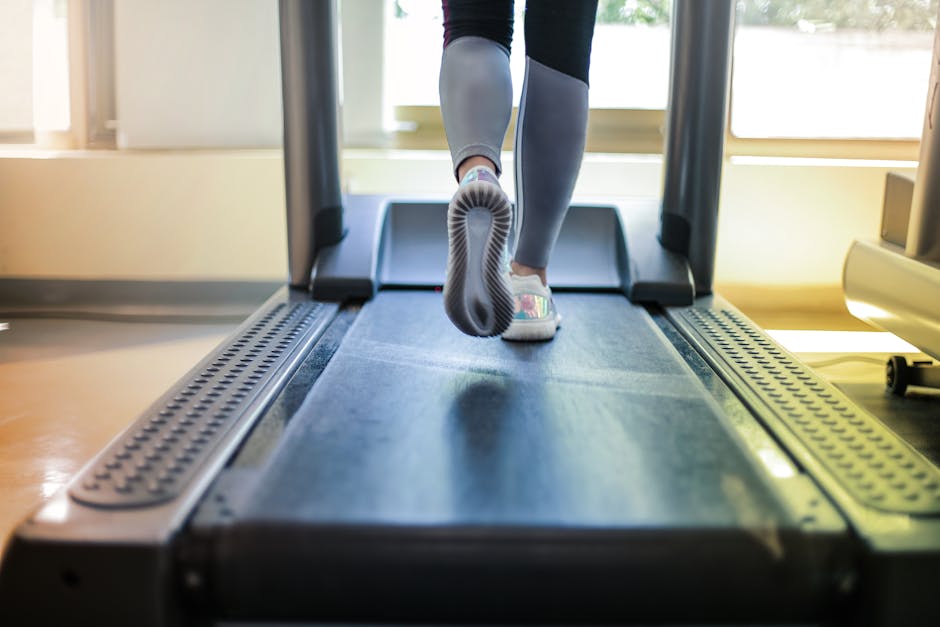
Beginner’s Incline Walking Workout at Home for Fat Loss & Heart Health
Walking is one of the most accessible and effective ways to improve your health, burn fat, and get fit. If you’re looking for a beginner-friendly routine that you can do in the comfort of your home, incline walking is an amazing choice. By simply adding an incline to your walking routine—such as on a treadmill or a manually created ramp—your body works harder, torching more calories and strengthening your heart, lungs, and legs.
In this comprehensive guide, you’ll discover exactly how to start an incline walking workout routine perfectly suited for beginners. We’ll cover the science, step-by-step instructions, sample routines, common mistakes to avoid, and tips to maximize your results.
Why Choose Incline Walking?
Before we dive into the how-to details, let's explore why incline walking is an excellent option for fat loss and cardiovascular health, especially for beginners.
Benefits of Incline Walking
- Burns More Calories: Even a slight incline increases calorie expenditure compared to flat walking.
- Low Impact: Gentle on joints, making it accessible for those with knee or back issues.
- Builds Lower Body Strength: Activates glutes, hamstrings, calves, and core more than regular walking.
- Heart Health: Elevates heart rate, promoting better cardiovascular endurance.
- Improves Balance and Coordination: Walking on an incline challenges your stability and muscle recruitment.
- Convenient for Home: Requires minimal space and equipment (just a treadmill with incline or a sturdy ramp).
- Flexible & Customizable: Easily adjust intensity by increasing incline, speed, or duration.
The Science Behind Incline Walking
When you walk uphill or on an incline, your body must work harder to propel itself forward and upward. This increases your heart rate and targets specific lower-body muscles, especially the glutes and hamstrings.
- Studies show incline walking can burn up to 50% more calories than walking on flat ground at the same speed.
- Incline walking can reduce dangerous visceral (belly) fat while also improving heart and lung function.
- Incline walking supports cardiovascular adaptations, increasing both aerobic and anaerobic capacities over time.
Getting Started: What You Need

Beginning an incline walking routine at home is simple, but safety and comfort matter. Here’s your basic starter kit.
Essential Equipment
- Treadmill with Incline: Best option for most. Look for one that offers at least a 10% incline.
- Alternative Option – DIY Ramp: Securely place a stable board on a slight slope for “incline” if no treadmill is available.
- Comfortable Walking Shoes: Supportive, cushioned shoes reduce risk of injury and make walking pleasant.
- Water Bottle: Stay hydrated during workouts.
- Towel: For sweat and comfort.
- Fitness Tracker or Heart Rate Monitor (optional): Track your effort and progress.
How to Set Up Your At-Home Incline Walking Space
- Clear the Area: Ensure your treadmill or ramp is set up on a flat, stable surface away from clutter.
- Safety First: Always use safety keys or features your treadmill may offer. Ensure nothing blocks the path around your workout area.
- Ventilation and Lighting: Keep your workout area well-ventilated. Good lighting keeps you alert and safe.
- Motivating Atmosphere: Add music, a fan, or place your treadmill facing a window for a more enjoyable session.
Step-by-Step Beginner Incline Walking Workout Routine
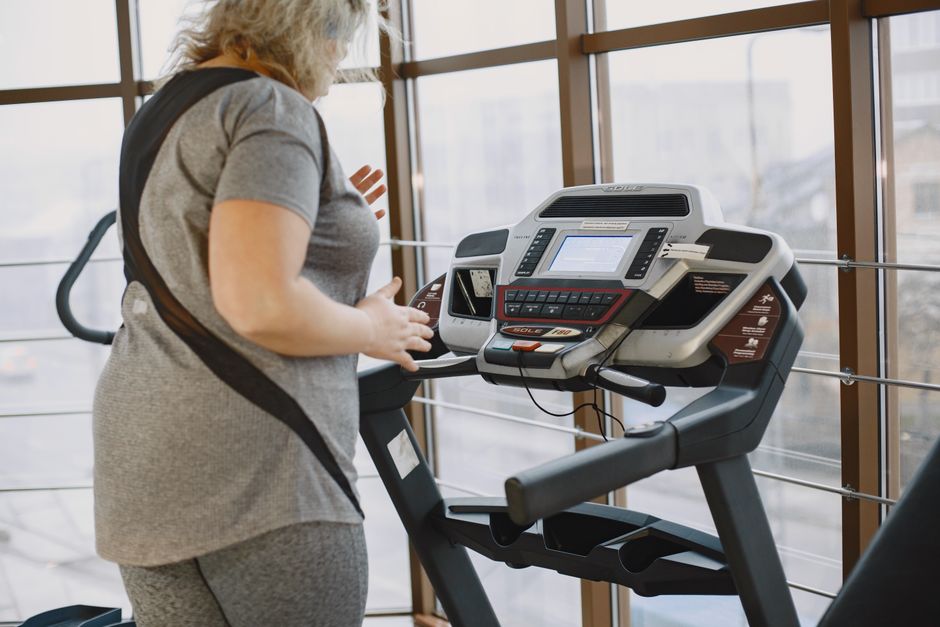
For best results, start slowly and progress steadily. Use the beginner routine below to build your endurance, burn fat, and improve your heart health. Always check with your doctor before starting a new exercise program, especially if you have health conditions.
Sample Weekly Incline Walking Schedule
| Day | Workout Plan |
|---|---|
| Monday | Incline Walk – 20 minutes |
| Tuesday | Rest or gentle, flat walk (10-15 minutes) |
| Wednesday | Incline Walk – 20-25 minutes |
| Thursday | Rest or gentle activity (stretching/yoga) |
| Friday | Incline Walk – 25 minutes |
| Saturday | Active rest (nature walk, chores) |
| Sunday | Incline Walk – 20 minutes |
Core Incline Walking Workout Outline
- Warm Up (5 minutes): Walk at flat incline (0–1%) and comfortable pace to get your body ready.
-
Main Workout (15–25 minutes):
- Option A: Steady Incline Walk – Set incline to 4%–6%. Walk at a pace where you can still hold a conversation, but feel challenged.
- Option B: Interval Incline Walk – Alternate between 2 minutes at 5–6% incline (brisk pace) and 2 minutes at 2–3% (recovery pace). Repeat for desired time.
- Cool Down (5 minutes): Return incline to flat and gradually decrease your walking speed.
Adjusting Intensity: Listening to Your Body
The key to success is consistency and gradual progression. Use the Rate of Perceived Exertion (RPE) or simply listen to your breath and comfort level:
- Easy: You could walk and talk all day (perfect for cool-downs and warm-ups).
- Moderate: You can talk in sentences, but you’re clearly working.
- Somewhat Hard: Conversation is limited to short phrases.
- Hard: You’re pushing yourself—used occasionally for brief intervals.
Start your workouts in the easy to moderate zone and only increase speed or incline once you feel ready. A good rule: increase no more than 10% in duration or incline per week.
Tracking Fat Loss and Cardiovascular Progress
While the scale is one way to measure fat loss, also pay attention to these signs of progress:
- Clothes feel looser around the waist and hips.
- You can walk longer or at steeper inclines without getting overly tired.
- Your heart rate returns to normal quicker after a walk.
- Overall energy and mood improve—hallmarks of better cardiovascular health!
- If using a fitness tracker, track distance, calories, and heart rate trends.
Tips for Maximizing Fat Loss & Heart Health with Incline Walking
- Stay Consistent: 3–5 workouts per week yields best results for beginners.
- Combine With Good Nutrition: Healthy eating boosts results—focus on lean protein, veggies, and hydration.
- Use Intervals: Adding short, harder intervals (higher incline/speed) boosts calorie burn and fitness.
- Focus on Form: Stand tall, engage your core, and avoid holding on tightly to the treadmill rails.
- Log Your Workouts: Tracking progress keeps you motivated and helps identify when you're ready to level up.
- Vary Your Routine: Change incline, speed, or workout duration every few weeks to keep things fresh and challenge your body.
- Stay Hydrated: Drink water before, during, and after your walk, especially if you're sweating or in a warm room.
Pros and Cons of At-Home Incline Walking Workouts
| Pros | Cons |
|---|---|
|
|
Common Beginner Mistakes to Avoid
- Going Too Hard Too Soon: Starting with high incline or long sessions can cause burnout or injury. Gradual progression is key.
- Poor Posture: Leaning too far forward or holding on tightly to handrails reduces workout effectiveness and can strain your back.
- Skipping Warm-Ups or Cool-Downs: Always ease into and out of sessions to prevent strains and boost recovery.
- Not Hydrating: Even mild dehydration hinders fat loss and makes workouts feel harder.
- Ignoring Discomfort: Mild muscle fatigue is normal, but pain (shins, knees, feet) is a warning sign—rest and seek guidance if needed.
- Only Focusing on Speed: Incline, rather than speed, is the main driver of fat loss and cardiovascular gains here. Quality > quantity!
- Neglecting Recovery: More isn't always better. Recovery days help you get stronger.
Advanced Tips: Taking Your Incline Walking to the Next Level
- Compound Intervals: Try mixing higher inclines (6–10%) at moderate speed with brief speed bursts on a lower incline.
- Weighted Walking: Add light ankle or hand weights for extra resistance, but only once you've built a solid fitness base.
- Longer Workouts: Build up to 40–60 minute incline walks for enhanced fat loss and endurance (only if you feel ready).
- Varied Inclines: Mix steady, rolling, and sprint intervals to challenge different muscles and keep sessions interesting.
- Heart Rate Training: Use a monitor to stay in your optimal fat-burning or cardio zone for maximal results.
- Backward Walking: Carefully try backward walking at a low speed and incline for new muscle activation (ensure safety grips are in place).
Frequently Asked Questions (FAQ)
How much incline is best for fat loss?
For beginners, 4%–6% incline is optimal—enough to boost calorie burn, but not too punishing. As you advance, try intervals up to 10% incline.
How often should I do incline walking workouts?
Aim for 3–5 sessions per week. Rest or do light activity in between to allow your body to recover and avoid burnout.
Can I lose belly fat with incline walking?
Yes—regular incline walking, combined with a healthy diet, can help reduce overall body fat, including stubborn belly fat. Targeted fat loss is a myth, but consistent calorie deficit works over time.
Is incline walking safe for people with bad knees or older adults?
Incline walking is low-impact and generally safe for most, but start with lower inclines and listen to your body. Consult your doctor before starting if you have joint issues or medical concerns.
How soon will I see results from incline walking?
With 3+ weekly sessions and mindful eating, you may notice increased stamina and mood within 2 weeks. Visible fat loss often becomes noticeable by 4–6 weeks.
Can I do incline walking without a treadmill?
Yes. Try brisk walks up gentle outdoor hills, or create a safe, stable ramp or incline in your home environment.
Should I walk faster or increase the incline for better results?
Both work, but for beginners, raising the incline a little is more effective than simply walking faster. You can gradually add both as you advance.
Incline Walking Workout Routine – Example Progression Plan
Here is a four-week sample program to help you build up as a beginner, focusing on safe, steady improvement.
| Week | Frequency (days/week) | Duration (minutes) | Incline (%) | Notes |
|---|---|---|---|---|
| 1 | 3 | 15–20 | 3–4% | Focus on mastering form, don’t overdo it |
| 2 | 3–4 | 18–22 | 4–5% | Add short intervals if you feel comfortable |
| 3 | 4 | 20–25 | 5–6% | Try 1–2 interval sessions per week |
| 4 | 4–5 | 25–30 | 6–7% | Begin varying incline and pace more |
Combining Incline Walking with a Healthy Lifestyle
- Diet Matters: Fat loss is mostly about calorie balance—pair your walks with mindful eating!
- Sleep & Stress: Adequate rest and stress management support fat loss and cardiovascular recovery.
- Routine Stacking: Add incline walks after bodyweight strength training or yoga for a total wellness boost.
- Support & Accountability: Share your progress with friends or online groups to stay motivated.
Conclusion: Step Up Your Health—One Inclined Walk at a Time!
Starting a beginner-friendly incline walking exercise routine at home is one of the smartest and most sustainable ways to lose fat and improve your cardiovascular health. With minimal equipment, you can enjoy efficient, low-impact workouts that quickly translate to real-world results. Guided by the principles in this article—solid technique, gradual progression, and a holistic healthy lifestyle—you’ll lay the foundation for lifetime fitness and well-being.
Remember: Fitness isn’t about intensity alone—it’s about consistency, enjoyment, and gradual progress. Lace up, set your incline, and take the first step to a healthier, more energetic you!
Related Topics
- Choosing the Best Incline Options at Home: Tips for Treadmills, Outdoor Ramps, and DIY Solutions
- How to Structure a 4-Week Progressive Incline Walking Plan for Beginners
- The Science Behind Incline Walking: Why It Burns More Fat and Boosts Heart Function



0 Comments