

Beginner Kettlebell Swing Routine at Home for Fat Loss & Core
If you're searching for an efficient, scalable, and enjoyable way to lose fat and strengthen your core at home, look no further than the kettlebell swing. This foundational movement not only burns calories and torches belly fat, but also builds a solid, functional core that supports long-term health and athleticism. In this comprehensive, step-by-step guide, you'll discover how to safely start a beginner kettlebell swing routine at home—even if you've never picked up a kettlebell before.
Table of Contents
- Why Kettlebell Swings for Fat Loss & Core Strength?
- Understanding the Fundamentals of Kettlebell Swings
- What You Need to Get Started
- Step 1: Warming Up—Preparing Your Body for Kettlebell Swings
- Step 2: Mastering Proper Kettlebell Swing Form
- Step 3: Creating Your Beginner Kettlebell Swing Routine
- Step 4: Progressions—How to Keep Challenging Yourself
- Beginner Mistakes to Avoid
- Pros and Cons of Kettlebell Swings at Home
- Advanced Tips for Faster Fat Loss & Stronger Core
- Frequently Asked Questions
- Conclusion
Why Kettlebell Swings for Fat Loss & Core Strength?
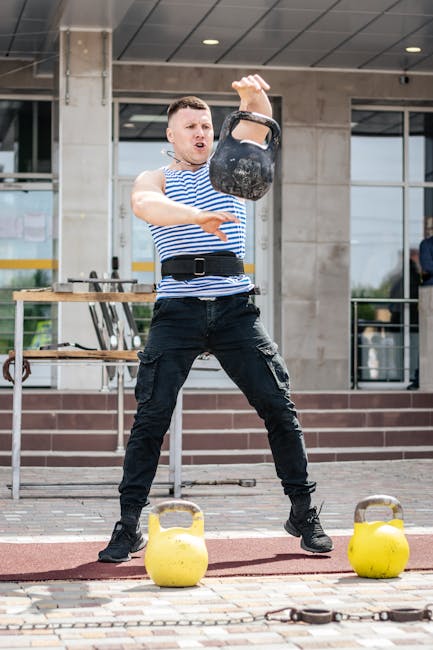
Kettlebell swings are a powerhouse exercise that packs a full-body punch. This dynamic movement:
- Burns high calories in a short amount of time—accelerating fat loss.
- Targets your core, glutes, hamstrings, shoulders, and forearms.
- Improves cardiovascular fitness and athletic performance.
- Boosts metabolic rate post-workout (afterburn effect).
- Can be done at home with minimal space or equipment.
Unlike fad routines or isolation exercises, kettlebell swings integrate movement patterns you use in daily life, strengthening your body in the ways that matter most. Plus, they're beginner friendly when learned correctly!
The Science Behind Fat Loss and Core Strength
- Fat Loss: Kettlebell swings use multiple large muscle groups, increasing your calorie expenditure. Combined with a calorie-controlled diet, they help you drop unwanted fat.
- Core Activation: The explosive hip hinge motion rapidly develops core stability and power. You'll feel your abs, obliques, and lower back working hard to control the swing.
Understanding the Fundamentals of Kettlebell Swings
What is a Kettlebell Swing?
The kettlebell swing is a dynamic strength and conditioning exercise that involves swinging a kettlebell between your legs and up to chest level (Russian swing) or overhead (American swing) using powerful hip movement.
Benefits Overview Table
| Benefit | How It Helps You |
|---|---|
| Fat Loss | High-intensity calorie burn and elevated metabolism boost fat loss. |
| Core Strength | Engages and strengthens deep abdominal and lower back muscles. |
| Improved Posture | Reinforces the posterior chain, counteracting modern "desk posture." |
| Cardiovascular Endurance | Athletic, full-body rhythm is similar to sprint intervals for the heart and lungs. |
| Functional Strength | Builds real-world power for lifting, carrying, and pushing. |
| Time Efficiency | Short, intense routines for busy schedules. |
What You Need to Get Started

Kettlebell Basics
- Weight: For men, a 12-16 kg (26-35 lbs) kettlebell is often ideal for starting. For women, 8-12 kg (18-26 lbs) is standard. If unsure, start lighter and focus on technique.
- Handle: Opt for a kettlebell with a smooth but non-slippery handle for comfortable, safe swings.
- Flat Space: At least 6’ x 6’; clear of furniture and breakables.
- Workout Clothes: Wear supportive shoes or go barefoot for better grip.
- Optional: Exercise mat for padding; towel and water bottle for sweat!
Step 1: Warming Up—Preparing Your Body for Kettlebell Swings
Always warm up to avoid injury and prepare your muscles and joints. Here’s a simple, effective mobility warm-up:
- Arm Circles x 20 sec each direction
- Hip Circles x 20 sec each direction
- Bodyweight Good Mornings x 10 reps
- Glute Bridges x 10 reps
- Air Squats x 10 reps
- Plank Hold x 20 seconds
Spend 5-7 minutes at a gentle pace, performing two rounds of the above. Focus on full, deep breaths to oxygenate your body and tune your nervous system for movement.
Step 2: Mastering Proper Kettlebell Swing Form
Key Points of Safe Kettlebell Swing Technique
- Movement is driven from your hips, not your arms.
- Maintain a flat back; avoid rounding your spine.
- Swing to just below or at chest level (Russian swing) for beginners.
- Knees bend slightly; do not squat deeply.
- Keep your core braced and shoulders packed (pulled back and down).
Step-By-Step Kettlebell Swing Breakdown
-
Set Up:
- Place the kettlebell about a foot in front of you.
- Stand with feet shoulder-width apart.
- Hinge at your hips, reach forward, and grip the handle with both hands (palms down).
-
The Hike:
- Pull the kettlebell back between your legs—like passing a football.
- Feel a stretch in your hamstrings as you "load" your hips and glutes.
-
The Swing:
- Drive hips forward explosively, snapping into a tall, upright position.
- Allow the kettlebell to swing up to approximately chest height, powered by your hips.
-
The Return:
- Let the kettlebell fall naturally back between your legs as you hinge at the hips again.
- Absorb the energy and repeat for desired reps.
-
Breathing:
- Inhale as the kettlebell swings back.
- Forcefully exhale as you drive your hips forward.
Form Checklist Table
| Body Part | Do This | Don't Do This |
|---|---|---|
| Back | Maintain flat, neutral spine | Round your back or hunch shoulders |
| Hips | Powerfully hinge and snap forward | Squat or excessively bend knees |
| Core | Brace tight like you're about to be punched | Let abs relax or over-arch your lower back |
| Arms | Act as "hooks," not lifters | Lift kettlebell with your shoulders |
| Feet | Stay planted & balanced mid-foot | Rock or lift heels/toes |
Practice: Hip Hinge Drill (No Kettlebell)
- Stand facing a wall, with your feet about a foot away.
- With soft knees, "push your butt back" and try to touch your glutes to the wall, keeping your back flat.
- This teaches the correct hip hinging motion vital for safe swings!
Step 3: Creating Your Beginner Kettlebell Swing Routine
How Often Should You Swing?
- 2-4 sessions per week is optimal for beginners.
- Allow at least one day of rest between sessions for recovery.
Sample Weekly Routine Table
| Day | Routine | Rest |
|---|---|---|
| Monday | Kettlebell swings + basic bodyweight moves | Yes |
| Tuesday | Rest or light activity (walk, mobility) | Yes |
| Wednesday | Kettlebell swings + core work | Yes |
| Thursday | Rest or light activity | Yes |
| Friday | Kettlebell swings + lower body strength | Yes |
| Saturday | Rest | Yes |
| Sunday | Optional: Light, fun movement (yoga, walk) | Yes |
Beginner Swing Circuit Example
- Set a timer for 10-15 minutes.
- Repeat the following circuit as many good-quality rounds as possible, resting as needed:
- 10 Kettlebell Swings
- 10 Air Squats
- 10-20 Second Plank
- Rest 30-60 seconds
Start with just 2-3 rounds if that feels right. Focus on crisp, controlled form. Build up to 5 rounds over several weeks.
Standalone Kettlebell Swing Workout
- Keep it simple as you learn. Try:
- 20 seconds of swings / 40 seconds of rest x 8 rounds.
- Gradually build up to 30 seconds on / 30 seconds off as your fitness grows.
Intensity Progression Table
| Phase | Swings x Sets | Week Range |
|---|---|---|
| Phase 1 | 10 swings x 5 sets | 1-2 |
| Phase 2 | 15 swings x 5 sets | 3-4 |
| Phase 3 | 20 swings x 5-6 sets | 5-6 |
| Phase 4 | 25 swings x 6-8 sets | 7+ |
Rest 45-90 seconds between sets as needed. When you can maintain crisp form for all reps and sets, advance to the next phase.
Step 4: Progressions—How to Keep Challenging Yourself
Progressively challenging your body is the secret to continual fat loss and core strength gains. Here are some ways to move beyond the initial beginner phase:
Progressions List
- Increase Volume: Add sets or reps to your routine.
- Increase Frequency: Add an extra swing session per week.
- Increase Load: Gradually use a heavier kettlebell as your strength and form improve.
- Reduce Rest: Take shorter breaks for more cardiovascular challenge.
- Complexes: Combine swings with other movements like goblet squats, lunges, or push-ups.
- Time-Based Challenge: Try Tabata-style swings (20s work/10s rest x 8 rounds).
Beginner Mistakes to Avoid With Kettlebell Swings
To maximize results and minimize injury, steer clear of these common errors:
- Lifting with your arms—Remember, hips drive the movement; arms are just “hooks.”
- Squatting instead of hinging—You should feel hamstrings and glutes loading, not a deep knee bend like a squat.
- Rounding your lower back—A flat, braced back is key to safety. Practice with a dowel or stick if needed.
- Using too much weight, too soon—Master technique first, progress in weight later.
- Letting the kettlebell go too high or losing control—Stick to chest height for safety as a beginner.
- Not breathing properly—Sync exhale with the hip snap for best power and core engagement.
- Neglecting the warm-up—Cold muscles are at greater risk of injury!
Pros and Cons of At-Home Kettlebell Swings
| Pros | Cons |
|---|---|
|
|
Advanced Tips for Faster Fat Loss & Stronger Core
Once you have mastered the basics and are swinging confidently, use these pro tips to take your results even further:
- Integrate Intervals: Mix high-intensity swings (15-20 swings) with short “active rest” (e.g., light jogging in place or planks).
- Add Core Finishers: After swings, challenge yourself with suitcase carries, Turkish get-ups, or hollow holds.
- Alternate Swing Types: Experiment with single-arm swings, double kettlebell swings, or "dead-stop" swings for variety and increased demand.
- Track Progress: Keep a workout journal—track swings, sets, weight, and how you feel each session for better progression.
- Combine With Nutrition: Pair your swing routine with a calorie-conscious, protein-rich diet for maximum fat loss.
- Mobility and Recovery: Regularly stretch hamstrings, hip flexors, and calves; get enough sleep to accelerate results.
Frequently Asked Questions About Beginner Kettlebell Swing Routines
Q: Can kettlebell swings help me burn belly fat?
A: Yes! Swings are a high-intensity, calorie-torching movement that boosts your metabolism and encourages overall fat loss, including stubborn belly fat when paired with a healthy diet.
Q: How heavy should my first kettlebell be?
A: Most women start with 8-12 kg (18-26 lbs); men often start with 12-16 kg (26-35 lbs). Err on the lighter side if you’re unsure—good form beats heavy weights.
Q: How many times per week should I do kettlebell swings?
A: Two to four sessions per week is ideal for beginners. Always prioritize rest and recovery as you adapt.
Q: What's better—Russian or American swings?
A: Most beginners should stick with Russian swings (to chest height). They’re safer, easier to learn, and highly effective for fat loss and core strength.
Q: Can I do this routine if I have back issues?
A: Consult your health professional first. When performed with perfect form, swings can strengthen your back. But improper technique or heavy weights may aggravate pre-existing conditions. Move slowly, and prioritize the hip hinge motion with bodyweight or light loads at first.
Q: What else can I combine with swings for a full-body home routine?
A: Include push-ups, squats or goblet squats, lunges, and planks for a balanced home workout alongside your swings.
Conclusion
Kettlebell swings are a rare combination of simplicity, efficiency, and effectiveness for anyone aiming to lose fat and build a strong core at home. With a single kettlebell, good form, and a few short weekly sessions, you'll ignite your metabolism, sculpt your abs and glutes, and build functional strength for life.
- Start light, and focus on technique above all else.
- Warm up before every session, and listen to your body.
- Progress gradually—consistency over time wins out over intensity bursts.
- Pair your routine with balanced nutrition and adequate rest for best results.
Ready to transform your fitness? Pick up that kettlebell, swing with confidence, and enjoy the results! If you stick with it, you'll soon experience why the kettlebell swing is a foundation exercise for fat loss and a rock-solid core—no gym membership required.
Related Topics
- Common Mistakes Beginners Make with Kettlebell Swings and How to Fix Them
- How to Choose the Right Kettlebell Weight for Your Home Workout
- Tips for Tracking Progress and Staying Motivated in Your Kettlebell Journey



0 Comments